breakout in sleep tech
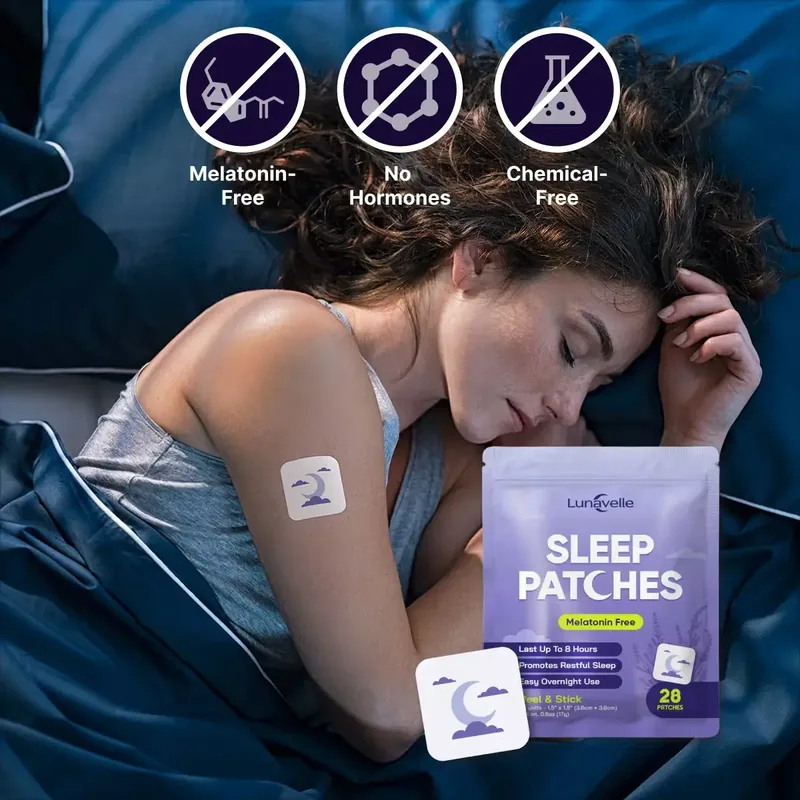
Lunavelle Sleep Patches
Peel-and-stick nightly patches with 11 botanicals — magnesium glycinate, L-theanine, valerian and more — for people avoiding melatonin.
🇺🇸 🇨🇦 🇩🇪
Read review →
Wellness gadgets trend fast and over-promise often, so this is the department where we hedge hardest. Every product below is covered with its maker's claims clearly labeled as claims, a plain-language look at the mechanism, and honest notes on who should skip it. Nothing here is medical advice; it is buying research.
Peel-and-stick nightly patches with 11 botanicals — magnesium glycinate, L-theanine, valerian and more — for people avoiding melatonin.
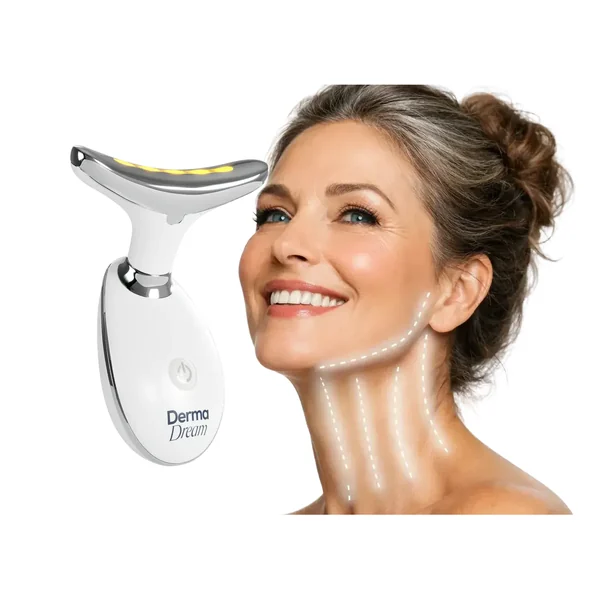
A handheld My Derma Dream wand combining LED light, electroporation, thermal warmth and sonic massage — sold on the current official page as an arm sculpting device, in 5–10 minute daily sessions.
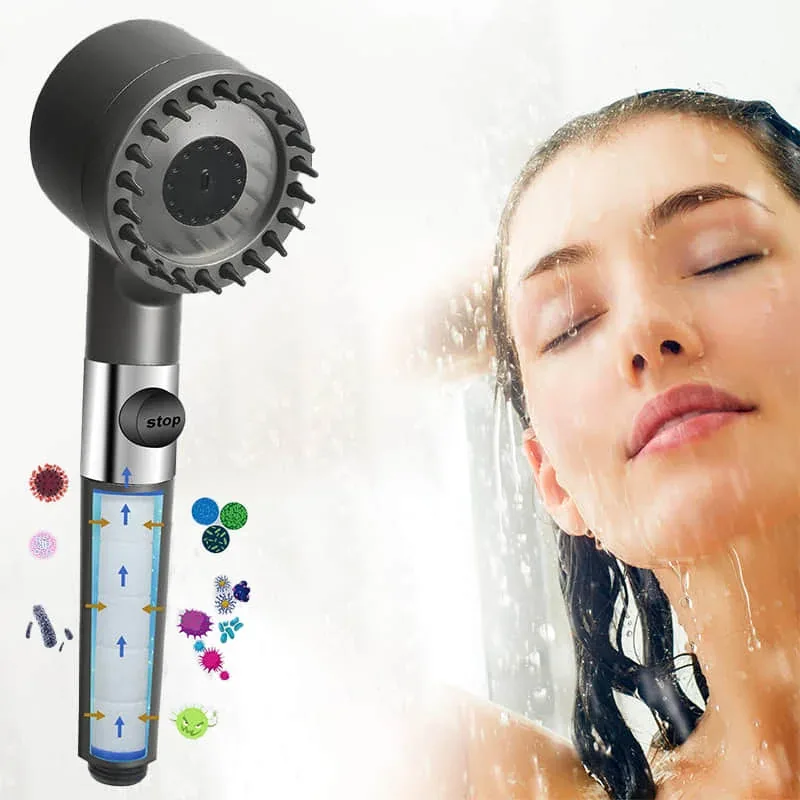
A filtered, pressure-boosting shower head that claims to strip chlorine and impurities from shower water — TikTok's favorite skin-and-hair upgrade.
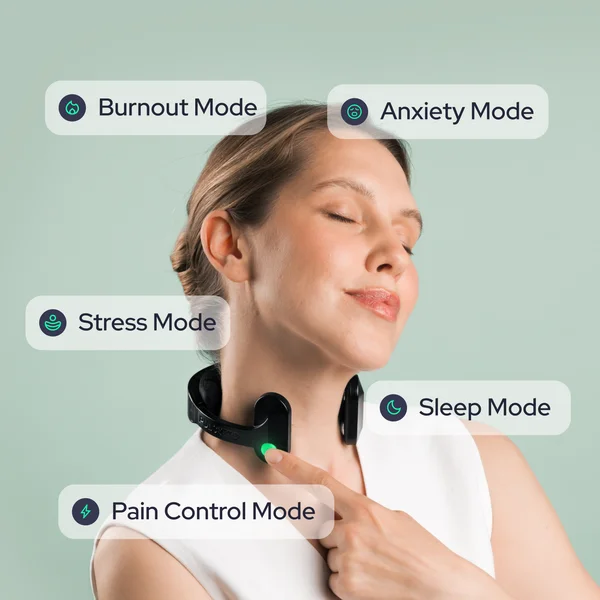
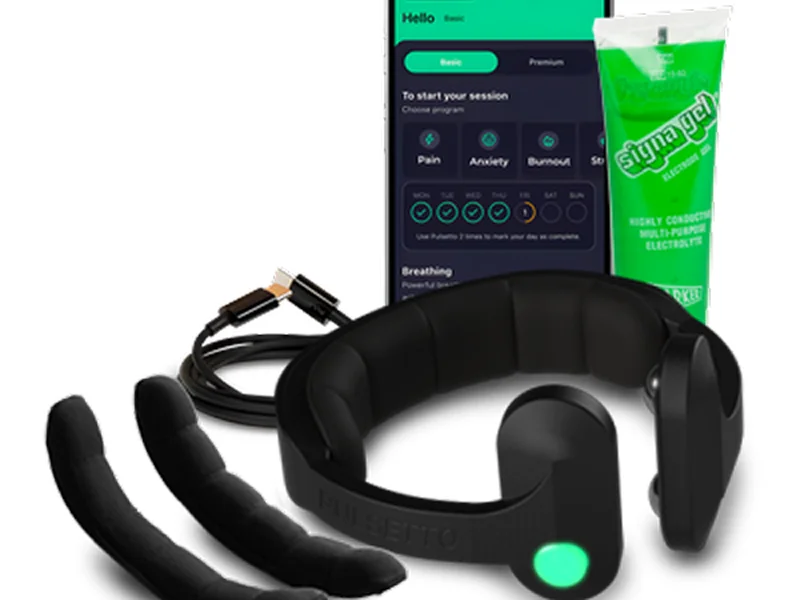
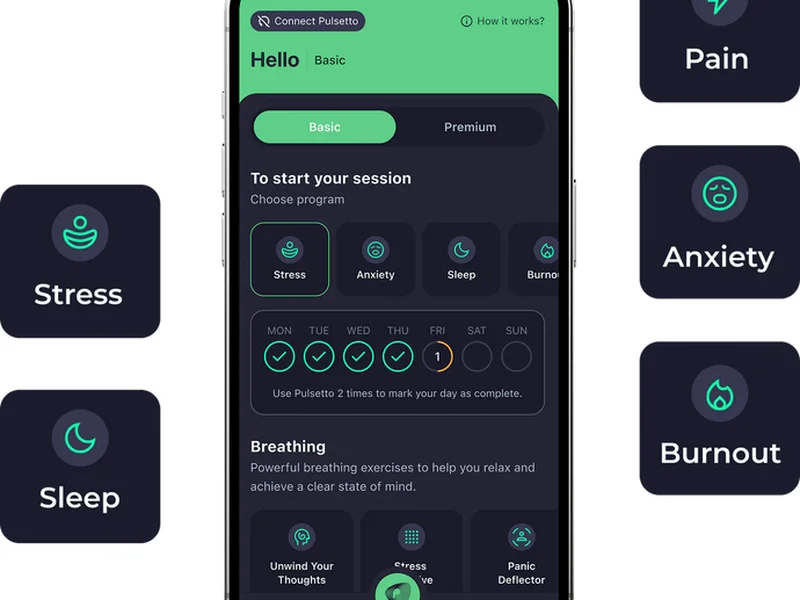
A neck-worn vagus nerve stimulation wearable with 4-minute sessions and an app offering five programs — stress, anxiety, sleep, burnout and pain.
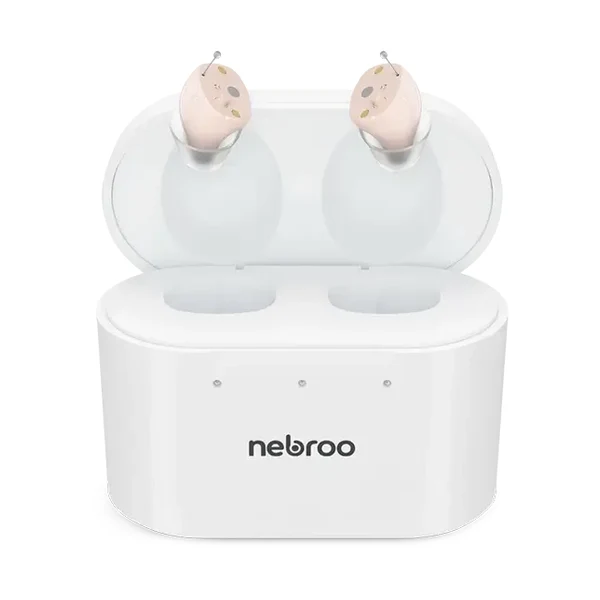
A $99 pair of completely-in-canal hearing aids sold over the counter — no appointment, no prescription — with a 120-day money-back guarantee.
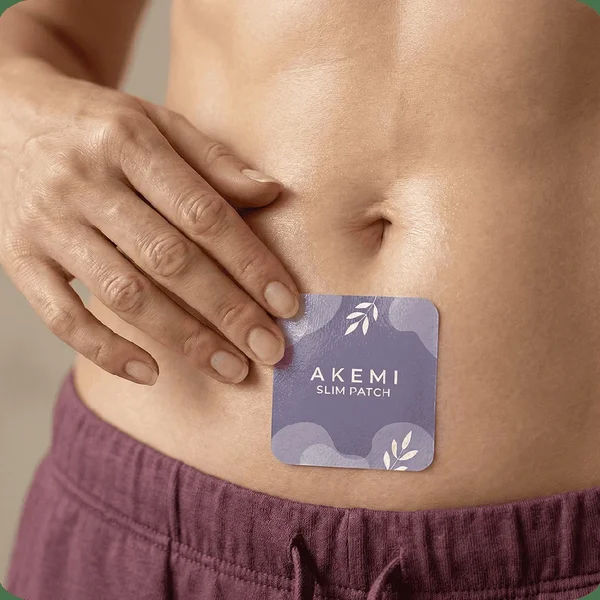
A peel-and-stick patch worn up to 24 hours on belly, arm or thigh, marketed for craving control with plant-based extracts — no pills, per the maker.
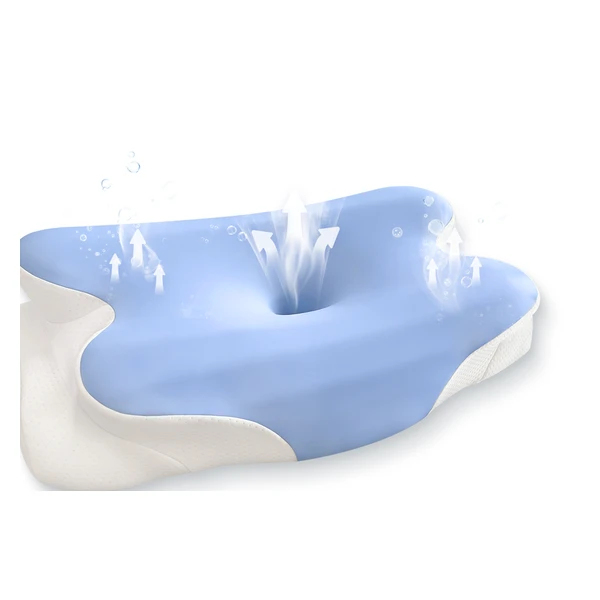
A butterfly-shaped memory foam pillow with arm cutouts and a contoured neck cradle, sold on the promise of stopping snoring by improving sleeping posture.
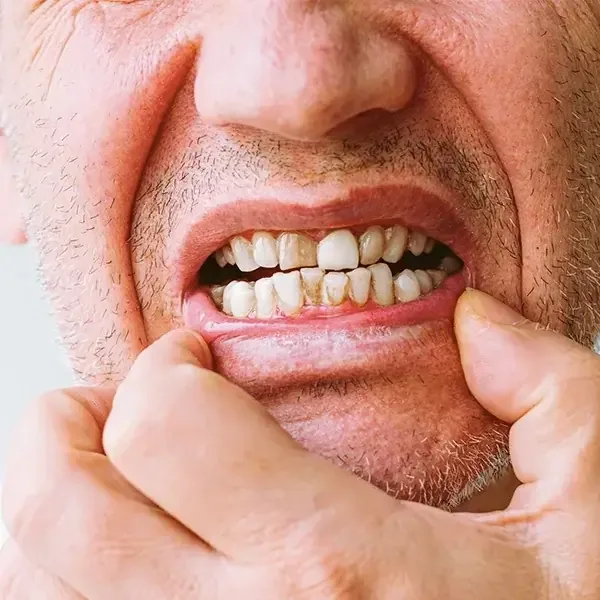
A $79 hands-free mouthpiece combining red (620nm), blue (460nm) and near-infrared (850nm) light for a 6-minute daily gum-care session.
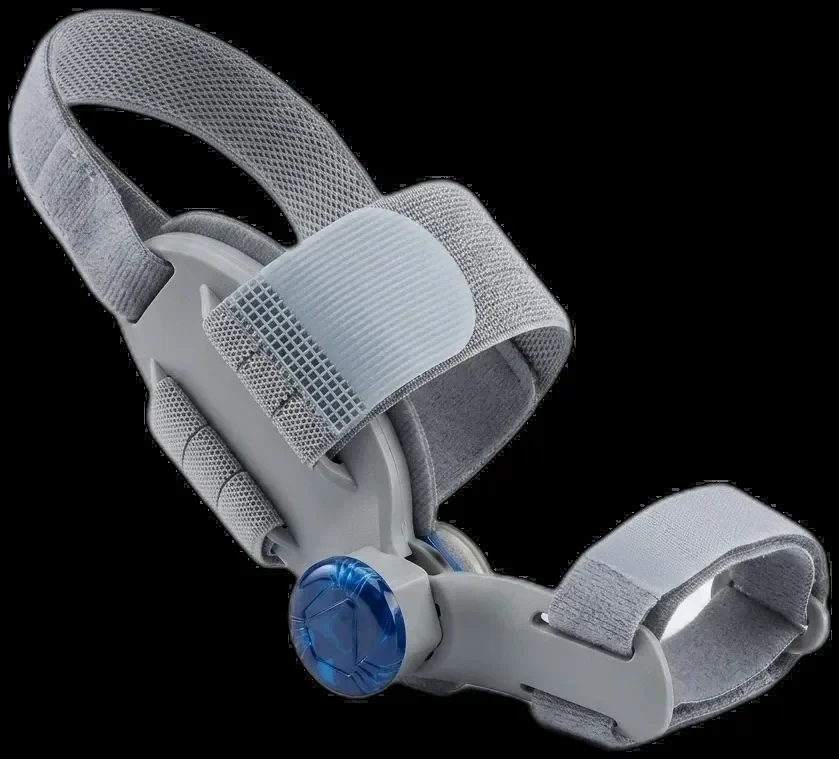
A hinged night splint with an adjustable tension dial, sold as a way to realign a bunion at home — a category where relief is well supported and permanent correction is not.
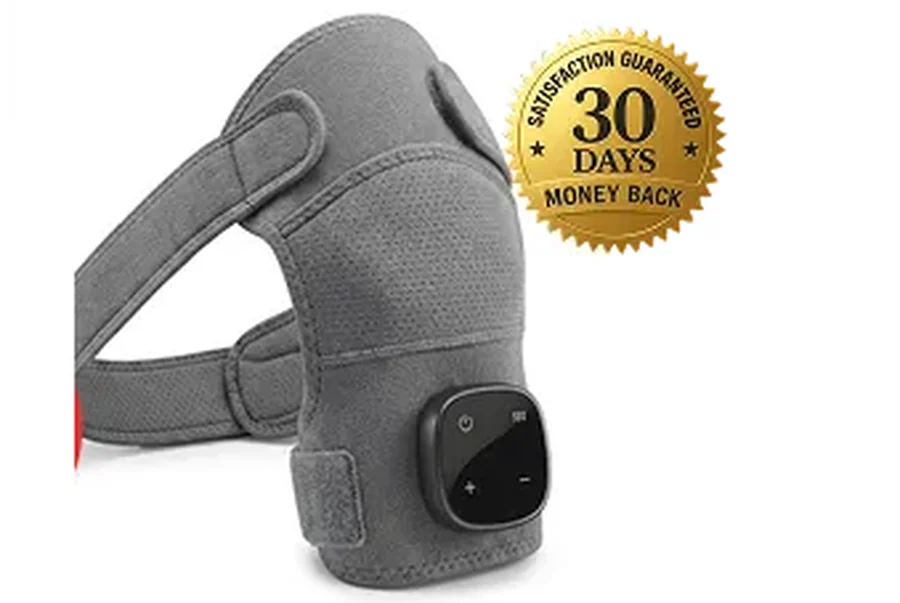
A strap-on shoulder wrap combining heat, compression and vibration, sold in Australia through an advertorial that frames it as an alternative to surgery.
Three ways to treat hard or chlorinated water, at wildly different prices. Which one fixes your skin, which fixes your kettle, and which fixes nothing.
Three products that make things louder, and only two of them are hearing aids. What separates them, who each one is for, and the test that comes first.
Melatonin signals timing. Patches deliver botanicals through skin. Neither treats what keeps most people awake — how to tell which is your problem.
Two products and one behaviour, compared on the only measure that matters — what the evidence supports, and what the checkout signs you up for.
A hinged bunion splint with a tension dial, sold as at-home realignment. What the evidence supports, and what «one week» cannot mean.
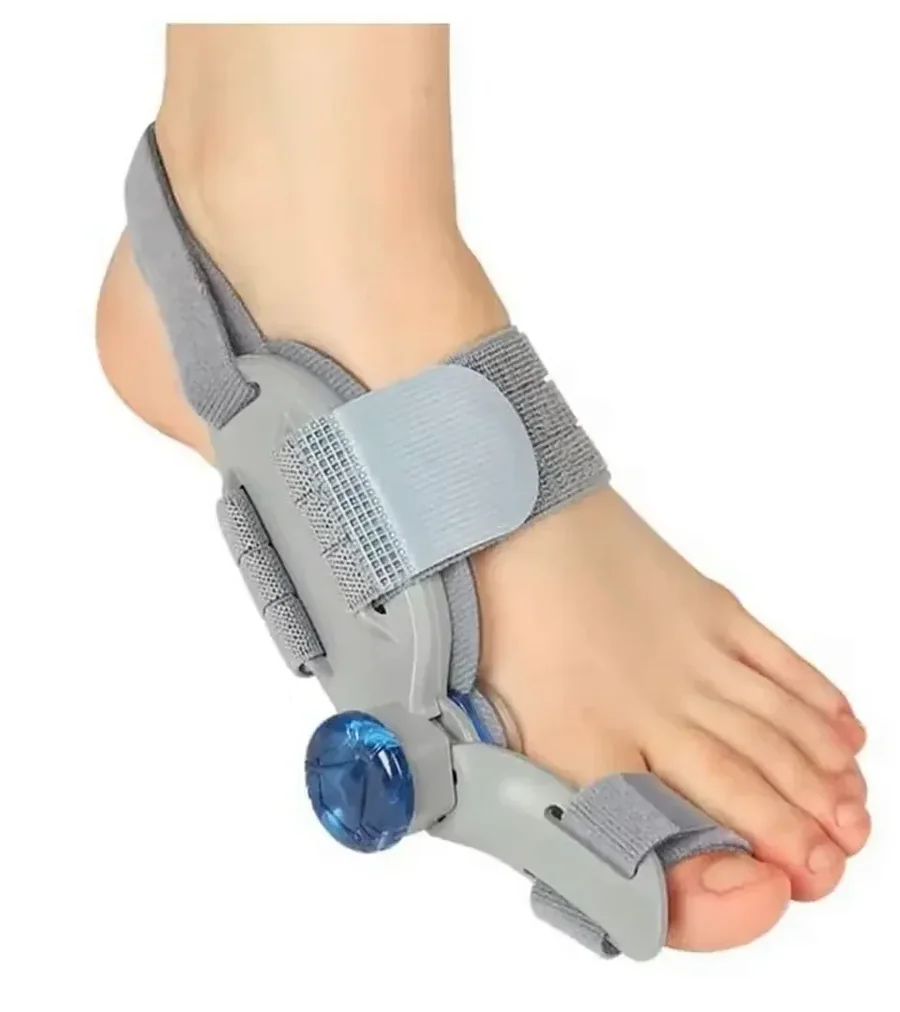
Splints, spacers, sleeves and pads do different jobs. How to pick by symptom, what the evidence supports, and the claims that should make you close the tab.
Hallux valgus is a shift in the bones of the big-toe joint, not a growth. Why it progresses, and what a strap can and cannot change.

Non-surgical bunion devices are the fastest-growing foot-care category in US e-commerce, sold almost entirely through advertorials. How to read one.
Three ways to deal with a bunion at home, compared by hours of effect, cost and what each can change. The cheapest one wins more often than sellers admit.
Heat, compression and vibration in a strap-on wrap, from A$54.44. The mechanisms are real; the page that sells them is not a news article. What to check first.

Heat, compression, vibration and percussion do different jobs. How to match the format to your shoulder — and the specs sellers in this category keep quiet.
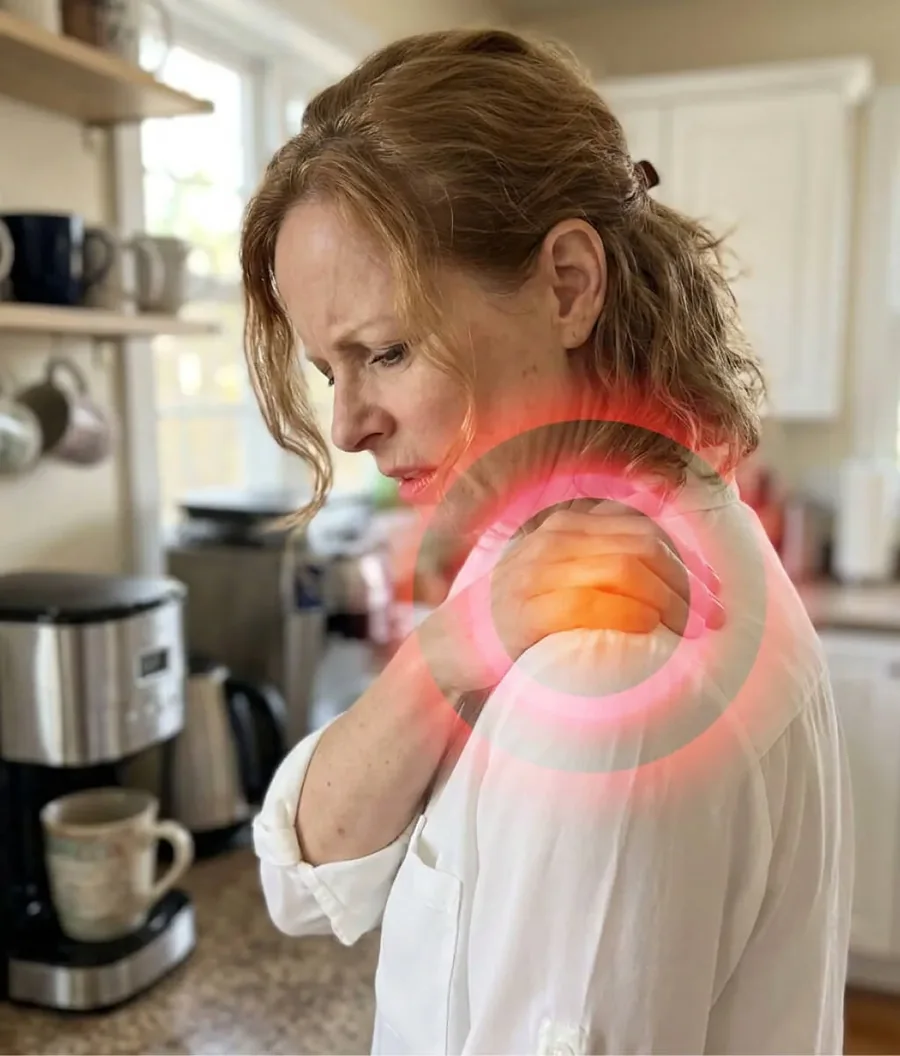
Three mechanisms behind almost every wearable pain device — what each one does in the tissue, why relief is temporary, and where the marketing overreaches.
Long-form advertorials are now the main channel for wearable pain relief. How the format works, and the four checks to run before believing one.
Three ways to treat a sore shoulder at home, compared by what they reach, what they cost and who they suit. A clear answer for each type of pain.
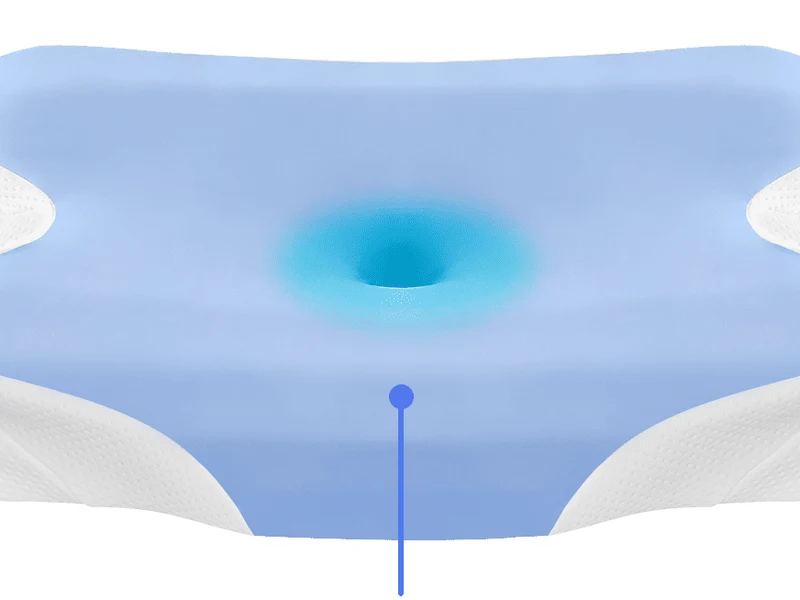
Melara Max promises to end snoring through posture. What a contoured pillow can realistically do, the sleep-apnea signs it can't fix, and the price facts.

Which anti-snoring pillow features have real reasoning behind them, which claims are red flags, and the sleep-apnea signs that mean skip the pillow entirely.

Why snoring happens, how head position changes the airway, what a contoured pillow can genuinely alter, and the hard line between snoring and sleep apnea.
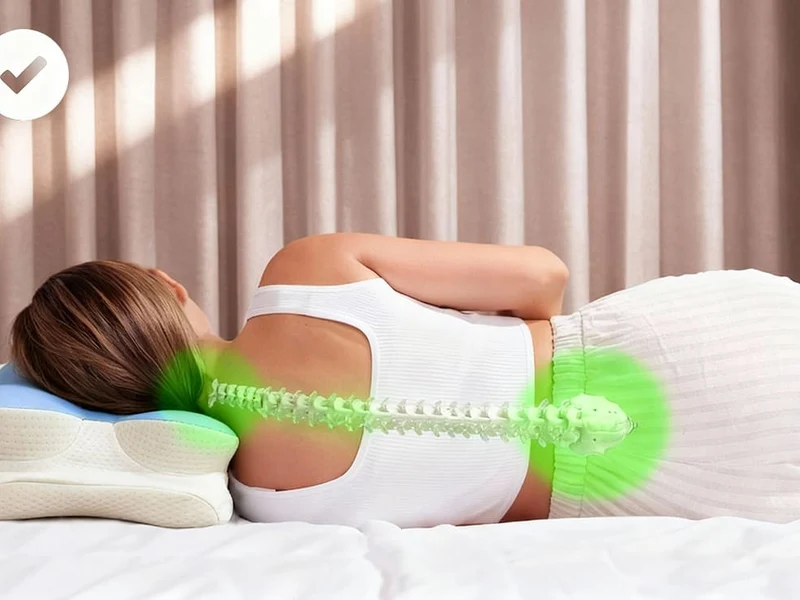
Sleep products moved from measuring problems to promising solutions in 2026. What's driving the shift, and how to read anti-snoring claims critically.
Contoured, wedge and cervical pillows target snoring differently. How each shape works, who it suits, its honest limits, and where Melara Max fits.
Nebroo sells CIC hearing aids at $99 with no appointment. The OTC rules that apply, who they legitimately serve, the red flags, and the 120-day guarantee.

Who OTC hearing aids are for, the FDA red flags that mean see a doctor first, hearing aid vs amplifier, the specs that matter and the return terms to demand.

Hearing loss isn't a volume problem. How hearing aids process sound by frequency, what noise reduction really does, and where self-fitting hits its limits.
Four years after the FDA opened OTC hearing aids, prices collapsed from thousands to under $100. What that changed, what it didn't, and how to buy into it.

Pulsetto is a neck-worn vagus nerve stimulator promising calm in 4 minutes across five app programs. What the science supports, the limits, and the fine print.
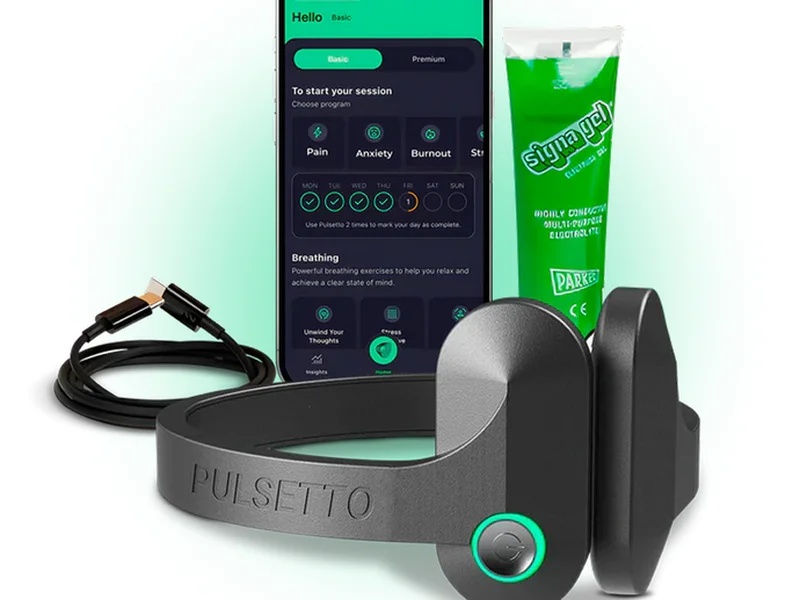
Vagus nerve devices promise calm at the push of a button. How to tell a serious product from a placebo gadget, the safety checks that come first, and what to ignore.
The vagus nerve is the body's relaxation switch, and stimulating it is the idea behind 2026's calm-tech devices. What science supports and what's emerging.
Vagus nerve stimulators jumped from clinic to consumer shelf this year. The forces driving the calm-tech trend, what's real, and the caution alongside.
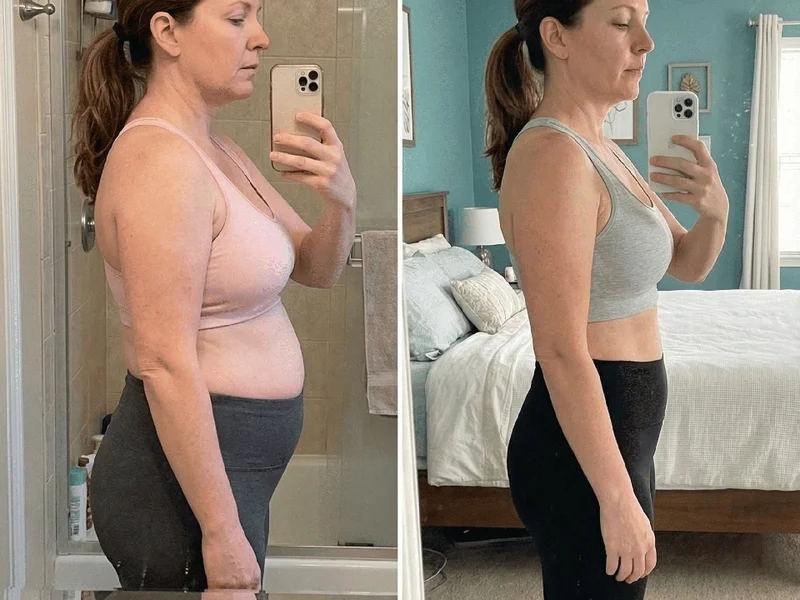
Akemi Slim Patch markets 24-hour craving control from a stick-on patch. We weigh the transdermal claims against the evidence and the FDA disclaimer.
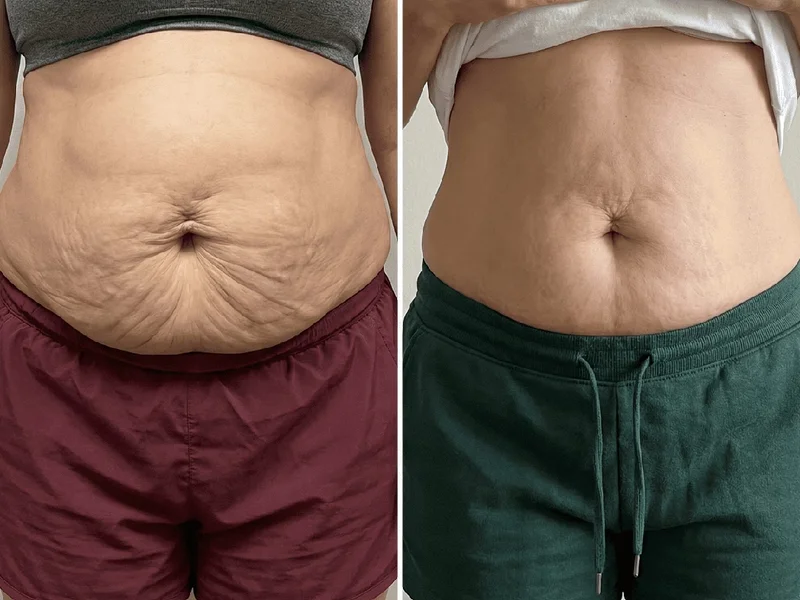
Slim patches promise effortless craving control. How to read the claims, the red flags that should halt a purchase, the safety checks, and why the guarantee matters.
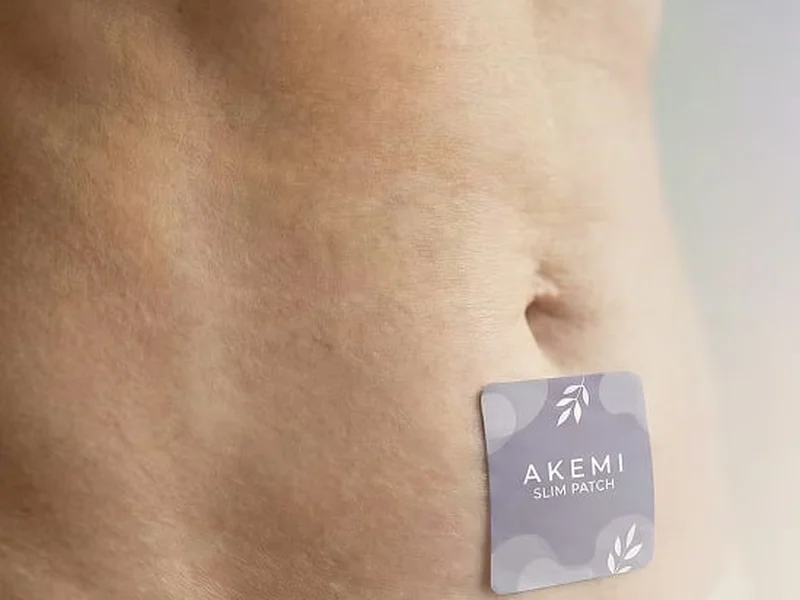
Slim patches claim to curb appetite through the skin. What transdermal delivery genuinely does, why 'natural extract' patches face a hard evidence problem.

Weight-loss patches are surging across US social commerce again. The forces driving the slim-patch wave, why the format keeps returning, and a skeptic's reading.
Melatonin or melatonin-free, how to read the ingredient label, patch vs pills, interaction checks and price traps — the complete 2026 buying guide to sleep patches.
Why people quit melatonin, and what the alternatives really offer — botanicals like valerian and chamomile, magnesium, behavioral fixes, and new delivery formats.
Photobiomodulation is moving from dental clinics to home devices. What red and blue light plausibly do for gum health, what's proven, and what's still early.
Lunavelle sleep patches pack 11 botanicals and zero melatonin. Our review covers the ingredients, how the patch format works and who should be cautious.
Glokore OralCare Plus is a $79 mouthpiece using red, blue and near-infrared light for gum care. Our review explains each wavelength claim and who should skip it.