
US cooling breakout
AerioQ
A slim wall-mounted air conditioner with a smart remote and touch display, marketed for fast room cooling without drilling, hoses or an outdoor unit.
Smart home used to mean speakers and bulbs; in 2026 the growth is in safety and air — detectors, monitors and sensors that people buy after a scare or a news story. Every device we cover here gets the same treatment: what it monitors, what it costs to run, and where certified alternatives fit in.
A slim wall-mounted air conditioner with a smart remote and touch display, marketed for fast room cooling without drilling, hoses or an outdoor unit.
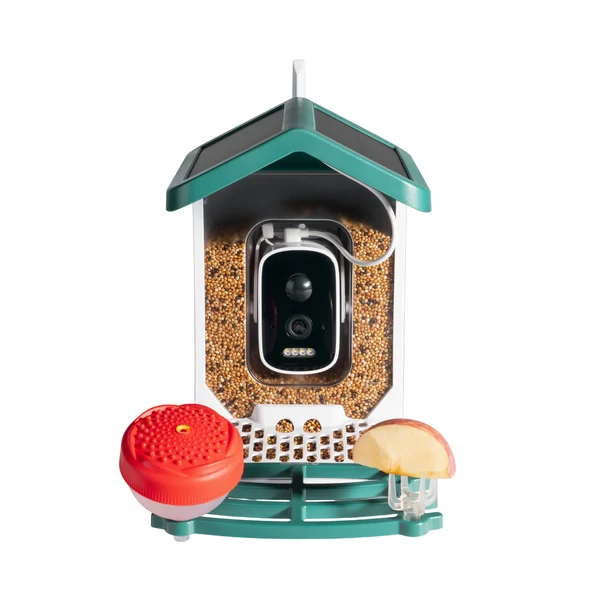
A solar-powered bird feeder with a 5MP camera and on-board AI that identifies visiting species and pings your phone — no subscription required.
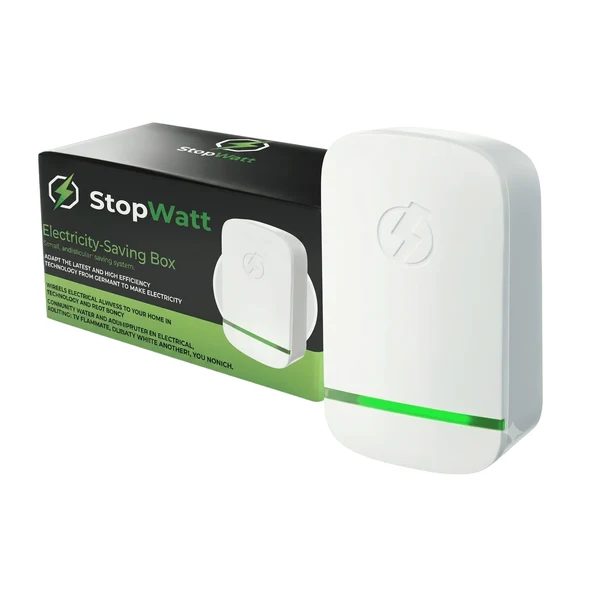
A $44 plug-in device marketed to stabilize household current and reduce wasted electricity — a claims-heavy category we cover with full skepticism.
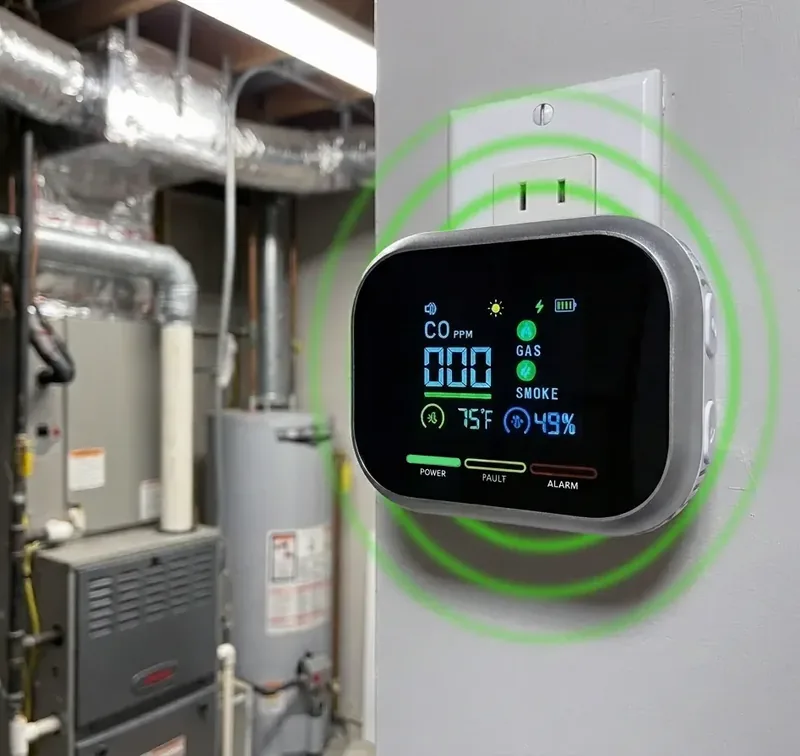
A wall-outlet detector with a live digital display that monitors carbon monoxide, natural gas and propane — with battery backup and self-testing.
Three mounting formats, three failure modes, and one question that matters more than all of them: is the device certified to a recognised standard?
Three approaches to a high electricity bill. One is measurement, one is behaviour, and one has physics working against it. Which is which.
One specification separates a life-safety device from a gadget with a display. Plus where to mount, what expires, and why the test button lies.
Smoke and CO detectors now sell through the same direct-response funnels as kitchen gadgets — and the standards that define them are dropping off the page.
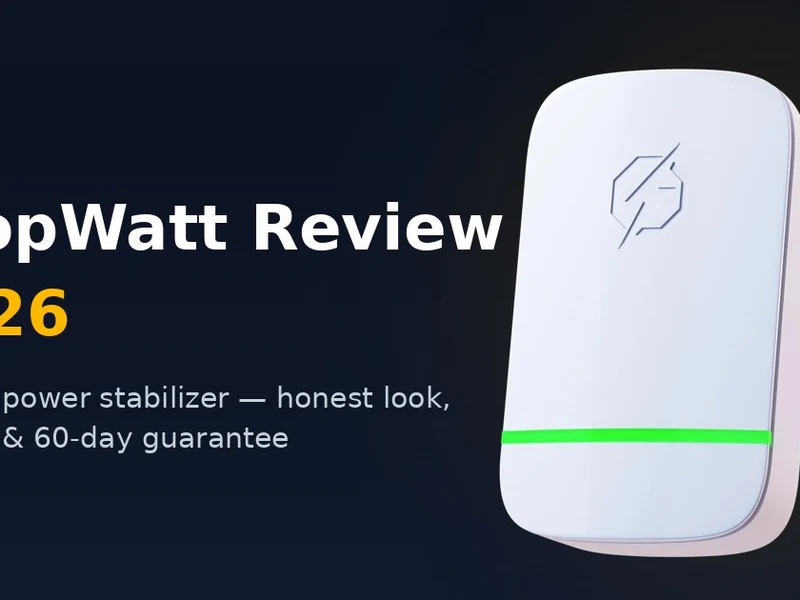
StopWatt is a $44 plug-in marketed to cut wasted electricity. The physics of what it can and can't do, the claims to treat as claims, and the 60-day safety net.
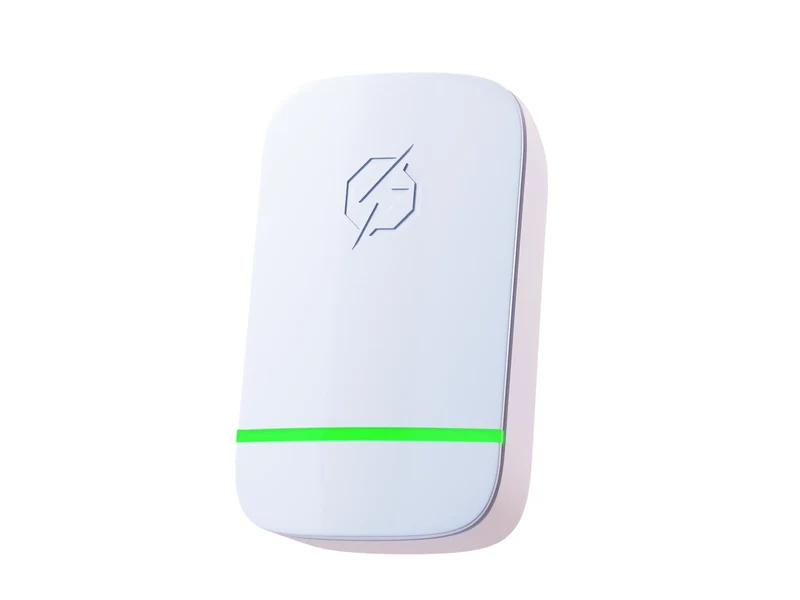
Plug-in 'electricity savers' are booming again. How household billing really works, the claims to distrust, and the one test that settles it at home.
Plug-in 'electricity savers' promise smaller bills from one outlet. How home billing works, what power factor really is, and why skepticism is the default.
Plug-in 'electricity savers' are surging across US e-commerce as power bills climb. The forces behind the wave, and the skeptic's rules for shopping it.
CO detector placement, room by room: which floors need one, height on the wall, distances from appliances, and the spots that cause false alarms or missed ones.
CarbonOne Safe monitors carbon monoxide, natural gas and propane from a wall socket, with live readings and battery backup. Our review — with the safety caveats.