Shower Filter vs Whole-House Filter vs Water Softener: Which One Your Water Needs
A shower filter, a whole-house filter and a water softener get recommended for the same complaints and solve different problems. Chlorine, hardness and sediment are three separate issues, and buying the wrong device for yours is the most common mistake in home water treatment.
Published · Facts checked against the official product page
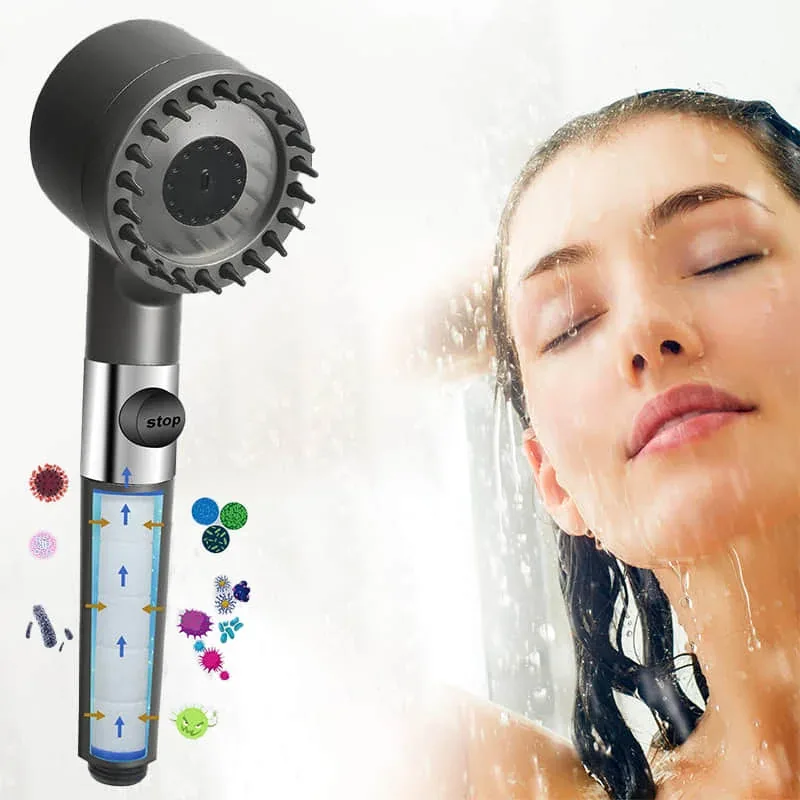
Key takeaways
- Chlorine and hardness are different problems. Carbon and KDF media reduce chlorine; only ion exchange reduces hardness. A device that does one will not do the other, however it is marketed.
- If the complaint is skin and hair, the shower is where the exposure happens and a shower filter is the proportionate fix — the cheapest of the three by an order of magnitude.
- If the complaint is limescale on kettles, taps and the shower screen, no shower filter helps. That is hardness, and it needs a softener at the mains.
- A whole-house filter is the right answer for sediment, taste and smell throughout the property — and the wrong answer for hardness, which it does not address.
Three products get recommended for the same sentence — «my water is bad» — and they treat three different things. Getting this right before you buy is the difference between a fix and a cartridge subscription for a problem you never had.
Round 1: what each one actually removes
A shower filter uses activated carbon and often KDF media. Those reduce chlorine and some other impurities. That is real chemistry with a real effect, and it is the whole of what they do.
A whole-house filter sits at the mains and typically targets sediment, taste and smell, at every outlet in the property. Bigger cartridges, longer intervals, plumbing involved.
A water softener uses ion exchange to remove calcium and magnesium — hardness. It is the only one of the three that touches limescale, and none of the other two does, whatever the packaging suggests.
Round 2: match it to the symptom
Dry, tight skin after showering. Colour-treated hair fading fast. A chemical smell in the bathroom. That is chlorine, the exposure happens in the shower, and a shower filter is the proportionate answer — see our IonDrops review for a current example, including the auto-refill toggle worth switching off.
White chalky deposit on the kettle, the taps and the shower screen that returns after cleaning. That is hardness. No shower filter will help. This is a softener at the mains, and there is no cheap version.
Cloudy water, grit in the aerators, an off taste at every tap. Sediment, and a whole-house filter is the format that matches.
Round 3: cost, and where it hides
A shower filter is the cheapest by an order of magnitude — but the head is not the cost, the cartridges are. Ask for the lifespan in litres or months before ordering; a page that won't publish it is asking you to sign up for an unknown annual figure.
A softener is a real purchase plus installation plus salt, forever. A whole-house filter sits between them, with cartridge intervals long enough that people forget and run them past useful life.
Round 4: how each disappoints
The shower filter disappoints when it was bought for scale. The whole-house filter disappoints when it was bought for hardness. The softener disappoints nobody on performance and plenty of people on price — and it makes water feel slippery, which some people dislike and nobody warns them about.
The answer, by problem
Buy the shower filter
- Skin or hair reacting to chlorinated water
- You rent, or can't touch the plumbing
- You want to test whether treated water changes anything for you
- Budget is the constraint
Buy something else
- Limescale on kettle and taps → softener, at the mains
- Grit, cloudiness or taste at every tap → whole-house filter
- Concerns about drinking-water safety → your utility's report first, not a device
- Nothing visible and no symptom → genuinely, nothing
The verdict on IonDrops
Diagnose before you buy, because the three devices are not substitutes and the cheapest one only works on one of the three problems. If your skin is the complaint, the shower filter is proportionate, testable and cheap. If your kettle is the complaint, no shower device is going to help and you should stop reading about them. The shower filter buying guide goes deeper on cartridge life, which is the number that turns a cheap purchase into an annual one.
Frequently asked questions
How do I know if my water is hard or just chlorinated?
Look at your kettle and your shower screen. White chalky deposit that returns after cleaning is hardness — dissolved calcium and magnesium. A chemical smell at the tap, dry skin after showering and colour-treated hair fading fast point at chlorine instead. Most utilities publish a hardness figure for your postcode, and it costs nothing to look up.
Will a shower filter stop limescale in my bathroom?
No. Limescale is mineral, and carbon or KDF media do not remove minerals — they reduce chlorine and some other impurities. If the scale is your problem, a shower filter will disappoint you, and it will do so after you have already bought cartridges for it.
Is a whole-house filter worth it?
It depends what you are treating. For sediment, taste and smell across every tap, it is the format that matches the problem. For hardness it does nothing unless it is specifically a softener. It is also the most disruptive to install, and the only one of the three that usually needs a plumber.
What is the cheapest thing that actually works?
For chlorine-sensitive skin, a shower filter, by a wide margin. For hardness, nothing cheap works — softeners are a real purchase and a real installation. Anyone selling you hardness treatment for the price of a shower head is selling you something else.
Related reading
More comparisons →
OTC Hearing Aid vs Prescription vs Sound Amplifier: The Difference Is Not Price
Three products that make things louder, and only two of them are hearing aids. What separates them, who each one is for, and the test that comes first.
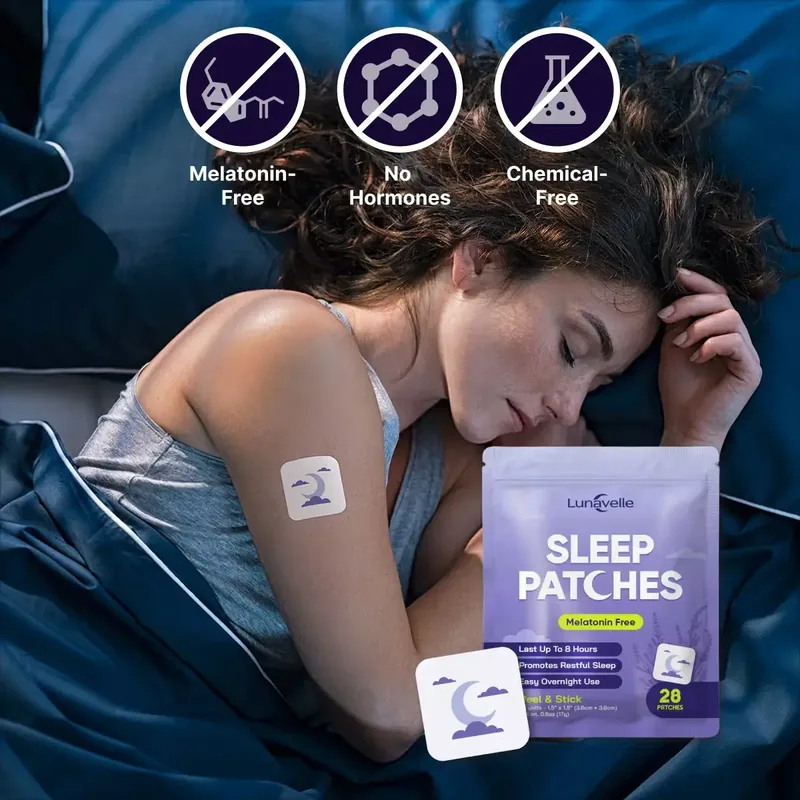
Sleep Patch vs Melatonin vs Fixing Your Evenings: What Each One Can Do
Melatonin signals timing. Patches deliver botanicals through skin. Neither treats what keeps most people awake — how to tell which is your problem.
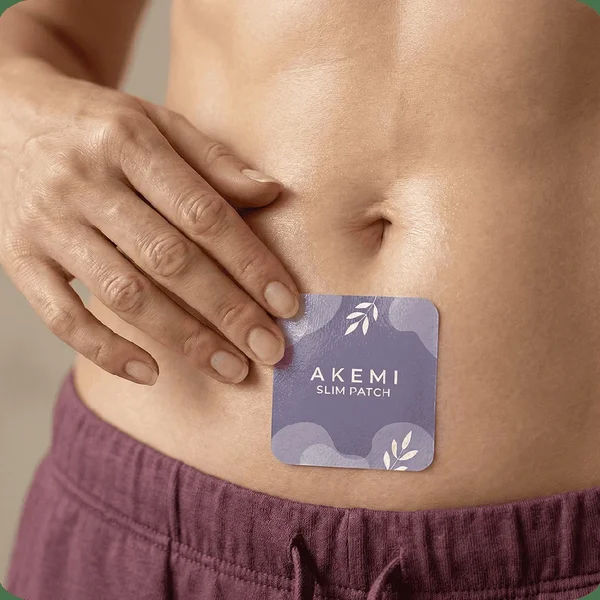
Appetite Patch vs Capsule vs Changing One Habit: An Honest Comparison
Two products and one behaviour, compared on the only measure that matters — what the evidence supports, and what the checkout signs you up for.