Scratch Cloth vs Machine Polisher vs Body Shop: Match the Fix to the Depth
A scratch cloth, a machine polisher and a body shop repair three different depths of paint damage. A single test — drag a fingernail across the scratch — tells you which one applies, and it is the most useful thirty seconds in car care.
Published · Facts checked against the official product page
Key takeaways
- The fingernail test settles it. If your nail catches in the groove, the damage is past the clear coat and no abrasive product can restore what is not there.
- All three methods work the same way — removing a thin layer of clear coat until the scratch edges stop scattering light. They differ in how much they remove and how fast.
- Clear coat is finite. A panel can be corrected a limited number of times over its life, which is the argument for the gentlest method that solves your specific mark.
- A body shop is the only option that adds material back, which is why it is the only answer for damage through to primer or metal.
Three approaches to the same mark on your paint, at three prices separated by a factor of a hundred. Which one applies is not a judgement call — it is a physical fact about how deep the damage goes, and one test tells you.
Round 1: the test that decides everything
Drag a fingernail slowly across the scratch, perpendicular to it.
If the nail glides over and the mark only shows at certain angles, the damage sits inside the clear coat. Correctable at home.
If the nail catches, the groove has reached the colour layer or the primer. No cloth, compound or polisher can restore material that is not there — this is a body shop job, and everything else you buy will be money spent on discovering that.
Round 2: what each method does
All three of the at-home options do the same thing: remove a microscopically thin layer of clear coat around the scratch until the edges stop scattering light and your eye stops registering a line. Nothing is filled.
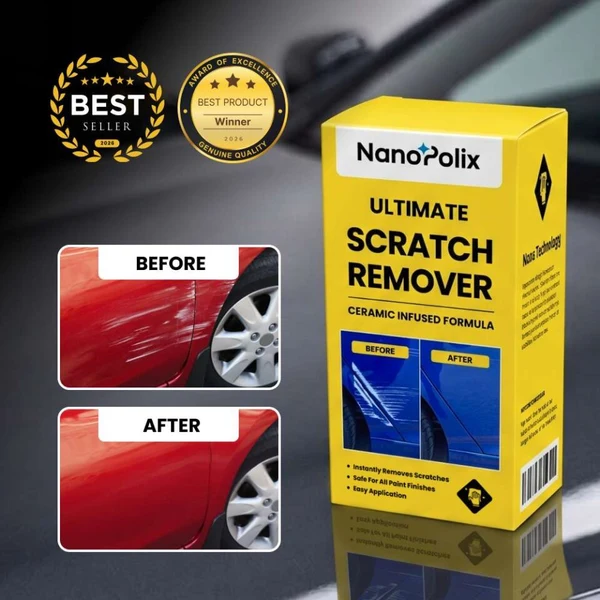
A scratch cloth carries a fine abrasive and works by hand, in small circles. Gentle, slow, and suited to isolated marks — our NanoPolix review covers a current example.
A machine polisher with compound does the same thing faster and far more evenly across a large area. It is also the only one that can do real damage in careless hands.
A body shop is the only option that adds material — filler, colour, fresh clear coat — which is why it is the only answer once the nail catches.
Round 3: the budget nobody counts
Clear coat is a few tenths of a millimetre and it does not grow back. Every correction spends some of it, and a panel has a finite number of corrections in its life before the coat is too thin to protect the colour underneath.
That reframes the choice. The cheapest method that solves your specific mark is also the one that preserves the most panel — which is an argument for the cloth on isolated scratches even if you own a polisher.
Round 4: how each goes wrong
The cloth goes wrong through optimism: used on damage the nail catches in, it does nothing, and people conclude the product is fake rather than that the diagnosis was.
The polisher goes wrong through heat and pressure. A rotary in inexperienced hands burns through an edge in seconds; a dual-action is far more forgiving and is what most people should own.
The body shop goes wrong on colour match, particularly on metallics and on paint that has aged in sunlight for a decade.
The answer, by depth
Cloth, by hand
- Nail glides over the mark
- One or two isolated scuffs
- Swirls in a small area, like a door handle surround
- Water spots or light oxidation
Polisher — or the shop
- Swirls across whole panels → dual-action polisher
- Faded, chalky paint over a large area → polisher
- Nail catches in the groove → body shop
- Primer or bare metal visible → body shop, promptly, before it rusts
The verdict on NanoPolix
Do the fingernail test before you spend anything — it is free and it answers the only question that matters. If the nail glides, start with the gentlest method that could work, wash the panel first, and stop earlier than feels satisfying. If it catches, skip the entire home-remedy aisle and get a quote. The scratch remover buying guide covers what to check before buying anything abrasive.
Frequently asked questions
What exactly is the fingernail test?
Drag a fingernail slowly across the scratch, perpendicular to it. If the nail glides over and the mark is only visible at certain angles, the damage sits inside the clear coat and is correctable at home. If the nail catches, the groove has gone through to the colour layer or primer — that needs filling and repainting, and no cloth or compound will do it.
Is a machine polisher worth buying for one car?
For one or two marks, no. For a car with swirl marks across every panel, it is the only realistic way — hand correction over a whole car is days of work and inconsistent. A dual-action polisher is also far more forgiving than a rotary, which is the one that burns through paint in inexperienced hands.
Can I make it worse?
Yes, in two ways worth knowing. Polishing over grit drags that grit across the paint and adds swirls faster than you remove them — wash and dry first, always. And every correction removes clear coat permanently, so working a mark until it is perfect can cost you more than the mark did.
How do I know when to stop?
Earlier than you want to. Step back, look at the panel in different light, and accept a mark that is 90% gone rather than chasing the last 10% through a layer you cannot replace. Professionals measure clear coat thickness with a gauge; at home, restraint is the substitute.
Related reading
More comparisons →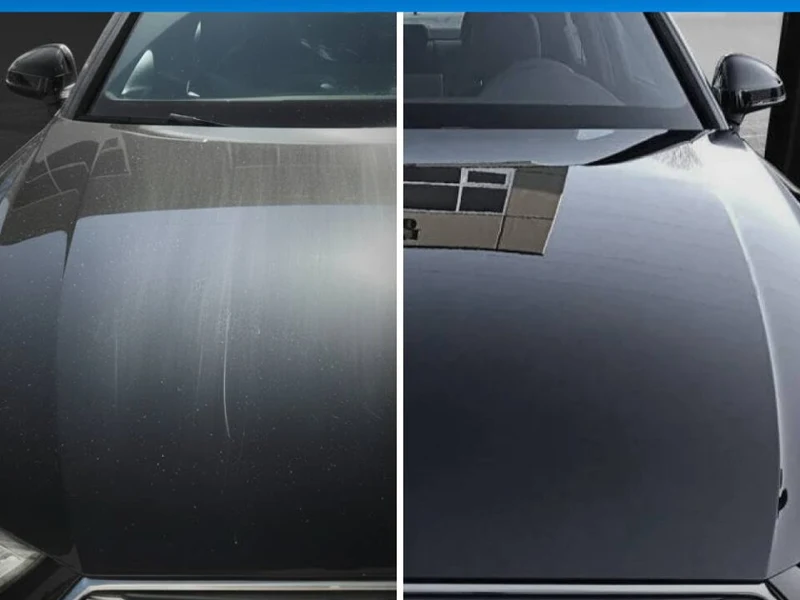
NanoPolix Review: Can a Cloth Really Erase Car Scratches in 60 Seconds?
NanoPolix promises scratch removal with one reusable cloth. The clear-coat truth, the fingernail test, what it honestly fixes, and the 30-day safety net.
Car Scratch Remover Buying Guide 2026: Cloths, Compounds and the Honest Fix
Cloths, compounds, pens, touch-up paint — which scratch fix matches which damage, the fingernail test, red flags, and when the bodyshop is the answer.
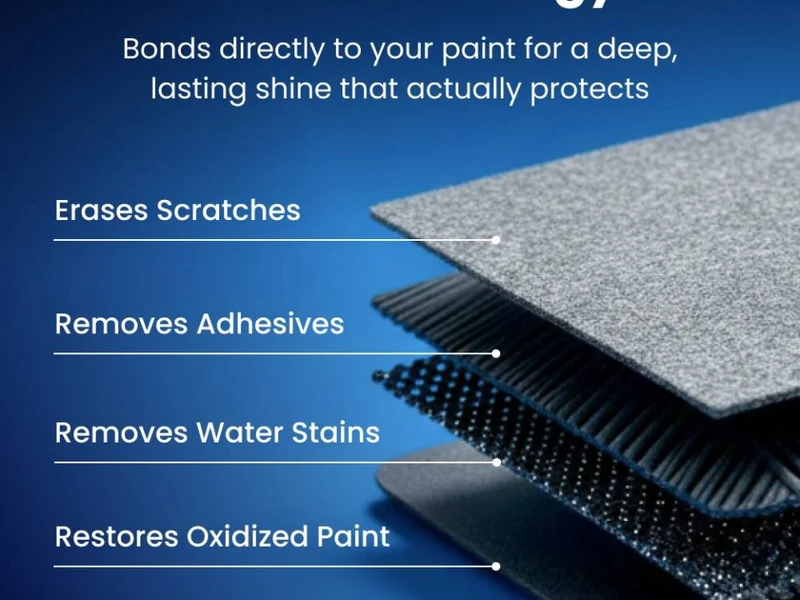
Do Scratch Remover Cloths Actually Work? The Paint Science, Explained
Nano cloths promise 60-second scratch removal. How car paint is layered, what polishing compounds really do, and the honest line the marketing blurs.