Do Scratch Remover Cloths Actually Work? The Paint Science, Explained
The scratch remover cloth is one of e-commerce's most polarizing products — miracle in one review, scam in the next. Both camps are describing real experiences on different scratches. This explainer covers the paint sandwich, what polishing compounds genuinely do to a clear coat, why the same cloth produces both five-star and one-star results, and the ten-second test that predicts which you'll get.
Published · Facts checked against the official product page
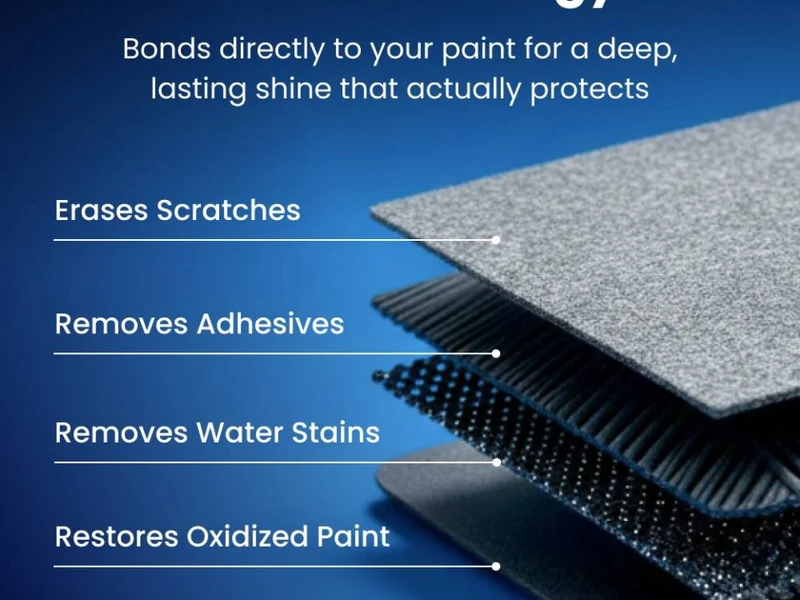
Key takeaways
- Car paint is a three-layer sandwich — primer, color coat, clear coat — and scratch remover cloths operate exclusively in the top, transparent layer. Everything about the category's mixed reviews follows from that single fact.
- Polishing compounds work two ways at once: micro-abrasion levels the clear coat's surface (softening a scratch's light-catching edges), and fine fillers occupy what remains. Real chemistry, honestly effective — within its layer.
- The same cloth produces five-star and one-star reviews because buyers apply it to different scratches: clear-coat scuffs vanish convincingly; color-coat gouges don't move. The product didn't change — the damage did.
- The fingernail test predicts your outcome before purchase: glides over = the cloth's chemistry can reach your damage; catches = the scratch lives below the cloth's reach, in a layer polishing cannot rebuild.
Few products split reviews like the scratch remover cloth: a miracle in one testimonial, a scam in the next, often on the same page. Here's the uncomfortable truth both camps are missing — they're both right, about different scratches. Ten minutes of paint science explains every mixed review in the category, and hands you the ten-second test that predicts which review you'd write.
The paint sandwich
A car's finish is three layers. Primer bonds to the metal. The color coat carries the pigment you chose. And on top sits the clear coat — a transparent, glossy, sacrificial layer of hardened resin, typically as thick as a human hair, whose entire job is absorbing the world's abuse before it reaches the color. Most everyday damage — parking scuffs, hedge brushes, swirl marks from bad washes, water spots, oxidation haze — lives entirely in this top layer. And this top layer is the only place a polishing cloth operates.
What the compounds actually do
A nano-polishing cloth — the format products like NanoPolix use — carries two mechanisms in one wipe. Micro-abrasion: ultra-fine particles level the clear coat's surface, rounding off the sharp groove edges that scatter light and make a scratch visible. Filling: fine compounds settle into the remaining groove, further flattening its optical signature. A scratch is visible mostly because its edges reflect light differently than the smooth surface around them; restore uniform reflection and the scratch stops announcing itself. On clear-coat damage this is genuine, satisfying, photographable improvement — the before/afters in this category can be entirely real.
Why the reviews split
Now the mixed-review mystery solves itself. The five-star reviewer had a clear-coat scuff — the chemistry's home turf — rubbed for a minute and watched it vanish. The one-star reviewer had a gouge through the color coat, rubbed the same honest compound over damage it cannot chemically reach, and reasonably concluded fraud. The product didn't change between reviews; the damage did. Marketing lines like «100% removes all scratches» manufacture the second reviewer at scale — which is why our coverage calibrates the claim to what the physics licenses: 100% of the damage that lives where the compound works.
The ten-second predictor
The fingernail test converts all of the above into a purchase decision: drag a nail slowly across the scratch. Glides over — the groove is shallower than your nail's edge, meaning clear-coat level, meaning the cloth's chemistry can genuinely reach it. Catches — the groove has cut below the clear coat into layers no surface product can rebuild; the honest fixes are touch-up paint or a respray. Run the test before reading any sales page and you'll know, in advance, which review you'd write — and whether the 30-day money-back window is a formality or your exit. The full tier-by-tier buying map lives in our scratch remover buying guide.
Frequently asked questions
How does a scratch remover cloth actually work?
Two mechanisms in one wipe. First, micro-abrasion: ultra-fine polishing particles level the clear coat's surface, rounding off the sharp groove edges that catch light and make a scratch visible. Second, filling: fine compounds settle into what remains of the groove, further reducing its light signature. Both act on the transparent clear coat — which is why the technique genuinely works there and only there.
Why does a scratch become invisible after polishing?
Visibility is mostly optics. A scratch shows because its sharp edges scatter light differently than the smooth surface around it. Leveling those edges and filling the groove restores uniform reflection — the scratch stops announcing itself. On shallow damage this is a genuine, lasting improvement; the compound didn't 'hide' the scratch so much as remove the optical disturbance that was the scratch.
Why do reviews for the same cloth range from miracle to scam?
Because reviewers applied it to different layers. The five-star reviewer polished a clear-coat scuff — the chemistry's home turf — and watched it vanish. The one-star reviewer rubbed a color-coat gouge that no surface compound can rebuild, and concluded fraud. Same cloth, same honest chemistry, different damage. The fingernail test sorts buyers into the right expectation before the review gets written.
Can polishing damage my car's paint?
Used as directed — light-to-firm pressure, small circles, localized area — consumer-grade compounds are engineered to be far gentler than machine polishing. The sensible protocol still applies: test on a low-visibility spot first, don't dry-scrub a dirty panel (grit under a cloth is sandpaper), and stop if haze appears. The clear coat is durable, but it's finite.
Related reading
More explainers →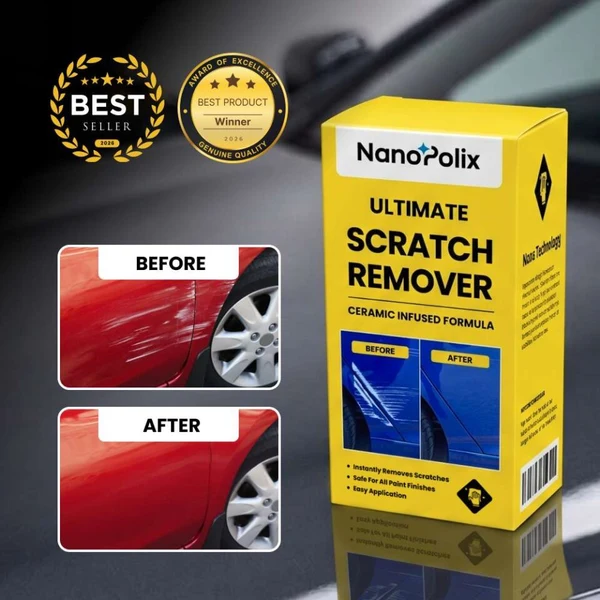
Scratch Cloth vs Machine Polisher vs Body Shop: Match the Fix to the Depth
One fingernail test decides which of the three you need. Get it wrong and you either waste money or remove clear coat you can't put back.
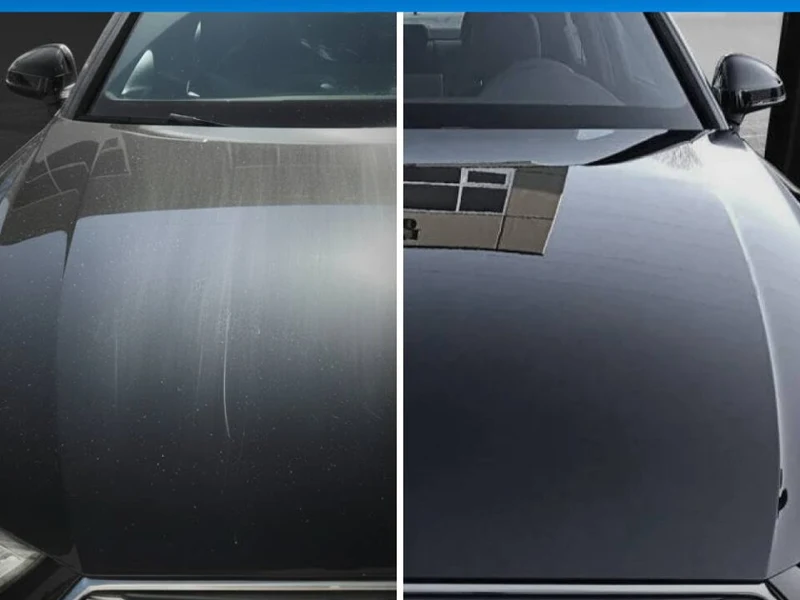
NanoPolix Review: Can a Cloth Really Erase Car Scratches in 60 Seconds?
NanoPolix promises scratch removal with one reusable cloth. The clear-coat truth, the fingernail test, what it honestly fixes, and the 30-day safety net.
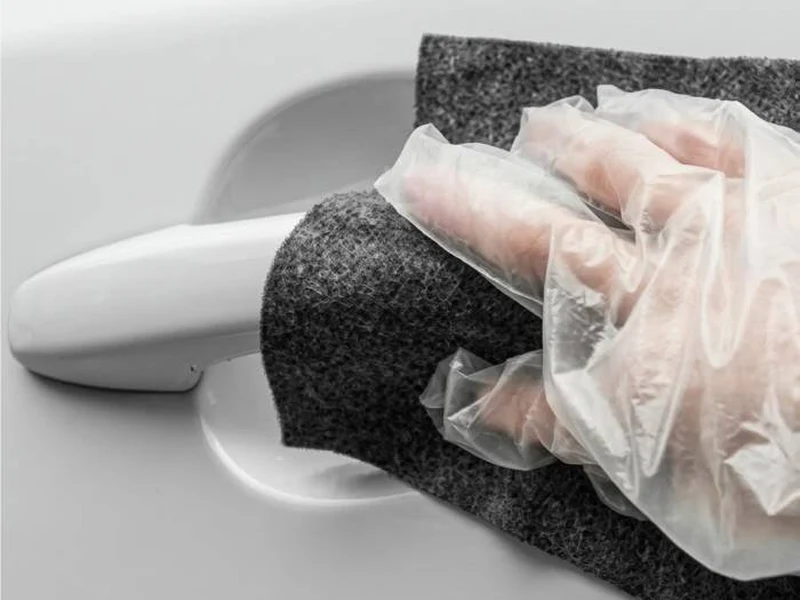
Car Scratch Remover Buying Guide 2026: Cloths, Compounds and the Honest Fix
Cloths, compounds, pens, touch-up paint — which scratch fix matches which damage, the fingernail test, red flags, and when the bodyshop is the answer.