NanoPolix Review: Can a Cloth Really Erase Car Scratches in 60 Seconds?
NanoPolix is climbing our US automotive board: a reusable nano-polishing cloth promising to erase scuffs, swirls and scratches in about a minute. Our review draws the line the marketing blurs — the difference between clear-coat damage (which polishing cloths genuinely address) and deep scratches (which nothing in cloth form can fix) — and teaches the ten-second fingernail test that tells you which one your car has before you spend a cent.
Published · Facts checked against the official product page
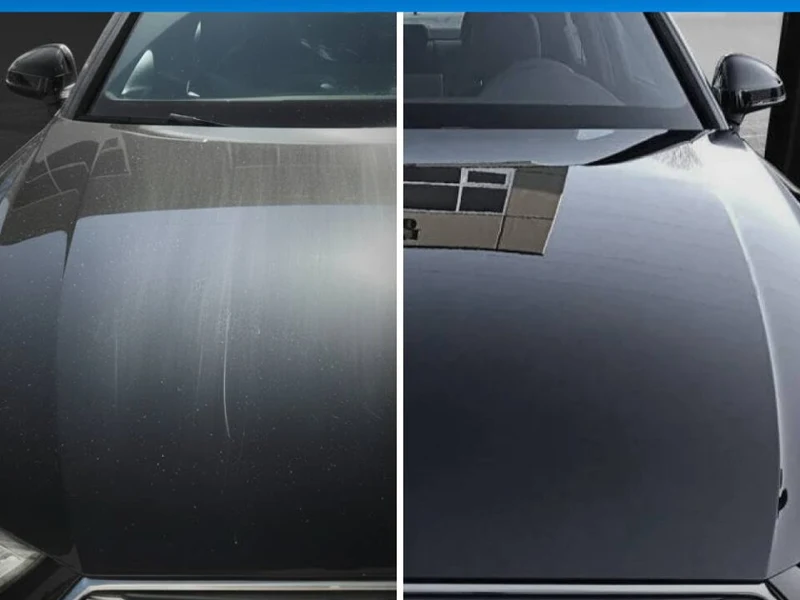
Key takeaways
- NanoPolix is a reusable cloth impregnated with nano-polishing compounds: rub firmly in small circles over the damage, and the agents level and fill clear-coat imperfections. That mechanism is real — for the right kind of damage.
- The line that decides everything: clear-coat damage (scuffs, swirls, water spots, light side-swipes, oxidation) is what polishing chemistry genuinely addresses. Scratches through the color coat or down to primer are beyond any cloth — the maker's '100% removes all scratches' needs that calibration.
- The ten-second pre-purchase test: run a fingernail across the scratch. If it glides over, the damage is clear-coat level and a polishing cloth has a real shot. If the nail catches, it's too deep — save your money for touch-up paint or a bodyshop.
- The 4.7 rating is page-published; the 65%-off price is a rotating promotion. The spec that protects you is the 30-day money-back guarantee — test it on your actual scratches the week it arrives.
Few car moments sting like discovering a fresh scratch — and few product promises land better than «erase it yourself in 60 seconds for the price of a car wash». That's the pitch powering NanoPolix, a reusable nano-polishing cloth climbing our US automotive board. This review does the one thing the sales page won't: draw the physical line between the scratches a cloth can genuinely fix and the ones nothing in cloth form ever will.
What it is, mechanically
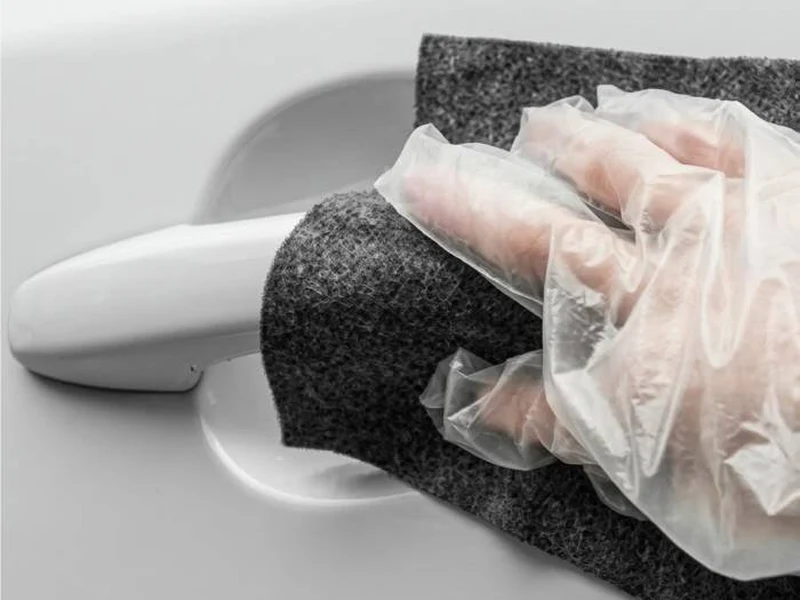
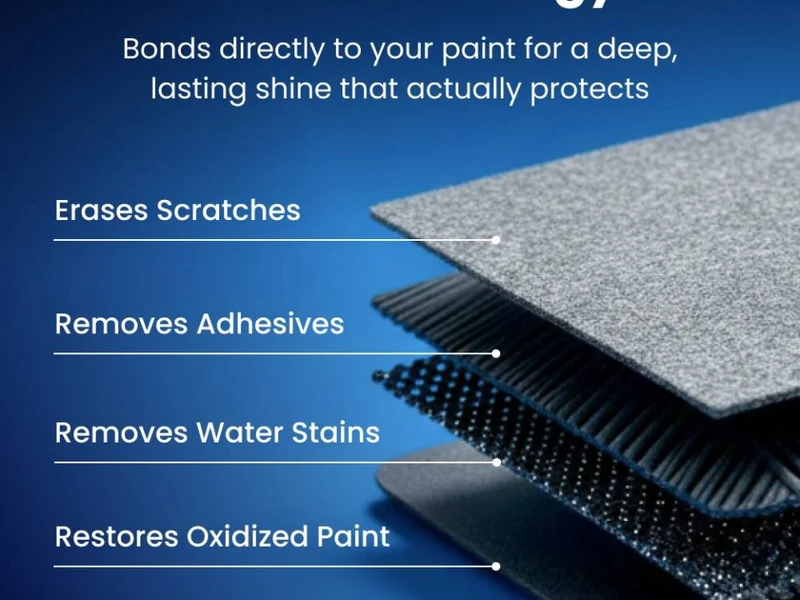
NanoPolix is a cloth impregnated with nano-polishing agents. The method on the page is the method that matters: clean the surface, rub the cloth firmly in small circles over the damage, wipe clean. The compounds work by micro-leveling the clear coat — the transparent protective layer above your car's color — smoothing its imperfections and filling fine grooves. The page's target list is honest about the category's sweet spot: door-handle scratches, branch and hedge scuffs, light side-swipe marks, swirl patterns, water spots and surface oxidation. It's declared non-abrasive, safe on all paint colors, and reusable across multiple applications.
The clear-coat line
Your car's paint is a sandwich: primer, color coat, clear coat. Polishing chemistry lives in the top layer. Damage confined to the clear coat — the whole target list above — responds genuinely to compounds like these, which is why the before/after photos in this category can be real. Damage that cuts through the clear coat into color or primer is a different problem in a different layer, and no cloth, paste or wipe can rebuild missing paint. That's the calibration the page's boldest line — «100% removes all scratches» — needs: read it as «removes clear-coat-level damage», because that's what the physics licenses.
The ten-second tool that replaces guesswork: the fingernail test. Drag a nail slowly across the scratch. Glides over? Clear-coat level — the cloth has a real shot. Catches in a groove? Too deep — save the money for touch-up paint or a bodyshop, and no cloth product from any brand deserves your hope. Our scratch remover explainer unpacks the paint sandwich in full.
Reading the offer like an adult
The page carries the category's usual furniture: a 4.7 rating from 1000+ reviews (page-published — the seller's own figure), a 65%-off limited-time price (rotating promotion; treat it as a snapshot), media logos (not independently verifiable — we don't repeat them as fact), and dealership-quote anecdotes ($280–$450 for repaint work — directionally realistic for bodyshop pricing, which is precisely why the DIY category exists). None of that is evidence; the 30-day money-back guarantee is, because it converts the purchase into a test you run on your own car. Cost-benefit honestly framed: against a $300 bodyshop quote, a cloth backed by a returns window is a rational first attempt for clear-coat damage — and a waste of a month for deep scratches the fingernail already diagnosed.
Strengths and trade-offs
What works in its favor
- Real mechanism for the right damage — clear-coat polishing is genuine chemistry, and the target list matches it.
- Reusable format — multiple applications per cloth changes the per-fix economics.
- No machine, no skill barrier — small circles and firm pressure are the whole technique.
- 30-day money-back guarantee — the honest safety net for a test-it-on-your-car purchase.
Honest limitations
- «100% removes all scratches» is over-claimed — deep scratches (fingernail catches) are beyond any cloth.
- «Permanent» results are a maker claim — polished finishes are durable but live through washes and weather like all detailing work.
- The 4.7 rating is self-published, and the 65% discount rotates.
- Test-spot discipline required — any polishing product deserves a low-visibility trial first.
The verdict on NanoPolix
NanoPolix earns a rational purchase for exactly one buyer: the owner whose fingernail glides over the scratch. For clear-coat scuffs, swirls and water spots, the polishing mechanism is real, the technique is beginner-proof, and the 30-day window makes the trial nearly free against a $300 bodyshop quote. For the scratch your nail catches in, skip it — not because the product failed, but because you'd be buying it for a job that belongs to touch-up paint. Run the test, then decide.
Frequently asked questions
Does NanoPolix really remove scratches?
It depends entirely on the scratch — and that's physics, not evasion. Clear-coat-level damage (scuffs, swirl marks, water spots, light side-swipes) responds genuinely to polishing compounds, which is what the cloth carries. Scratches that penetrate the color layer or reach primer or metal cannot be polished away by any cloth, whatever the marketing says. The fingernail test tells you which kind you have in ten seconds.
What is the fingernail test?
Run a fingernail slowly across the scratch, perpendicular to it. If the nail glides over without catching, the damage is shallow — confined to the clear coat — and a polishing cloth like NanoPolix has a genuine shot at removing or dramatically reducing it. If the nail catches in a groove, the scratch has cut below the clear coat; no cloth product will fix it, and the honest next step is touch-up paint or a bodyshop quote.
Is NanoPolix safe on my car's paint?
The maker declares a non-abrasive formula safe on all paint colors. The sensible practice with any polishing product: test on a small, low-visibility spot first, use light-to-firm pressure in small circles as directed, and stop if you see haze. Polishing compounds work by micro-leveling the clear coat — gentle and localized is the method.
What if it doesn't work on my scratches?
The page declares a 30-day money-back guarantee on all orders. Our standing advice: test the cloth on your actual scratches within the first week — after running the fingernail test so your expectations match the damage type — and if the results don't satisfy, use the window.
Related reading
More reviews →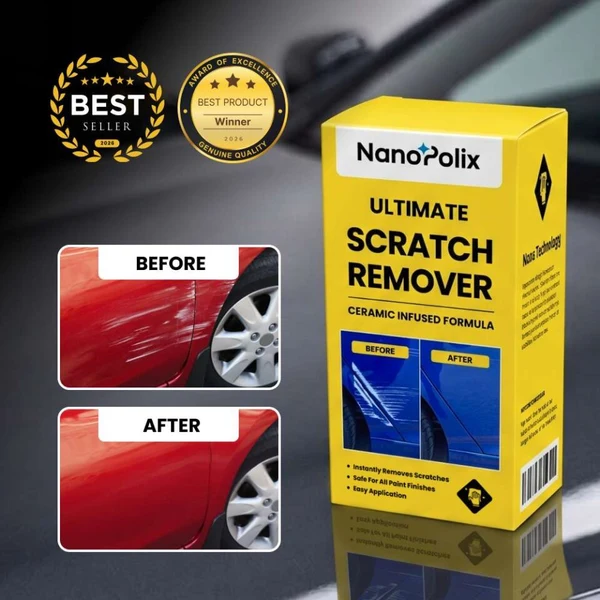
Scratch Cloth vs Machine Polisher vs Body Shop: Match the Fix to the Depth
One fingernail test decides which of the three you need. Get it wrong and you either waste money or remove clear coat you can't put back.
Car Scratch Remover Buying Guide 2026: Cloths, Compounds and the Honest Fix
Cloths, compounds, pens, touch-up paint — which scratch fix matches which damage, the fingernail test, red flags, and when the bodyshop is the answer.
Do Scratch Remover Cloths Actually Work? The Paint Science, Explained
Nano cloths promise 60-second scratch removal. How car paint is layered, what polishing compounds really do, and the honest line the marketing blurs.