Car Scratch Remover Buying Guide 2026: Cloths, Compounds and the Honest Fix
The scratch-repair aisle spans four different solutions for four different depths of damage, and money is wasted whenever the match is wrong. This guide teaches the diagnosis first (the fingernail test), maps each product type to the damage it honestly addresses, flags the claims that should slow a purchase, and names the moment when the bodyshop is genuinely the cheaper answer.
Published · Facts checked against the official product page
Key takeaways
- Diagnose before you buy: the fingernail test (glides = clear-coat damage; catches = deep) sorts every scratch into one of two worlds, and every product on the aisle belongs to only one of them.
- The four-tier map: polishing cloths/compounds for clear-coat damage; scratch-fill pens for slightly deeper marks (cosmetic, temporary); touch-up paint for color-coat damage; bodyshop respray for primer/metal. Skipping tiers wastes money in both directions.
- Red flags on any scratch product page: '100% removes ALL scratches' (physically impossible for a surface product), 'permanent' results, self-published star ratings, and countdown discounts.
- For clear-coat damage, a reusable polishing cloth behind a real 30-day money-back window (the current benchmark, e.g. NanoPolix) is a rational first attempt before any $300 bodyshop quote.
The scratch-repair aisle is four different solutions wearing similar packaging, and nearly all wasted money in this category comes from one mistake: buying a product from the wrong tier for your damage. This guide teaches the diagnosis first, maps the tiers honestly, and names the moment when the bodyshop — the outcome every DIY product promises to spare you — is genuinely the cheaper answer.
Step one: diagnose with your fingernail
Car paint is a layered sandwich — primer, color, clear coat — and every scratch product works on exactly one depth. The free diagnostic that sorts your damage in ten seconds: drag a fingernail slowly across the scratch. Glides over smoothly: the damage lives in the clear coat — the polishing tier is your aisle. Catches slightly: borderline — the groove has depth; fill products may mask it. Catches clearly, or shows a different color inside: the cut reaches color coat, primer or metal — no surface product applies, and the honest aisle is touch-up paint or a professional quote. Do this before reading a single product page, and half the marketing loses its grip on you.
The four tiers, mapped
- Tier 1 — Polishing cloths & compounds (clear-coat damage: scuffs, swirls, water spots, oxidation, light side-swipes). The chemistry is real: compounds micro-level the clear coat. The current category leader on our board is NanoPolix, a reusable nano-polishing cloth with a 30-day money-back guarantee. Rational first attempt for any glides-over scratch.
- Tier 2 — Fill pens & wax sticks (borderline grooves). Cosmetic masking, not repair — expect the mark to resurface after washes. Honest as a temporary fix before a sale or event.
- Tier 3 — Touch-up paint (color-coat damage). Actual paint for actual paint loss; demands color-code matching and patience, delivers a real repair at a visible-on-close-inspection standard.
- Tier 4 — Bodyshop respray (primer/metal, large areas, panel edges, lease returns). The $280–$450 quotes the DIY pages love to cite are directionally real — and on deep damage, this tier is the only one that exists. Rust doesn't negotiate.
The red flags, named
«100% removes ALL scratches» — physically impossible for any surface product; read it as «clear-coat-level damage» and judge accordingly. «Permanent results» — polished finishes are durable, but everything on a car's surface lives through washes, sun and weather. Self-published ratings («4.7 from 1000+ reviews» on the seller's own page) — marketing furniture, as everywhere. Countdown discounts — the 65%-off clock is a rotation, not a deadline. None of these flags mean a product fails at its honest tier; they mean the page is selling past it. The full verification method lives in our research playbook.
The honest economics
For clear-coat damage, the math favors the cloth decisively: a sub-$40 reusable product behind a 30-day window versus a $300 respray is a rational trial with a free exit. For deep damage, the same math inverts — a month spent hoping a cloth outperforms its chemistry is a month of rust exposure before the respray you'll book anyway. The fingernail decides which math you're in; the scratch cloth explainer covers why the line sits exactly where it does.
The short version
Fingernail first, product second. Glides over: buy the polishing tier behind a real 30-day window and test it the week it arrives. Catches: skip every cloth on the internet and match the fix to the depth — pen for masking, paint for color loss, bodyshop for metal. The aisle only wastes the money of buyers who skipped the ten-second diagnosis.
Frequently asked questions
How do I know which scratch remover to buy?
Diagnose the depth first with the fingernail test. Nail glides over: clear-coat damage — polishing cloths and compounds are the right aisle. Nail catches slightly: borderline — a fill pen may mask it, temporarily. Nail catches clearly, or you see a different color in the groove: the damage reaches color coat or primer — touch-up paint or a bodyshop, and no surface product will help.
Are scratch remover cloths a scam?
The mechanism is real — polishing compounds genuinely level clear-coat imperfections — so the honest answer is: they work on the damage they're chemically able to reach, and they're oversold when pages claim '100% of all scratches'. Buy them for scuffs, swirls and water spots; skip them for anything your fingernail catches in; and prefer brands with a real money-back window.
When is the bodyshop actually the right answer?
When the scratch penetrates to primer or metal (rust risk makes waiting expensive), when the damage covers a large area or sits on a panel edge, or when a lease return demands professional standards. A $280–$450 respray quote stings, but on deep damage it's the fix that exists — surface products would only delay it.
What should I check before buying any scratch product?
Four things: does the product's claimed range match your diagnosed damage depth; is there a genuine money-back window (30 days is the current benchmark); is the rating independent or page-published; and is the 'discount' a real price or a rotating promotion. Two minutes of checking beats a month of regret.
Related reading
More buying guides →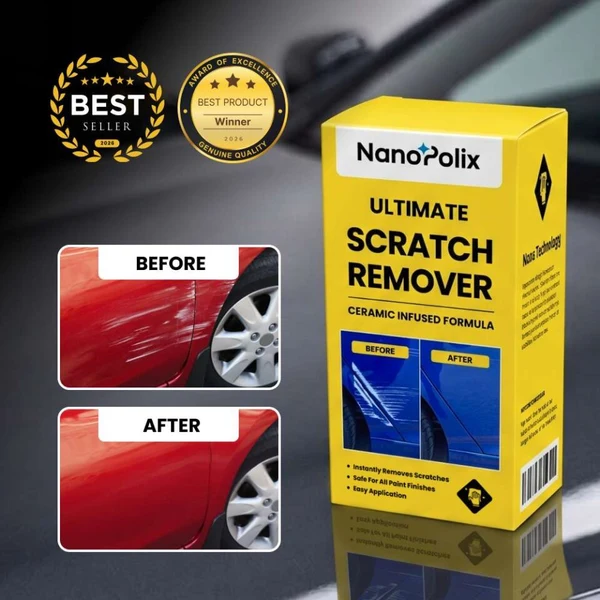
Scratch Cloth vs Machine Polisher vs Body Shop: Match the Fix to the Depth
One fingernail test decides which of the three you need. Get it wrong and you either waste money or remove clear coat you can't put back.
NanoPolix Review: Can a Cloth Really Erase Car Scratches in 60 Seconds?
NanoPolix promises scratch removal with one reusable cloth. The clear-coat truth, the fingernail test, what it honestly fixes, and the 30-day safety net.
Do Scratch Remover Cloths Actually Work? The Paint Science, Explained
Nano cloths promise 60-second scratch removal. How car paint is layered, what polishing compounds really do, and the honest line the marketing blurs.