How to Research a Trending Product Before You Buy: The Complete 2026 Playbook
Every viral product — the wall-mounted AC, the sleep patch, the $44 energy plug — reaches you through a funnel engineered to shorten your thinking. This playbook is the counterweight: a complete, repeatable method for researching any trending product before you pay, with the seven verification steps, category-specific red flags, the honest role of guarantees, and the free tools that do the checking for you.
Published · Facts checked against the official product page
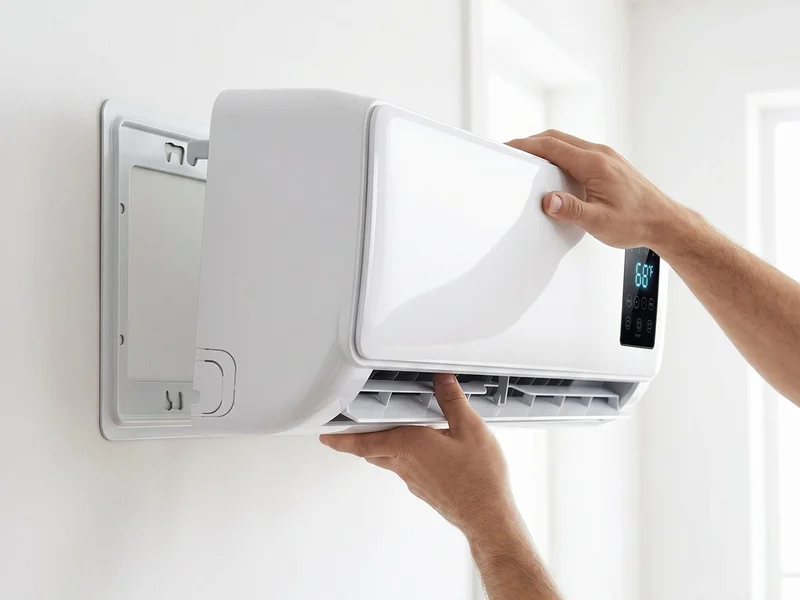
Key takeaways
- Viral commerce is engineered to compress your decision time — countdown clocks, rotating discounts, self-published ratings. The single most protective habit is re-expanding it: a trending product that's genuinely good will still be good tomorrow.
- Seven checks cover almost everything: seller identity, guarantee fine print, price anchor honesty, claim-to-physics fit, independent footprint, payment safety, and returns logistics. Each takes minutes; together they filter out the large majority of regrettable purchases.
- Claims fail in category-specific ways: cooling products blur 'outlet air' with 'room temperature', energy plugs invoke physics households aren't billed for, wellness patches lean on ingredients rather than delivery evidence. Knowing the pattern for the category is half the verification.
- The guarantee is the spec that converts a doubtful purchase into a reversible experiment — but only if you read the day-window, restocking fees and return-shipping terms before paying, not after.
Every product we track — the wall-mounted AC, the melatonin-free sleep patch, the $44 energy plug — reaches you the same way: through a funnel engineered to compress your decision time. Countdown clocks, rotating discounts, autoplaying testimonials, a rating badge the seller wrote about itself. None of this means the product is bad. It means the environment you're deciding in was built by the party that profits from your speed. This playbook is the counterweight: a complete, repeatable method for researching any trending product before you pay — the same one our editorial desk runs before any review on this site.
Step zero: re-expand your decision time
The single most protective habit costs nothing: sleep on it. A genuinely good product is still good tomorrow; a «70% off, today only» code nearly always reappears — we watch these pages across markets, and discount rotation is the norm, not the exception. If a checkout timer is the only thing pushing you forward, that's the signal to step back. Everything else in this playbook fits inside the pause you just created.
The seven verification steps
Run these in order. Each takes a few minutes; most trending products fail visibly at one of the first four.
| # | Check | What you're looking for | Instant red flag |
|---|---|---|---|
| 1 | Seller identity | A reachable company behind the page: legal name, contact route, terms and privacy pages that aren't broken links | No identifiable company anywhere on the page |
| 2 | Guarantee fine print | The actual day-window, restocking fees, and who pays return shipping — stated in writing | «100% satisfaction» language with no terms behind it |
| 3 | Price anchor | Whether the «was» price ever existed; cross-market prices for the same unit | A discount clock that resets when you reload |
| 4 | Claim-to-physics fit | Does the headline claim survive the category's basic physics or biology? (See the table below) | A mechanism the seller can't or won't explain |
| 5 | Independent footprint | Anything about the product outside its own funnel: editorial reviews, marketplace listings, community threads | The product exists only on its own sales page and ads |
| 6 | Payment safety | A payment method with dispute protection; HTTPS checkout; no bank-transfer-only options | Requests for transfers, crypto or gift cards |
| 7 | Returns logistics | Where returns actually ship to, and what that costs from your country | An international return address that would cost more than the refund |
Claims fail by category — learn the pattern, not the product
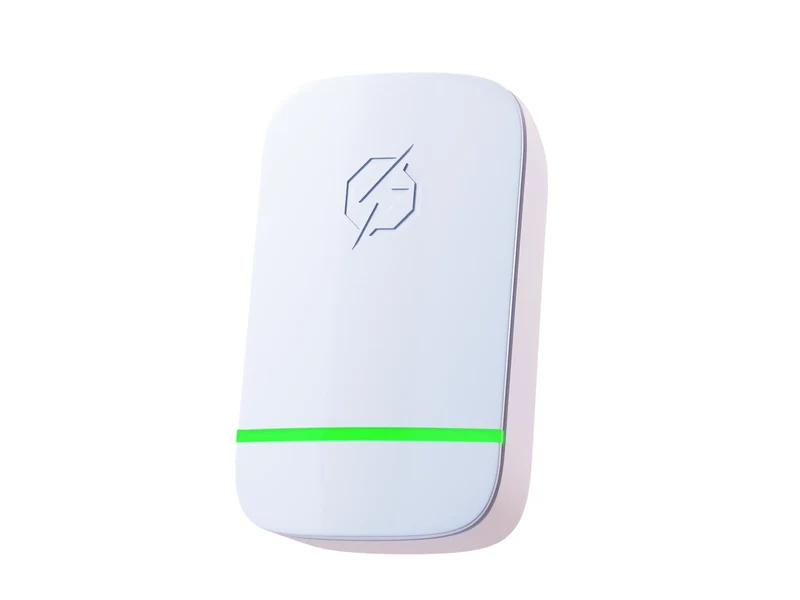
After tracking hundreds of trending products across the US, UK, German and French markets, the most useful thing we can teach is this: claims don't fail randomly; they fail in category-shaped ways. If you know the pattern for the category, you can evaluate a product you've never seen before in minutes.
| Category | The recurring claim | The honest physics | The question to ask |
|---|---|---|---|
| Cooling devices | «Cools your room by 20° in minutes» | Outlet-air temperature and room average are different measurements; hoseless water-tank units are evaporative, which weakens in humid air | Is the number about the air at the outlet, or the room my thermostat reads? |
| Energy savers | «Cuts your electricity bill up to 40%» | Residential meters bill real power (kWh); power-factor and «dirty electricity» correction aren't billed to households | What exactly does my meter charge for — and does this device change that number? |
| Wellness patches | «Clinically-inspired ingredients, absorbed through the skin» | Ingredient evidence usually comes from oral studies; transdermal delivery of those same compounds is a separate, mostly unproven step | Is the evidence about the ingredient, or about this patch delivering it? |
| Light-therapy devices | «Red light regenerates and rejuvenates» | Photobiomodulation has genuine clinical research — at clinical doses and durations that consumer devices may not match | Does the device state its wavelength and dose, and do they match the studies? |
| Detectors & safety | «Protects your whole home from one outlet» | Placement, certification and sensor standards decide protection — one device covers one zone | Which certification standard does it meet, and how many units does my layout need? |
The deep dives behind each row live in our category explainers — how portable ACs actually work, the honest electricity of energy savers, what transdermal patches can and can't do, and the real evidence on light therapy.
Use the independent tool layer
Verification gets dramatically faster when you keep a small toolkit outside the seller's funnel. A search engine used deliberately — product name plus «review», minus the brand's own domains — surfaces the independent footprint in seconds. A reverse-image search traces whether the «exclusive» product photos are recycled across a dozen storefronts under different names, one of the strongest signals of white-label reselling. A currency converter exposes cross-market price games on products sold in several countries at once. Independent tech portals maintain many of these utilities for free — the Portuguese-language portal Tech Infoco, for example, keeps a suite of free web tools alongside its technology coverage, from image compression and conversion utilities to internet speed testing, the kind of practical resource layer worth bookmarking regardless of the language you shop in. The point isn't any single tool; it's owning a verification kit the seller didn't build for you.
The guarantee: your experiment license
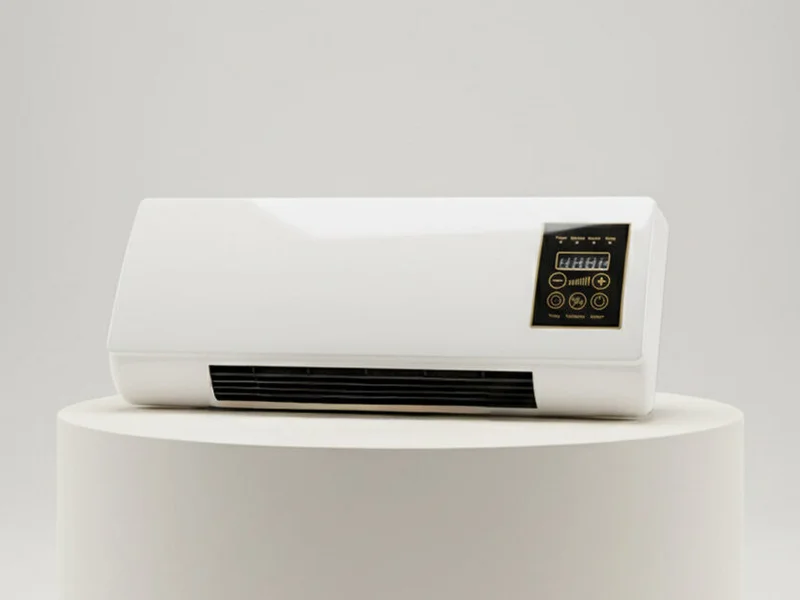
In young, marketing-heavy categories — which is what «trending» means — the returns policy is the single most decision-relevant spec on the page, because it converts an unverifiable promise into a reversible experiment. But it only works if you read it before paying. The checklist: the day-window (30 days is the floor; the serious offers we track declare 60); restocking fees (a 20% fee quietly converts «money-back» into «most-of-your-money-back»); return shipping (who pays, and to which country); and the trigger («defective only» is a warranty, not a satisfaction guarantee — they are not the same promise). Then run the experiment the guarantee licenses: use the product in your real conditions, immediately, and decide inside the window with your own evidence.
The playbook, compressed
Slow the purchase down; the funnel is built for speed. Run the seven checks — seller, guarantee, price anchor, physics, footprint, payment, returns. Read claims through the category's pattern, not the product's copy. Keep an independent toolkit for the checking. Treat the guarantee as your experiment license and read its terms before paying. And match the product's honest job description to your actual problem — because most trending-product disappointment isn't fraud, it's a mismatch that five minutes of research would have caught. That's the entire method we use on this desk, and it's free.
Frequently asked questions
What's the fastest way to check if a trending product is legitimate?
Run the three-minute version: (1) find the money-back guarantee and read its actual terms — window, restocking fees, who pays return shipping; (2) test the headline claim against basic physics or biology for the category; (3) search the product name plus 'review' outside social media and see whether anything independent exists. A product that fails two of the three deserves to stay in the cart overnight.
Are the star ratings on product sales pages trustworthy?
Treat any rating published on the seller's own page as marketing material — it's curated by the party with the strongest interest in your purchase. That doesn't make it false; it makes it unverifiable. Weight independent signals (editorial reviews, marketplace ratings with visible review histories, community threads) far above anything the sales page displays about itself.
Why do trending products so often disappoint?
Usually not because they're fake, but because the marketing sold a different job than the product performs: a personal-zone cooler bought to chill a living room, an evaporative unit bought for a humid climate, a wellness patch bought as medicine. Matching the product's honest job description to your actual problem — before paying — prevents most of the disappointment the category generates.
What tools should I use to research before buying?
A search engine used outside social media, a currency or unit converter for cross-market price checks, an image compressor or reverse-image search to trace recycled product photos, and a payment method with dispute protection. Independent tech portals maintain many of these utilities for free — bookmark one and the whole checklist takes minutes.
Related reading
More explainers →
E-Commerce Heat Index — August 2026: Cooling Leaves the Board, Wellness Takes It
TechsTrends' August 2026 Heat Index: demand-signal scores across five markets, the seasonal turn out of cooling, and the full dataset as open CSV.
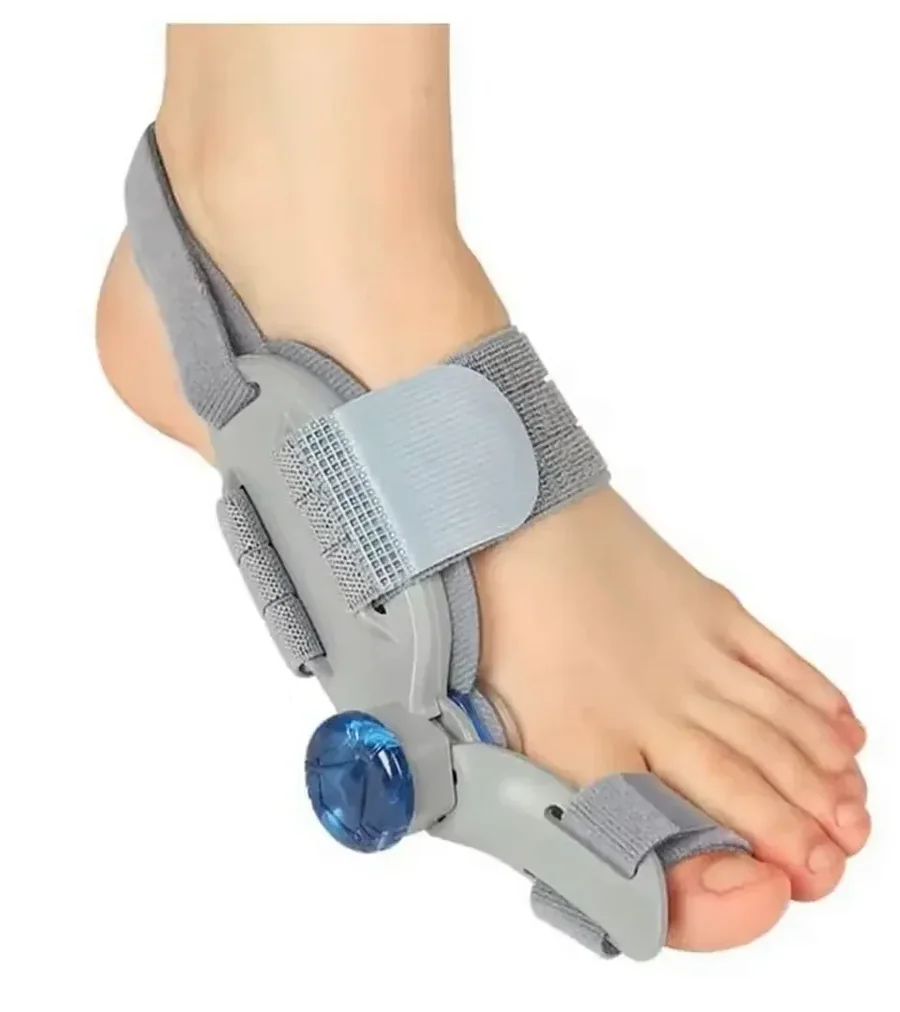
What Actually Causes a Bunion — and Why the Bump Isn't the Problem
Hallux valgus is a shift in the bones of the big-toe joint, not a growth. Why it progresses, and what a strap can and cannot change.
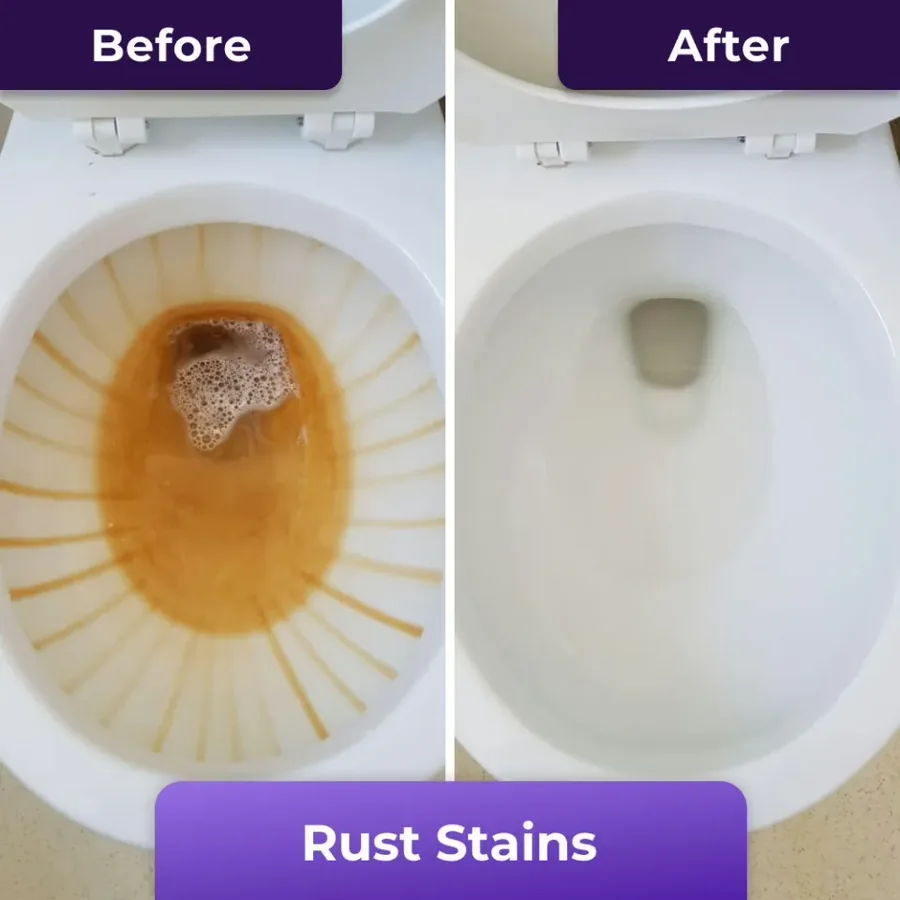
Why Fizzing Cleaners Fizz — and What the Bubbles Are Actually For
The bubbles aren't scrubbing. They're transport. How effervescence solves the real problem in toilet cleaning, and why the fizz says nothing about strength.