Do Weight-Loss Patches Actually Work? The Transdermal Science, Explained
Slim patches promise to move appetite control off your plate and onto your skin. The science of transdermal delivery is real but narrow — it works for a short list of engineered molecules and struggles with almost everything else. This explainer covers how skin patches actually work, why 'natural extract' weight-loss patches face a hard evidence problem, and where the durable levers of weight management really sit.
Published · Facts checked against the official product page
Key takeaways
- Transdermal delivery is real but narrow: the skin is a barrier by design, and only a short list of small, specially engineered molecules (nicotine, certain hormones, some pain drugs) cross it reliably and in useful amounts.
- 'Natural plant extract' weight-loss patches face a hard evidence problem — the compounds are usually larger and not formulated for skin penetration, and appetite suppression through the skin is not an established result.
- The patch format's genuine appeal is real but psychological and practical: it avoids the stomach (and pill nausea), it's effortless, and it feels active — none of which is the same as proven efficacy.
- The levers that actually move weight are unglamorous and well established: nutrition, physical activity, sleep, and medical support where appropriate. A patch, at best, sits on top of those — never in place of them.
The pitch is seductive precisely because it moves the effort off your plate and onto your skin: stick on a patch, go about your day, crave less. To judge whether that can work, you don't need to distrust every seller — you need to understand one thing well: how substances actually cross skin, and why that route is far narrower than the marketing implies.
What the skin actually does
Your skin's main job is to keep the outside out. The outermost layer is a dense, water-resistant barrier that blocks the vast majority of molecules that land on it — which is a feature for survival and an obstacle for drug delivery. Transdermal patches that do work — nicotine, some hormones, certain pain medications — clear that barrier only because their molecules are small, fat-soluble and effective at tiny doses, and because pharmaceutical companies engineered each one specifically to get across. Transdermal delivery is genuine science; it is also a narrow doorway, and getting a molecule through it is a deliberate achievement, not a default.
Why «natural extract» patches face a hard problem
Now apply that doorway to a weight-loss patch built on «plant-based extracts». Two obstacles stack. First, the molecules are usually wrong for the route: many botanical compounds are larger or not fat-soluble in the way skin penetration demands, so even a well-made patch may deliver very little of them into the body. Second, the ingredients are uncertain even by mouth: most «natural» appetite compounds have modest and mixed evidence when swallowed, where absorption is far easier. Combine an uncertain ingredient with an uncertain delivery route and the honest expectation isn't «maybe less» — it's «probably very little». This is the core reason our weight-loss patch buying guide treats an unnamed «natural» formula as a reason to walk away.
So why do the patches feel appealing?
Because the format solves real experiential problems even when it doesn't solve the physiological one. It bypasses the stomach, so it sidesteps the nausea and jitters that make diet pills unpleasant — a genuine comfort advantage, just not an efficacy one. It's effortless, which flatters the wish for a result without the work. And wearing something feels active, a small daily signal of «I'm doing something about this». Those are real reasons people like patches; none of them is evidence that a patch changes what your body does with hunger.
Where the real levers are
The unfashionable truth that no adhesive can replace: appetite and weight respond to protein and fiber (which actually blunt hunger), to sleep (short sleep reliably amps cravings the next day), to regular movement, and — for goals that matter medically — to professional care, including prescription options that genuinely work and that a doctor can walk you through. It's a duller list than «peel and stick», which is exactly why the patch keeps getting reinvented. If a patch helps you feel more in control while you do the real work, that's a personal, unproven bonus you can test behind a returns window — as our Akemi Slim Patch review frames it. Just don't mistake the sticker for the solution.
Frequently asked questions
How do transdermal patches work?
A transdermal patch delivers a drug through the skin into the bloodstream at a steady rate. It works only for molecules with the right properties — small, fat-soluble, effective at low doses — and each medical patch (nicotine, hormones, certain pain drugs) is the result of deliberate pharmaceutical engineering to get that specific molecule across the skin barrier.
Why might a 'natural' weight-loss patch not work?
Two reasons stack. Many botanical compounds are simply too large or not soluble in the right way to cross skin in meaningful amounts. And even taken orally, most 'natural' appetite ingredients have modest, mixed evidence at best. Put those together — an uncertain ingredient delivered by an uncertain route — and the honest expectation is low.
Are weight-loss patches better than pills?
They're different, and the one honest advantage is avoiding the stomach — no pill nausea or digestive upset. But 'gentler on the stomach' is not 'more effective', and a route that's easier on your gut isn't automatically a route that delivers anything useful. Comfort of format and strength of effect are separate questions.
What actually works for appetite and weight?
The unglamorous, well-evidenced answer: protein and fiber for satiety, consistent sleep (poor sleep drives cravings), regular activity, and — for medically relevant goals — professional guidance, including the genuinely effective prescription options a doctor can discuss. None of it fits on a patch, which is precisely why patches keep getting invented.
Related reading
More explainers →
Appetite Patch vs Capsule vs Changing One Habit: An Honest Comparison
Two products and one behaviour, compared on the only measure that matters — what the evidence supports, and what the checkout signs you up for.
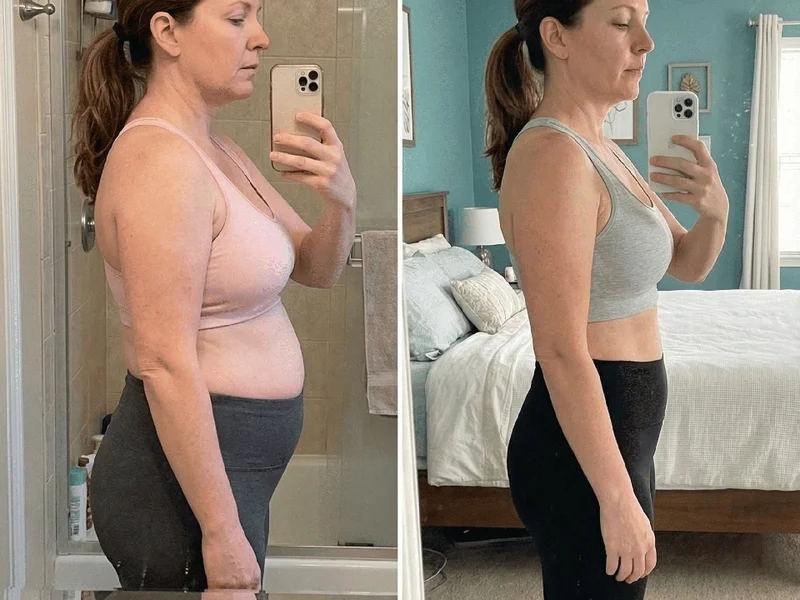
Akemi Slim Patch Review: What a Stick-On Appetite Patch Can — and Can't — Do
Akemi Slim Patch markets 24-hour craving control from a stick-on patch. We weigh the transdermal claims against the evidence and the FDA disclaimer.
Weight-Loss Patch Buying Guide 2026: How to Shop a Skeptical Category
Slim patches promise effortless craving control. How to read the claims, the red flags that should halt a purchase, the safety checks, and why the guarantee matters.