Why Slim Patches Are Trending Again in 2026 — and How to Read the Wave
Slim patches are having another moment on US social feeds, led by products like the Akemi Slim Patch. The wave rides a familiar mix — pill fatigue, the appeal of an effortless format, and aggressive discount marketing. Here's the honest market reading: why the format keeps coming back, what's genuinely new, and the skeptic's checklist for a category where marketing routinely outruns evidence.
Published · Facts checked against the official product page

Key takeaways
- Weight-loss patches are surging again on US social commerce in 2026, led by products like the Akemi Slim Patch — a recurring wave rather than a new invention.
- The drivers are familiar: fatigue with pills and their side effects, the appeal of an effortless 'peel-and-stick' format, and aggressive limited-time discount marketing.
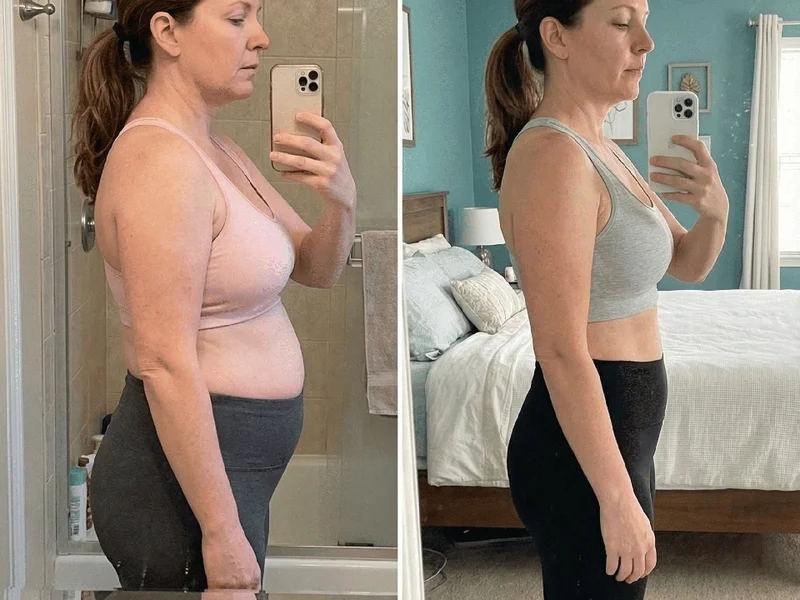
- What's genuinely new is distribution, not science — short-video commerce spreads before/after content faster than ever, while the underlying transdermal evidence problem is unchanged.
- Our house reading for the wave: skepticism by default, safety checks first, maker claims treated as claims (with the FDA disclaimers these pages carry), and purchases made only behind a real money-back guarantee.
Trends in wellness commerce rarely invent themselves; they return. The slim patch — a stick-on promise of appetite control without pills — is having another of its periodic surges across US social feeds in 2026, led by products like the Akemi Slim Patch. Understanding why the wave keeps coming back, and reading it without being swept up in it, is more useful than either hype or dismissal.
The forces behind the surge
Three familiar currents feed every slim-patch cycle. Pill fatigue: diet pills are associated with nausea, jitters and digestive upset, and «skips the stomach» is a genuinely appealing counter-pitch. The effortless format: «peel and stick» flatters the enduring wish for a result without the work — the same wish that powers every shortcut in the category. Discount urgency: steep, clock-driven offers («up to 81% off, while supplies last») compress the decision, which is precisely their function. None of this is unique to 2026; it's the standard recipe, and it works because the underlying desire is perennial.
What's actually new — and what isn't
The genuinely new ingredient is distribution. Short-video social commerce spreads testimonial and before/after content faster and to more people than any previous cycle, which is why the wave feels bigger. What is not new is the science: the transdermal evidence problem — the skin is a barrier, and «natural extracts» aren't established to cross it in appetite-suppressing amounts — sits exactly where it did in every prior slim-patch moment. Faster marketing over unchanged evidence is the honest one-line summary. The mechanics are in our explainer on whether weight-loss patches work.
The skeptic's reading
A trend isn't a verdict, and «trending» is a statement about attention, not efficacy. So our house rules for the wave are the same ones we'd give a friend: default to skepticism, because the category's marketing routinely outruns its evidence; check the safety flags for your own situation with a professional before wearing anything, since «natural» isn't «safe»; treat maker statistics and testimonials as claims, not findings, especially given the FDA disclaimers these pages carry; and if you try one, buy only behind a real, no-questions money-back guarantee so the experiment is reversible. Our full weight-loss patch buying guide turns those into a checklist, and the Akemi Slim Patch review applies them to the product leading this particular wave. Above all, keep the real levers of weight management in view — the trend will pass; nutrition, movement, sleep and good clinical care won't.
Frequently asked questions
Why are weight-loss patches trending again in 2026?
The same forces that power every slim-patch cycle, amplified by short-video commerce: weariness with diet pills and their side effects, the seductive ease of a stick-on format, and steep limited-time discounts that manufacture urgency. The format keeps returning because the wish it sells — effortless craving control — never goes away.
Is there anything new about this wave?
The distribution, not the science. Social platforms now spread testimonial and before/after content faster and wider than before, which accelerates the trend. The underlying transdermal evidence problem — 'natural extracts' don't reliably cross skin to suppress appetite — is exactly as unresolved as in previous cycles.
Should I try a slim patch?
That's a personal choice, but make it with clear eyes: expect an unproven experiment, check the safety flags for your situation with a professional, and buy only behind a genuine no-questions money-back guarantee. And keep the real levers of weight management — diet, activity, sleep, clinical support — in the foreground, because no patch replaces them.
Related reading
More news & trends →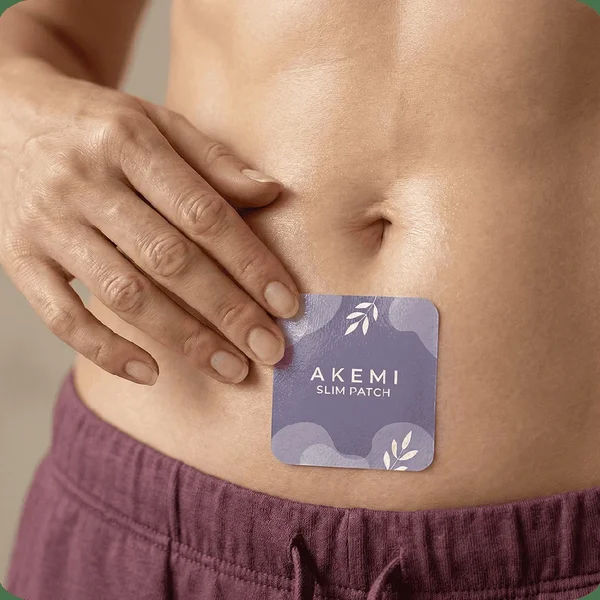
Appetite Patch vs Capsule vs Changing One Habit: An Honest Comparison
Two products and one behaviour, compared on the only measure that matters — what the evidence supports, and what the checkout signs you up for.
The Device Is the Discount: Subscriptions Are Now Pre-Selected at Checkout
Three products on our board arrive with recurring billing already ticked. We counted what each one costs over a year against its own headline price.
Akemi Slim Patch Review: What a Stick-On Appetite Patch Can — and Can't — Do
Akemi Slim Patch markets 24-hour craving control from a stick-on patch. We weigh the transdermal claims against the evidence and the FDA disclaimer.