Weight-Loss Patch Buying Guide 2026: How to Shop a Skeptical Category
Weight-loss patches are among the most heavily marketed and least substantiated products in wellness commerce. This guide is deliberately protective: how to read a slim-patch page without being sold, the red flags that should end a purchase on the spot, the safety groups who must talk to a doctor first, and why — in a category this unproven — the returns policy is the most important spec on the page.
Published · Facts checked against the official product page
Key takeaways
- Start from skepticism: transdermal weight-loss patches are a heavily marketed, lightly evidenced category, and no patch is a substitute for the real drivers of weight change — nutrition, activity, sleep and clinical support where needed.
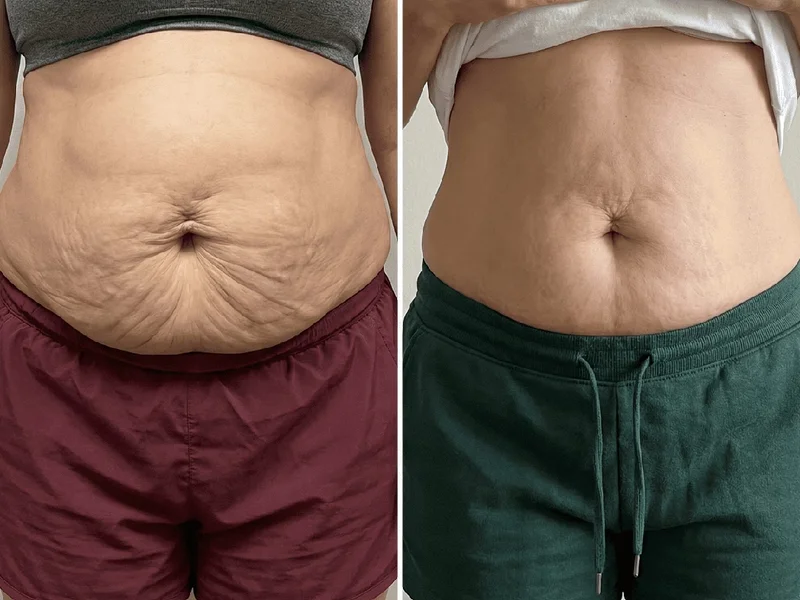
- The three hardest red flags: an unnamed or 'proprietary' formula, before/after imagery with an extreme discount clock, and any claim to 'treat' or 'cure' — a supplement legally cannot, and most carry an FDA disclaimer saying exactly that.
- Safety first, always: 'natural' is not 'safe'; anyone pregnant, breastfeeding, on medication or managing a condition should clear any patch with a professional, and stop at the first sign of skin irritation.
- In an unproven category, the returns policy is the most important spec on the page — a genuine 30-day, no-questions money-back guarantee is what turns a doubtful purchase into a reversible one.
Few corners of wellness commerce are as heavily marketed — or as lightly evidenced — as the weight-loss patch. So this guide is deliberately protective. Its goal isn't to help you pick the «best» patch; it's to help you read the category clearly, spot the marketing built to outrun the evidence, and, if you still want to try one, do it in the way that costs you the least.
Rule 1: start from skepticism, not hope
The category's core promise — effortless craving control through the skin — runs into the same wall every time: transdermal delivery is real for specific, engineered molecules, and unproven for «natural extracts» as a class. That doesn't make every patch worthless, but it does mean the burden of proof sits with the seller, and «customers love it» is not that proof. Our explainer on whether weight-loss patches work lays out the transdermal science; carry its default — doubt — into every product page.
Rule 2: the red flags that should stop a purchase
- An unnamed or «proprietary» formula. If you can't see the individual ingredients, you can't assess the dose, the evidence or the interactions. That's not a detail to overlook; it's a reason to close the tab.
- The discount clock. «81% off, while supplies last» manufactures urgency to short-circuit exactly the deliberation this guide asks for. A real product doesn't need you to decide in the next nine minutes.
- Treat/cure language. Supplements legally can't claim to treat or cure, which is why they carry FDA disclaimers. Any drift toward medical claims is a flag, not a feature.
Rule 3: safety is not optional
«Natural» is a marketing word, not a safety guarantee. Skin-worn patches can irritate the contact site; unnamed botanicals can sensitize or interact with prescriptions; and some plant extracts are genuinely contraindicated in pregnancy or with specific conditions. The non-negotiable checks: if you are pregnant or breastfeeding, take any medication, or manage a health condition, clear the product with a doctor or pharmacist before use — and stop at the first sign of a skin reaction, whatever the label promised.
Rule 4: in an unproven category, the guarantee is the spec
When efficacy is uncertain, the most valuable thing a seller can offer is a clean exit. A genuine 30-day, no-questions money-back guarantee — like the one on the current trending example, Akemi Slim Patch — is what converts a doubtful purchase into a reversible experiment. Read the returns terms before the ingredient list, because in this category they protect you more than any claim on the page.
The bottom line on Akemi Slim Patch
Shop weight-loss patches the way you'd shop any promise that sounds too easy: from skepticism, with your safety checked, your expectations set by evidence rather than testimonials, and your money protected by a real returns window. And keep the largest truth in view — the durable results in weight management come from behavior and, where needed, medicine. A patch might be an experiment worth a reversible try; it is not, and cannot be, the plan.
Frequently asked questions
Do weight-loss patches actually work?
The honest answer is that the category is largely unproven. Transdermal delivery works for specific pharmaceutical molecules, not for 'natural extracts' as a class, and appetite suppression through the skin isn't an established result. Most of these products carry an FDA disclaimer stating their claims haven't been evaluated. Shop the category expecting an experiment, not a solution.
What are the warning signs of an overhyped slim patch?
An unnamed or 'proprietary blend' formula you can't evaluate; extreme, clock-driven discounts (81% off, ends tonight); wall-to-wall before/after imagery; and any language that edges toward treating or curing. None of these makes a product a scam by itself, but together they describe marketing built to outrun evidence.
Are weight-loss patches safe?
Skin-worn patches can cause contact irritation, and 'natural' botanicals can still sensitize or interact with medications. Pregnancy, breastfeeding, existing conditions and current prescriptions are all reasons to ask a doctor or pharmacist before use. Stop immediately if the skin reacts. Medically relevant weight goals belong in clinical care.
What should I look for before buying?
In order: a real safety check for your situation, a named formula (or a decision to walk away without one), realistic expectations set against evidence rather than testimonials, and — most important in this category — a genuine no-questions returns window so a purchase you may regret is fully reversible.
Related reading
More buying guides →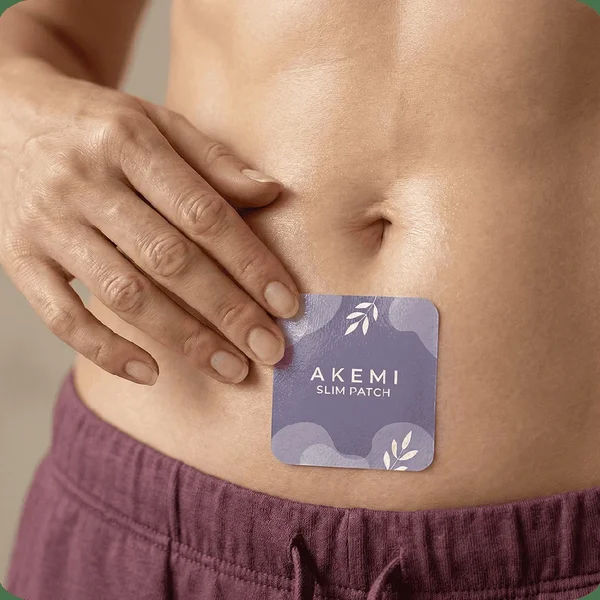
Appetite Patch vs Capsule vs Changing One Habit: An Honest Comparison
Two products and one behaviour, compared on the only measure that matters — what the evidence supports, and what the checkout signs you up for.
Akemi Slim Patch Review: What a Stick-On Appetite Patch Can — and Can't — Do
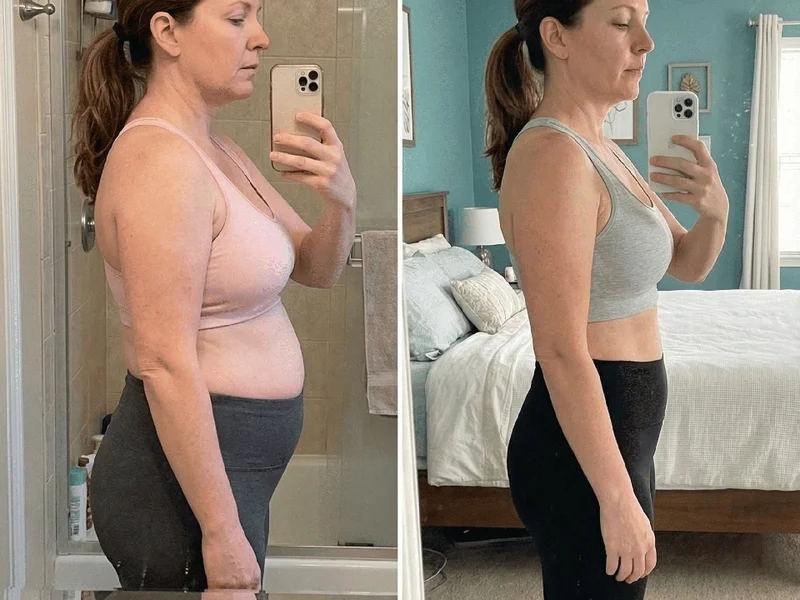
Akemi Slim Patch markets 24-hour craving control from a stick-on patch. We weigh the transdermal claims against the evidence and the FDA disclaimer.
Do Weight-Loss Patches Actually Work? The Transdermal Science, Explained
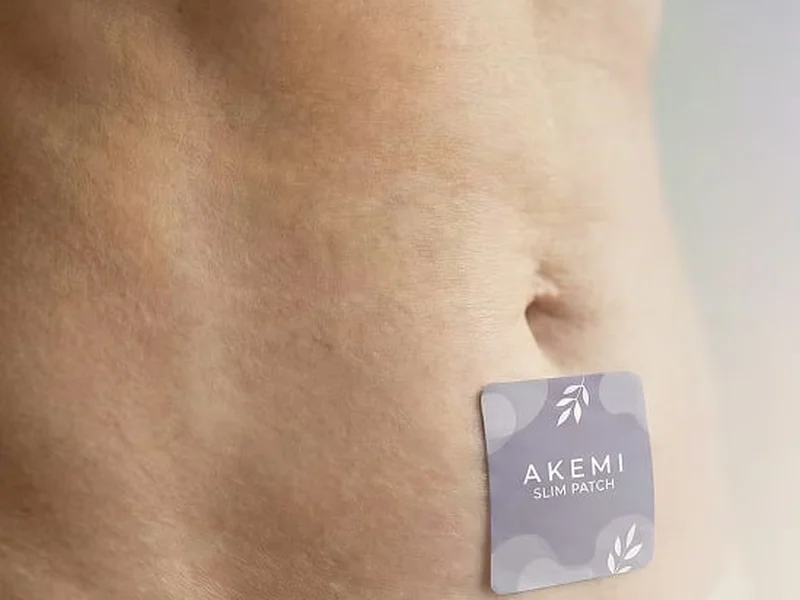
Slim patches claim to curb appetite through the skin. What transdermal delivery genuinely does, why 'natural extract' patches face a hard evidence problem.