Rising Bills Have Revived the Energy-Gadget Wave — Here's How to Read It
As US electricity bills climb through 2026, a familiar product category has come roaring back across social commerce: the plug-in energy saver, currently led by StopWatt. The wave rides real pain and unestablished physics — here's the market read, what's genuinely new, and the house rules for buying into a category where marketing routinely outruns the meter.
Published · Facts checked against the official product page
Key takeaways
- Plug-in 'electricity savers' are surging across US e-commerce in 2026, led on our board by StopWatt — a recurring wave that returns every time energy prices climb.
- The drivers are real even when the physics isn't: rising bills, the appeal of a one-time $44 fix versus behavior change, and social commerce spreading self-published ratings faster than ever.
- Nothing about the category's core physics has changed: residential meters bill real power, and outlet plugs are not established to reduce it. The distribution is new; the mechanism debate isn't.
- House rules for the wave: treat all savings figures as maker claims, run the two-bills-before/two-after test, and buy only behind a genuine 60-day money-back window.
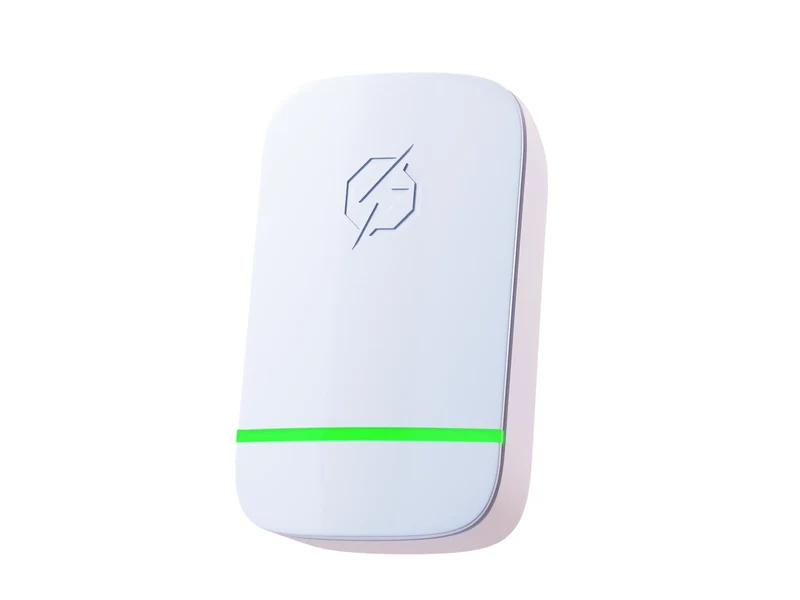
Every energy-price spike produces the same e-commerce echo: the return of the plug-in «electricity saver». As US bills climb through 2026, the category is having its biggest wave in years — led on our board by StopWatt, a $44 outlet plug promising to calm «dirty» electricity — and the honest market read matters more than the hype or the dismissal.
The forces behind the wave
Three currents, all real. The pain: electricity bills are up, and a rising fixed cost creates urgent demand for anything promising relief. The psychology: a one-time $44 purchase feels dramatically easier than the behavior change — thermostat discipline, appliance timing — that actually moves a bill. The distribution: social commerce now spreads manufacturer-published ratings and savings screenshots faster and wider than any previous cycle. Real pain plus easy story plus fast distribution is the recipe for every recurring wave we track.
What's new — and what never changes
The distribution is new; the physics isn't. Residential meters bill real power — the kWh appliances actually consume — and outlet plugs correcting power factor or filtering «rough current» are not established to reduce that number, because households were never billed for those phenomena in the first place. Our energy saver explainer covers the mechanics in plain language; nothing in this year's wave has changed them.
The house rules for this wave
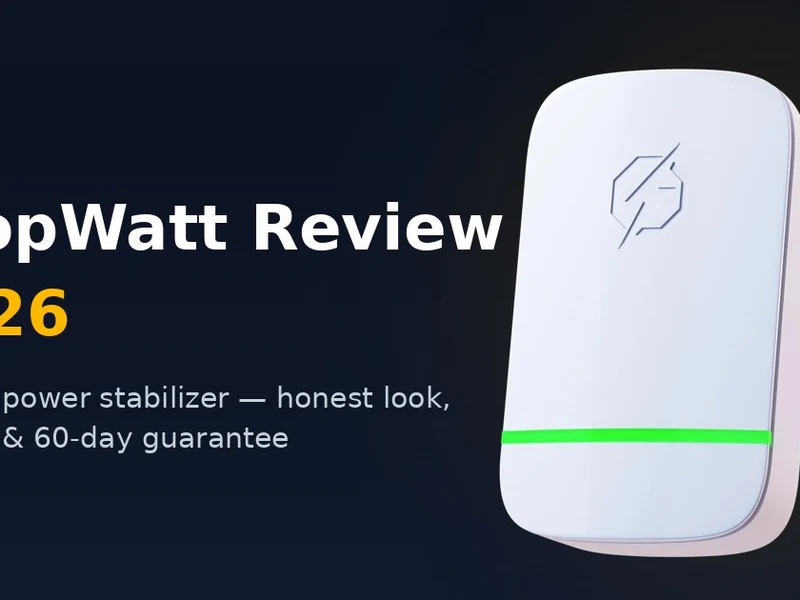
Our fixed guidance for readers riding any claims-heavy trend: treat every savings figure and star rating on a sales page as a manufacturer claim (StopWatt's own 4.6/5 is labeled as manufacturer-published feedback); run the controlled test — two utility bills before, two after, same season, nothing else changed; and buy only behind a real returns window — the 60-day money-back guarantee on the current leader is exactly the term that makes the experiment free. The full checklist lives in our plug-in energy saver buying guide; the claims-versus-physics audit of the wave's leader is in the StopWatt review. And whatever you decide about the gadget, the proven levers — thermostat, LEDs, phantom loads, air sealing — are where the meter actually moves. The live board tracks where the wave goes next.
Frequently asked questions
Why are energy-saving gadgets trending in 2026?
Rising electricity bills create real pain, and a $44 one-time fix is psychologically easier than behavior change. Add social commerce spreading manufacturer-published ratings at scale, and a category that resurfaces with every price spike has its biggest wave in years.
Which energy saver is leading the trend?
StopWatt leads our US board — a $44.10 plug-in with a 60-day money-back guarantee, which is the one offer term we weight heavily in a category whose savings mechanism is not established for residential billing.
Should I buy into the energy-gadget trend?
Only as a controlled experiment: real returns window, two utility bills before and after, nothing else changed. And put an afternoon into the proven levers — thermostat, LEDs, phantom loads, air sealing — which move the meter regardless of what you decide about the gadget.
Related reading
More news & trends →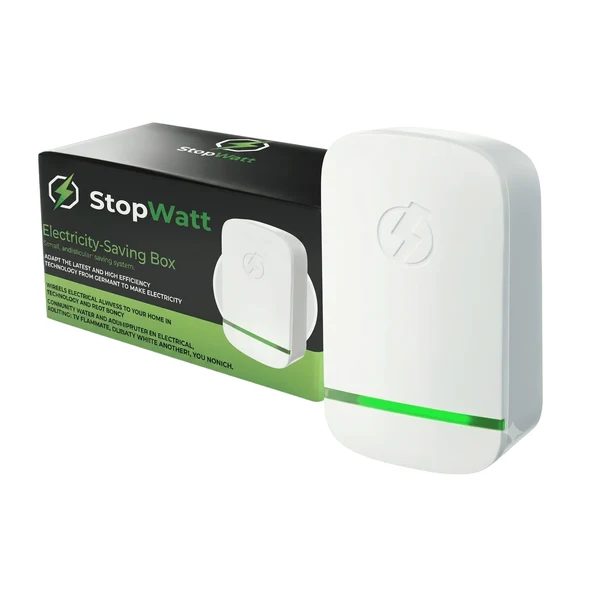
Plug-In Energy Device vs Smart Plug Monitor vs Actually Using Less
Three approaches to a high electricity bill. One is measurement, one is behaviour, and one has physics working against it. Which is which.
StopWatt Review: Can a $44 Plug-In Really Lower Your Power Bill?
StopWatt is a $44 plug-in marketed to cut wasted electricity. The physics of what it can and can't do, the claims to treat as claims, and the 60-day safety net.
Plug-In Energy Saver Buying Guide 2026: How to Shop a Skeptical Category
Plug-in 'electricity savers' are booming again. How household billing really works, the claims to distrust, and the one test that settles it at home.