Nebroo Pro 3.0 Review: What a $99 Over-the-Counter Hearing Aid Can and Can't Do
Nebroo Pro 3.0 is a $99 pair of completely-in-canal hearing aids sold over the counter — no appointment, no prescription. Our review covers what that legitimately means: OTC hearing aids are a real FDA category, but only for adults with perceived mild to moderate hearing loss, and only when none of the FDA's red-flag conditions apply. Here's who this product honestly serves, what to verify before buying, and why its 120-day guarantee matters more than any claim on the page.
Published · Facts checked against the official product page
Key takeaways
- Over-the-counter hearing aids are a legitimate FDA device category, effective October 2022, for adults 18 and older with perceived mild to moderate hearing loss. Nebroo sells into that category at $99 — a real price disruption in a market where prescription pairs commonly run thousands.
- The category has hard limits that no marketing changes: OTC aids are not for severe hearing loss and not for anyone under 18, and the FDA lists red-flag conditions — sudden hearing change, one-sided loss, pain, drainage, dizziness, one-sided ringing — that mean you should see a doctor or audiologist instead of buying anything.
- The specs the maker states: 19-hour battery, a case holding about three recharges, roughly 3–4 hours to charge, automatic background-noise reduction, and ear domes in 8 sizes. What no OTC device includes is a professional fitting to your specific audiogram — the real difference behind the price gap.
- The 120-day money-back guarantee is the standout term. The FDA doesn't require OTC hearing aids to be returnable at all, so a four-month window is well above the category norm — and it's what makes trying the device a genuinely low-risk decision for the right buyer.
At $99 a pair, Nebroo Pro 3.0 sits at the sharp end of one of the most consequential consumer-health shifts of the decade: hearing aids you can simply buy. No appointment, no prescription, no eight-week wait. That's not a loophole — it's federal policy. But the same rules that made this product legal also define exactly who it's for, and the sales page is far more enthusiastic about the first part than the second. This review covers both.
The rule that makes this possible
In August 2022 the FDA finalized a rule creating a new device category: over-the-counter hearing aids, on shelves from October 17, 2022. The intent was access — hearing loss is among the most common chronic conditions, and by most estimates the large majority of people who could benefit from hearing aids don't use them, with cost and friction the leading reasons. OTC aids let adults 18 and older with perceived mild to moderate hearing loss buy directly, online or in stores.
Three limits come attached, and they are not fine print. OTC aids are not for severe hearing loss. They are not for anyone under 18. And they are not appropriate when certain symptoms are present — the FDA's red-flag list, which we cover in full below. Prescription hearing aids, fitted by an audiologist to a measured audiogram, remain the route for everything outside those bounds.
What Nebroo states it delivers
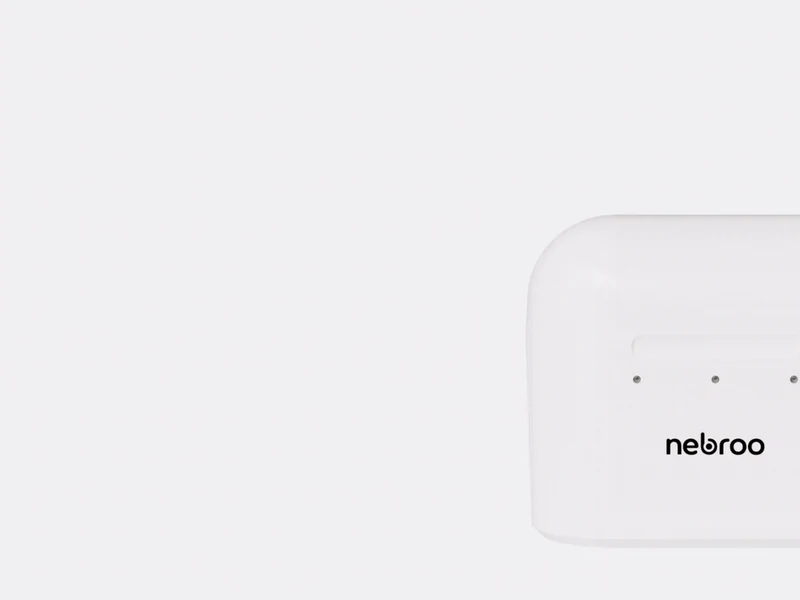
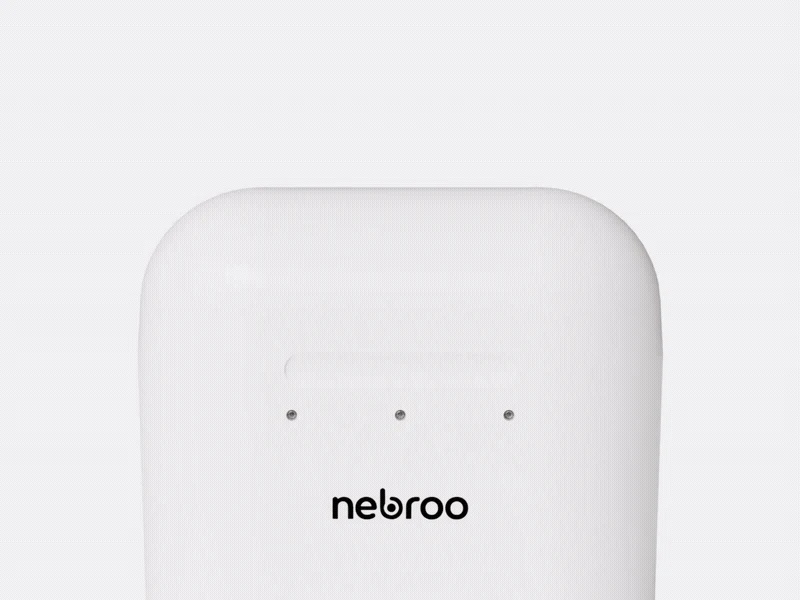
The Pro 3.0 is a completely-in-canal (CIC) device — the format that sits deep enough to be visually discreet, which the page leans on heavily. The stated specs: a 19-hour battery, a wireless charging case holding about three full recharges, roughly 3–4 hours to charge, and silicone ear domes in 8 sizes so buyers can self-fit. The positioning the maker pushes hardest is that the device isn't about volume — that it reduces background noise automatically rather than amplifying everything equally. That's the right thing to aim at: indiscriminate amplification is exactly what makes cheap sound amplifiers frustrating in restaurants and crowds. Whether any given unit achieves it well is something only wearing it will tell you, which is why the return window matters so much.
The red flags: the most important section on this page
Before any purchase in this category, check yourself against the FDA's red-flag conditions. If any apply, the correct next step is a doctor or audiologist — not a checkout page:
- A visible ear deformity, from birth or injury
- Blood, pus or fluid coming from the ear within the past 6 months
- Ear pain or discomfort
- Excessive earwax, or the feeling something is in your ear
- Dizziness, spinning or vertigo
- A sudden change in hearing within the past 6 months
- Hearing that fluctuates — worse, then better
- Noticeably worse hearing in one ear than the other
- Ringing or buzzing in only one ear
These aren't bureaucratic caution. Sudden loss, one-sided loss and one-sided ringing in particular can signal conditions where timing genuinely affects outcomes. Amplifying a symptom is not treating a cause — and a $99 device can't tell the difference. This is the part of the story the «no doctor, no waiting» pitch structurally can't tell you, which is why we're telling you.
The $99 versus $4,672 question
The page builds its case on a price comparison — $99 against a stated $4,672 average for a prescription pair. The gap is real; US prescription hearing aid pricing genuinely runs into the thousands, and that cost is a documented reason people go untreated for years. But the comparison quietly omits what the higher price buys: a measured audiogram, a device programmed to your specific hearing profile across frequencies, professional fitting, and follow-up adjustments. Hearing loss isn't a single volume knob — it typically affects some frequencies far more than others, and matching amplification to that curve is what a fitting does.
So the honest framing is not «$99 product beats $4,672 product». It's: for the right buyer — an adult with mild to moderate loss, no red flags, who has been putting off doing anything at all — an OTC device at $99 is a legitimate, low-barrier way to start, and starting is far better than the years of nothing that cost and friction usually produce. For anyone outside that profile, the cheaper product isn't a bargain; it's the wrong tool.
What to verify before you buy
Two checks matter more than any feature on the page. First, confirm the product is sold as an OTC hearing aid, not a «hearing amplifier» or PSAP — those are a separate, unregulated category intended for people without hearing loss, and the labeling difference is the buyer's main protection. Second, note that this page's disclaimer uses supplement-style language («statements have not been evaluated by the FDA… not intended to diagnose, treat, cure or prevent any disease»), which is not the same as a stated OTC hearing aid registration. Ask the seller directly, or check the packaging for the OTC hearing aid labeling the FDA requires. Our OTC hearing aid buying guide walks the full verification checklist.
Strengths and trade-offs
What works in its favor
- The 120-day guarantee — four months, in a category where the FDA requires no returns at all. The strongest term on the page by a distance.
- Genuine access at $99 for adults with mild-to-moderate loss who have been doing nothing for years because of cost.
- Sensible design targets — CIC discretion, 8 dome sizes for self-fit, and noise reduction rather than blanket amplification.
- Practical battery specs — 19 hours rated with a case holding around three recharges.
Honest limitations
- No professional fitting — no audiogram, no programming to your frequency curve. That's the category's structural trade-off, not a brand flaw.
- Not for severe loss or under-18s, and not appropriate if any FDA red flag applies.
- «Recommended by audiologists» and the AuD testimonial are page-published — we can't independently verify either.
- The disclaimer language doesn't establish OTC device registration — verify the labeling before buying.
- The 70%-off price is a rotating promotion, not a closing window.
The verdict on Nebroo Pro 3.0
Nebroo Pro 3.0 is worth considering for one specific person: an adult with perceived mild to moderate hearing loss, no red-flag symptoms, who has spent years not addressing it because prescription pricing felt impossible. For that buyer, $99 behind a 120-day return window is a genuinely low-risk way to find out whether amplification helps — and the long guarantee is what makes the experiment fair. For everyone else — one-sided loss, sudden changes, dizziness, ringing in one ear, suspected severe loss, or anyone under 18 — the right first purchase isn't a device at all. It's an appointment. A hearing test is the step that tells you which of those two people you are, and no sales page can do it for you.
Frequently asked questions
Are over-the-counter hearing aids like Nebroo legitimate?
The category is legitimate and federally regulated. The FDA created the OTC hearing aid category effective October 17, 2022, allowing adults 18 and older with perceived mild to moderate hearing loss to buy hearing aids without an exam, prescription or professional fitting. What matters when buying any specific product is verifying it's actually sold as an OTC hearing aid — an FDA-regulated medical device — rather than a 'hearing amplifier' or PSAP, which is a different, unregulated category intended for people without hearing loss.
Who should not buy an OTC hearing aid?
Anyone under 18, anyone whose hearing loss is more than mild to moderate, and anyone with an FDA red-flag condition. The red flags include: a visible ear deformity; blood, pus or fluid from the ear in the past six months; ear pain or discomfort; excessive earwax or a suspected object in the ear; dizziness or vertigo; a sudden change in hearing in the past six months; hearing that gets worse then better; noticeably worse hearing in one ear; or ringing in only one ear. Any of these means see a doctor or audiologist first — several can signal conditions that need treatment, not amplification.
Why is Nebroo $99 when prescription hearing aids cost thousands?
Two real reasons, and one real trade-off. The price gap is genuine: prescription hearing aids are sold through professionals whose exam, fitting, programming and follow-up care are bundled into the cost, and the sales page's $4,672 average figure is directionally consistent with published US pricing. OTC products skip all of that, which removes real cost — and also removes real service. You are buying hardware without a personalized fitting to your audiogram, which is the honest trade-off at $99.
What does the 120-day guarantee actually cover?
The page declares a 120-day money-back guarantee on all purchases. That's meaningful: the FDA does not require OTC hearing aids to be returnable at all, so a four-month window is well beyond the category floor. As with any offer, confirm the operative terms — who pays return shipping, what condition the device must be in — at checkout, and keep your order confirmation. For a product whose fit and benefit you can only judge by wearing it in your real life, a long return window is the single most valuable term on the page.
Related reading
More reviews →
OTC Hearing Aid vs Prescription vs Sound Amplifier: The Difference Is Not Price
Three products that make things louder, and only two of them are hearing aids. What separates them, who each one is for, and the test that comes first.

OTC Hearing Aid Buying Guide 2026: Rules, Red Flags and What Actually Matters
Who OTC hearing aids are for, the FDA red flags that mean see a doctor first, hearing aid vs amplifier, the specs that matter and the return terms to demand.

How Do OTC Hearing Aids Actually Work? Frequencies, Noise and Self-Fitting, Explained
Hearing loss isn't a volume problem. How hearing aids process sound by frequency, what noise reduction really does, and where self-fitting hits its limits.