Anti-Snoring Pillow Buying Guide 2026: What Works, What's Marketing, When to See a Doctor
Anti-snoring pillows sit in an awkward spot: the postural idea behind them is legitimate, and the marketing around them routinely oversells it into medical territory. This guide covers who a pillow can realistically help, the features worth paying for, the claims that should stop a purchase, and the warning signs that mean the right next step is a sleep study rather than a shopping cart.
Published · Facts checked against the official product page
Key takeaways
- An anti-snoring pillow can help one specific person: someone whose snoring is positional, who sleeps mostly on their back, whose current pillow is flat or collapsed, and who has none of the sleep-apnea warning signs. Outside that profile the returns drop fast.
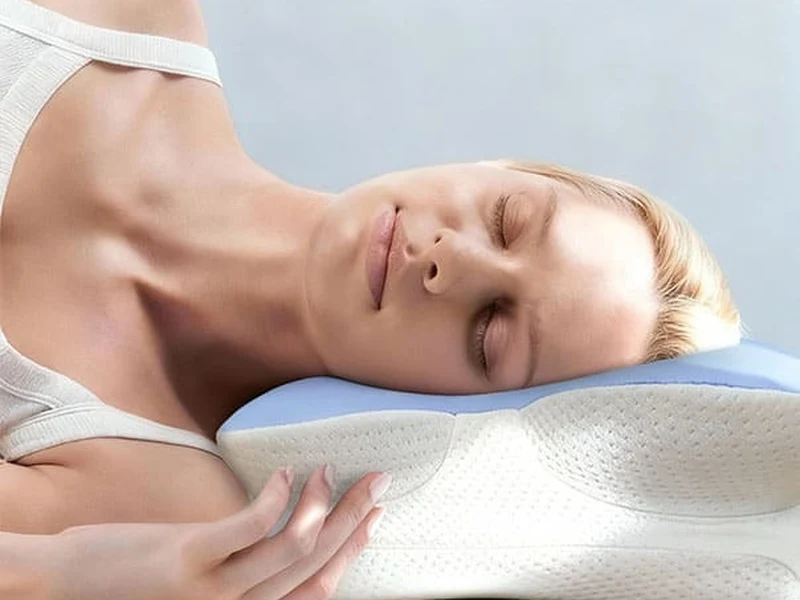
- Features with real reasoning: enough loft to keep the neck neutral without pushing the chin down, side wings or a contoured centre that encourages side-sleeping, and firmness that holds shape all night. Cooling and anti-allergy layers are comfort features, not snoring features.
- Claims that should stop a purchase: any promise to 'end', 'cure' or 'eliminate' snoring, any mention of improving your oxygen levels, any suggestion that a pillow substitutes for apnea treatment, and precise success percentages with no independent study behind them.
- The single most valuable check costs nothing: if snoring comes with witnessed breathing pauses, gasping awake, daytime sleepiness, morning headaches or high blood pressure, the purchase to make is a doctor's appointment. A pillow in that situation is a delay dressed as a solution.
The anti-snoring pillow category is unusual because the core idea is sound and the marketing around it is routinely not. Posture genuinely affects snoring — that's why «try sleeping on your side» is advice older than the internet. The trouble starts when a $70 pillow is sold as a cure for something that might be a medical condition. This guide is about staying on the useful side of that line.
Step 1: Work out whether you're the right buyer
| Your situation | What to do |
|---|---|
| Mild snoring, worse on your back, no other symptoms | A contoured pillow is a reasonable thing to try |
| Your current pillow is flat, collapsed or clearly the wrong height | Replacing it is worth doing on comfort grounds alone |
| Loud, nightly snoring | Get evaluated before spending on products |
| Any apnea warning sign (below) | Doctor first — a pillow is the wrong purchase |
| Snoring plus nasal blockage or allergies | Treat the nose; a pillow won't address obstruction |
Step 2: The warning signs that override everything
Check yourself honestly against this list before shopping. Any single item is enough:
- Someone has seen you stop breathing while asleep
- You gasp, snort or choke yourself awake
- You're sleepy during the day despite spending enough hours in bed
- You wake with headaches or a very dry mouth
- You have high blood pressure
- You wake up feeling unrefreshed, most mornings
These point toward obstructive sleep apnea. It's diagnosed with a sleep study and treated medically — and untreated, it carries real cardiovascular risk. No pillow, strip, spray or mouthguard bought online changes that. This is the part of the guide we'd keep if we had to delete the rest.
Step 3: Features that earn their price
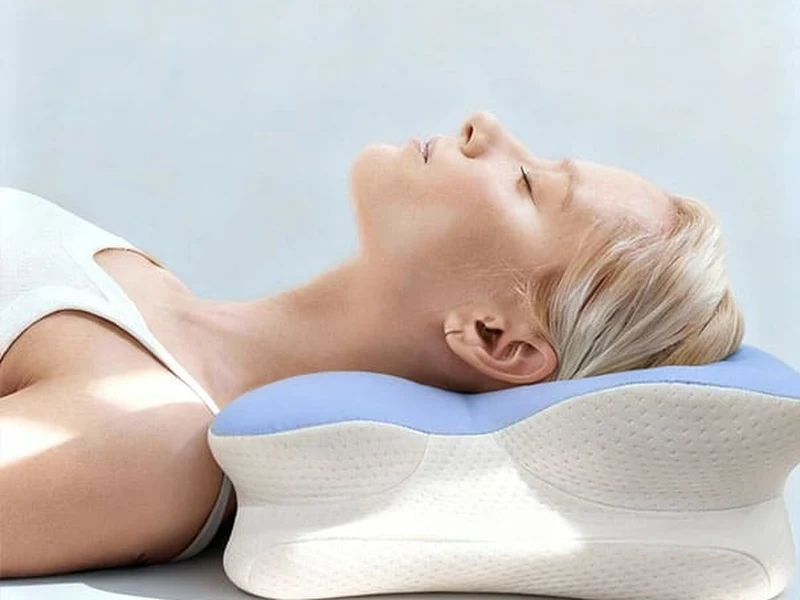
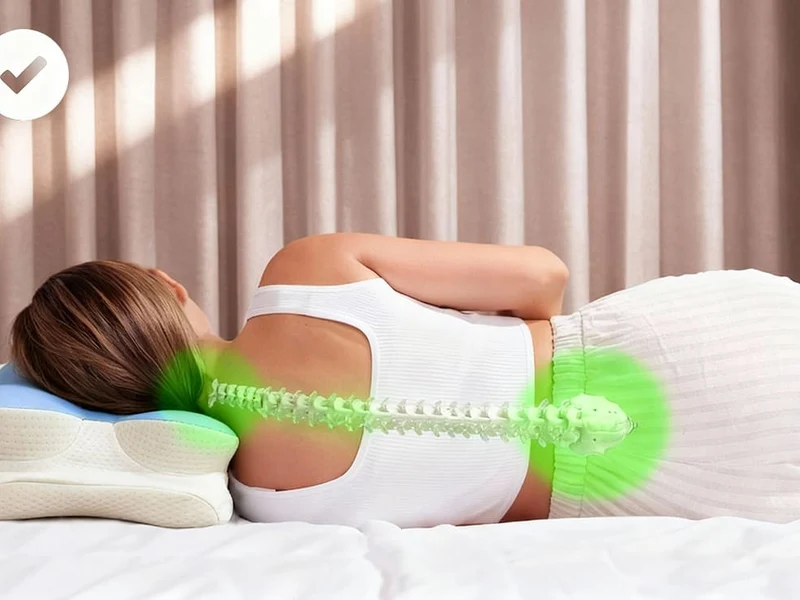
- Loft matched to your sleeping position. The goal is a neutral neck: level with the spine on your side, not tipped forward on your back. Too high pushes the chin toward the chest and can make snoring worse — the exact opposite of the intent.
- A contoured centre and raised side wings. Their real job is making side-sleeping comfortable enough that you stay there, since side-sleeping is what actually reduces positional snoring.
- Foam that holds shape. Resilient memory foam that's still supporting you at 5am. A pillow that flattens by midnight stops working exactly when you need it.
- Genuine size. Wing designs need width to work — the Melara Max we reviewed runs 62 x 36.5 cm, which is the ballpark a wing design needs.
- Cooling and hypoallergenic covers. Worth having, and honestly labelled: these help comfort and allergies. They do nothing for snoring.
Step 4: The claims that should stop a purchase
Close the tab on: «ends snoring at the root», «cures» or «eliminates» snoring, anything about raising your oxygen levels (that's apnea's territory, and a pillow doesn't go there), any hint that the product replaces apnea treatment, and precise success percentages with no study you can actually read. Also learn to read the logo strip: CBS, NBC, Fox News, Yahoo Finance, Benzinga, Digital Journal and Global Newswire appearing together is the fingerprint of paid press-release syndication, not newsroom testing. Our research playbook shows how to verify it quickly.
Step 5: Check the return terms before you pay
Sleep products are impossible to judge from a product page — you have to sleep on one for a couple of weeks. That makes the return window the most important commercial term, and it's frequently the vaguest thing on the page. «Risk-free trial» is a phrase, not a policy: look for an actual number of days, who pays return shipping, and whether an opened pillow qualifies. If no window is stated, ask support in writing before ordering.
The short version
Run the apnea checklist first — if anything on it applies, book an appointment rather than a delivery. If you're clear and your snoring is mild and positional, buy on loft, shape, foam quality and size, not on promises. Treat cooling and hypoallergenic layers as comfort extras. Discount every «cure» and every oxygen claim entirely. And pin down the return window in writing, because two weeks of actual sleep is the only real test there is.
Frequently asked questions
Who actually benefits from an anti-snoring pillow?
Someone with mild, positional snoring — the kind that's worse on your back and better on your side — who's currently sleeping on a flat, collapsed or wrong-height pillow, and who has no signs of sleep apnea. For that person, better head and neck alignment is a reasonable, low-cost thing to try. If snoring is loud and nightly, or comes with any apnea warning sign, the pillow isn't the right product regardless of how good it is.
What features are worth paying for?
Loft matched to how you sleep: high enough that a side-sleeper's neck stays level with the spine, not so high that a back-sleeper's chin is pushed toward the chest. A contoured centre and raised side wings that make side-sleeping comfortable enough to stay there. Firm, resilient foam that holds its shape until morning rather than flattening by 2am. Size matters too — wing designs need to be genuinely wide to work. Cooling and hypoallergenic covers are real comfort benefits, but they don't affect snoring.
What claims are red flags on an anti-snoring pillow?
'Ends snoring at the root', 'cures snoring', 'eliminates snoring in one night', anything about raising your oxygen levels or blood oxygenation, and anything implying it works for sleep apnea. Also treat press-release logo strips — Benzinga, Digital Journal, Global Newswire, wire syndication — as distribution, not editorial review. And be sceptical of a precise success rate with no readable independent study.
Can a pillow treat sleep apnea?
No. Obstructive sleep apnea involves repeated collapse of the airway during sleep, causing breathing pauses and oxygen drops. It's diagnosed with a sleep study and treated medically — most commonly with CPAP, and sometimes with oral appliances fitted by a dentist or specialist, or surgery. Positional therapy can be part of a plan for some people, but that's a clinician's call within a diagnosed treatment approach, not a substitute for one. A pillow sold online is not apnea treatment.
Related reading
More buying guides →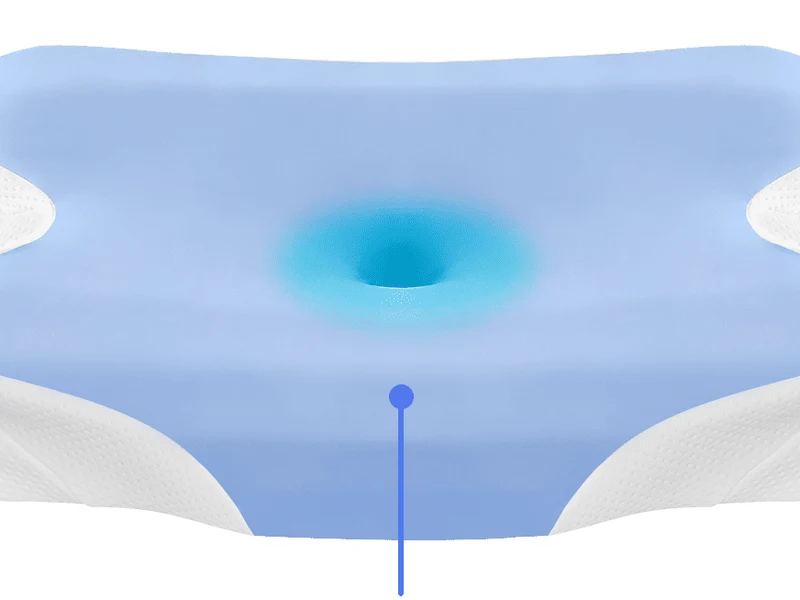
Melara Max Review: Can a Pillow Actually Stop Snoring?
Melara Max promises to end snoring through posture. What a contoured pillow can realistically do, the sleep-apnea signs it can't fix, and the price facts.
Do Anti-Snoring Pillows Work? The Airway Science, Explained
Why snoring happens, how head position changes the airway, what a contoured pillow can genuinely alter, and the hard line between snoring and sleep apnea.
Sleep Tech's 2026 Shift: From Tracking Your Sleep to Selling You a Fix
Sleep products moved from measuring problems to promising solutions in 2026. What's driving the shift, and how to read anti-snoring claims critically.