Do Anti-Snoring Pillows Work? The Airway Science, Explained
Snoring is a mechanical event with a mechanical explanation, which makes it one of the easier sleep topics to understand honestly. This explainer covers what actually vibrates and why, how head and jaw position widen or narrow the airway, what a contoured pillow can plausibly change, and — most importantly — the line between ordinary snoring and obstructive sleep apnea, which no pillow crosses.
Published · Facts checked against the official product page
Key takeaways
- Snoring is vibration. When you sleep, the muscles holding your throat open relax; if the passage narrows enough, airflow makes the soft tissue flutter — and that flutter is the sound. Anything that narrows the airway makes it louder.
- Head position changes the airway's width in a way you can feel while awake: tuck your chin to your chest and breathing gets tighter, lift and neutralise it and the passage opens. That's the entire mechanism behind every anti-snoring pillow.
- Side-sleeping matters more than the pillow itself. On your back, gravity pulls the tongue and soft palate toward the back of the throat; on your side, it doesn't. A good pillow's most useful trick is making side-sleeping comfortable enough to stay in.
- Obstructive sleep apnea is a different thing that happens to sound similar. There, the airway repeatedly collapses shut, breathing stops for seconds at a time, and oxygen falls — which is why it carries cardiovascular risk and why it needs medical diagnosis. Posture is not a treatment for it.
Snoring is one of the few sleep topics with an honest, mechanical answer. It isn't mysterious and it isn't metaphorical — something is physically vibrating, and you can reason about what changes that. Ten minutes here tells you exactly what a pillow can and cannot do, and where the category's marketing quietly steps over a medical line.
What's vibrating, and why
While you're awake, muscle tone keeps the airway at the back of your throat comfortably open. As you fall asleep, that tone drops — the passage gets narrower and floppier. Push air through a narrowed, slack passage and the soft palate and surrounding tissue flutter. That flutter is the sound.
Everything that makes snoring worse works through the same lever: narrowing the passage or loosening the tissue. A blocked nose forces mouth-breathing. Alcohol relaxes the muscles further. Congestion swells the lining. Sleeping on your back lets gravity work against you. And a badly angled head bends the airway. That last one is the only item on the list a pillow touches — which is both the promise and the limit of the entire category.
The experiment you can run right now
Sit up and tuck your chin firmly to your chest. Breathe in. Notice the tightness — you've physically narrowed your own airway. Now lift your head to neutral and breathe again. It opens.
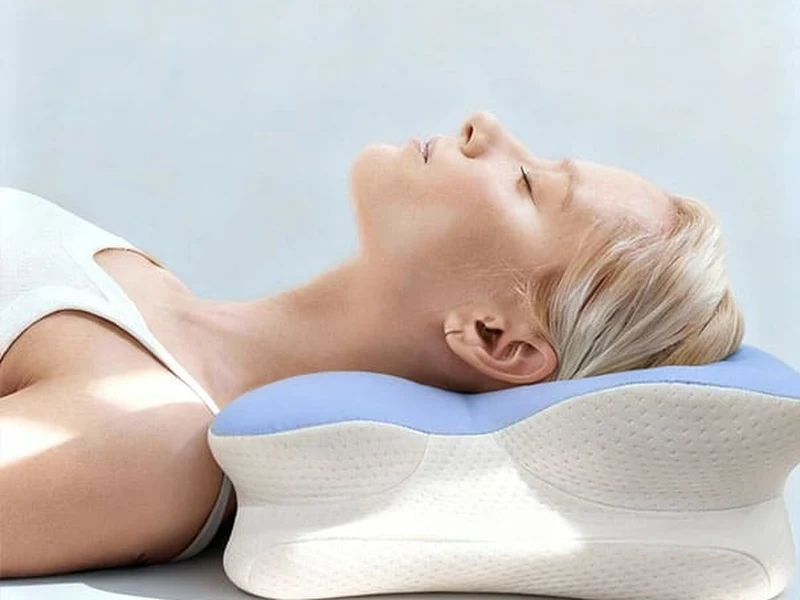
That's the whole mechanism. During sleep, a pillow that's too flat lets the head tip back and the jaw hang slack; one that's too high pushes the chin toward the chest. Both narrow the passage, both increase the flutter. A well-shaped pillow aims at the middle: the neck level with the spine, the jaw supported, the airway as open as your anatomy allows. It's a real effect, and it's the honest reason contoured pillows exist.
The bigger lever: which side you're on
Here's the part that matters more than the foam. Lying on your back, gravity pulls your tongue and soft palate backward, toward the very wall of the throat where snoring is generated. Lying on your side, gravity pulls them sideways instead, and the passage stays wider. That's why some people snore like a chainsaw on their back and go quiet within a minute of rolling over.
Which reframes what a wing-shaped pillow is really doing. Its most valuable function isn't the alignment geometry printed on the sales page — it's making side-sleeping comfortable enough that you stay there all night instead of rolling back at 3am. That's a genuine, useful, unglamorous job, and it's the fair way to judge products like the Melara Max: not «does it cure snoring» but «does it make my side-sleeping last until morning».
The line no pillow crosses
Now the distinction that matters more than everything above. In ordinary snoring, the airway is narrowed but air still flows. In obstructive sleep apnea, the airway repeatedly collapses shut. Breathing genuinely stops — often ten seconds or longer, sometimes dozens of times an hour. Each pause drops blood oxygen and pulls the sleeper toward waking to restart breathing, which is why people with apnea can spend eight hours in bed and feel wrecked, and why the condition is linked to high blood pressure and cardiovascular risk.
From the next pillow over, the two can sound similar — loud snoring punctuated by silences. That similarity is precisely why the warning signs matter: witnessed breathing pauses, gasping or choking awake, daytime sleepiness despite enough hours, morning headaches, high blood pressure. Apnea is identified with a sleep study and treated medically. Positional approaches can play a supporting role inside a clinician's plan, but they are not the treatment and no consumer product substitutes for one.
This is also where the category's marketing gets careless. When a pillow page borrows apnea's health stakes — oxygen levels, cardiovascular consequences — to sell relief for ordinary snoring, it's mixing two things that need to stay separate. Our buying guide works through how to shop once you've kept them apart.
Frequently asked questions
What is actually making the snoring sound?
Soft tissue vibrating. While you're awake, muscles keep the airway at the back of your throat open. As you fall asleep those muscles relax, and the passage narrows. Air moving through a narrowed, floppy passage makes the soft palate and surrounding tissue flutter, the same way air makes a flag ripple. The narrower the passage, the faster the airflow and the louder the vibration — which is why anything that narrows things further, from a cold to alcohol to sleeping on your back, makes snoring worse.
How does head position change snoring?
It changes the shape of the airway directly, and you can test it awake. Drop your chin to your chest and notice how breathing feels tighter — you've physically narrowed the passage. Now lift to neutral and it opens. During sleep, a pillow that's too flat lets the head tip back and the jaw fall slack; one that's too high pushes the chin down. Either way the airway narrows and vibration increases. Neutral alignment is the target, and it's the one variable a pillow can genuinely influence.
Why does sleeping on your side help?
Gravity. Lying on your back, your tongue and soft palate fall backward toward the throat wall, narrowing the passage at exactly the point where snoring originates. Roll onto your side and gravity pulls them sideways instead, leaving the airway wider. This is why positional snoring is a recognised pattern and why side-sleeping is a standard first suggestion. The most useful thing a contoured pillow does is make side-sleeping comfortable enough that you actually stay there all night.
What's the difference between snoring and sleep apnea?
Snoring is noise from a partly narrowed airway — air still flows. In obstructive sleep apnea, the airway repeatedly collapses closed and breathing actually stops, often for ten seconds or more, dozens of times an hour. Each pause drops blood oxygen and jolts the body toward waking, which is why apnea causes daytime exhaustion and is linked to high blood pressure and cardiovascular risk. They can sound alike from the next pillow, which is exactly why witnessed breathing pauses, gasping awake and daytime sleepiness warrant a sleep study rather than a shopping decision.
Related reading
More explainers →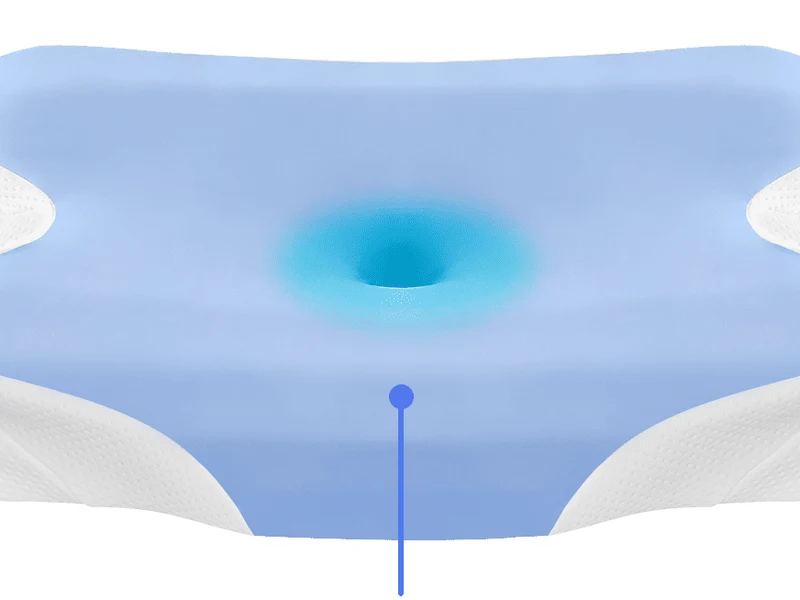
Melara Max Review: Can a Pillow Actually Stop Snoring?
Melara Max promises to end snoring through posture. What a contoured pillow can realistically do, the sleep-apnea signs it can't fix, and the price facts.
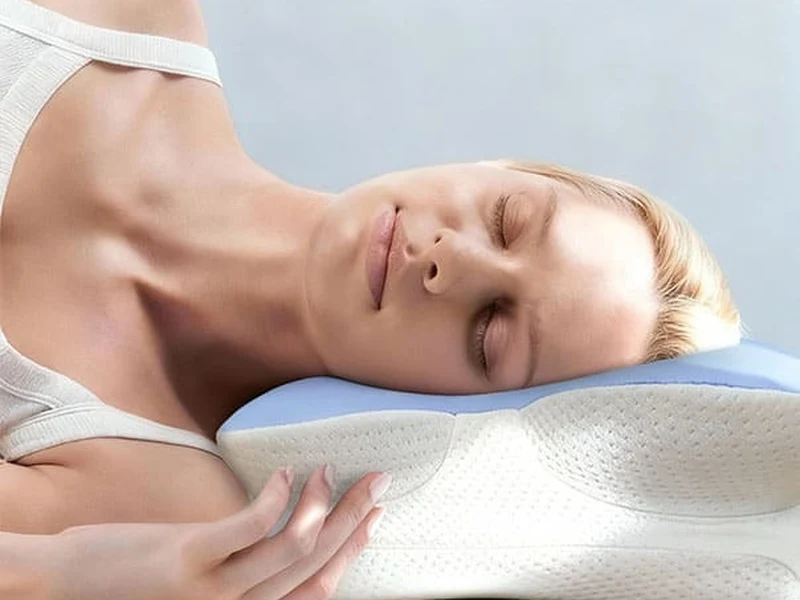
Anti-Snoring Pillow Buying Guide 2026: What Works, What's Marketing, When to See a Doctor
Which anti-snoring pillow features have real reasoning behind them, which claims are red flags, and the sleep-apnea signs that mean skip the pillow entirely.
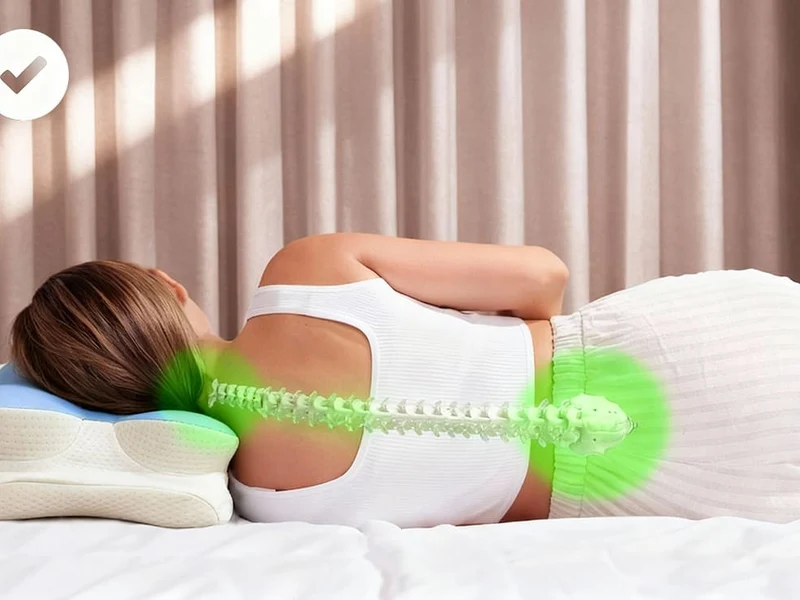
Sleep Tech's 2026 Shift: From Tracking Your Sleep to Selling You a Fix
Sleep products moved from measuring problems to promising solutions in 2026. What's driving the shift, and how to read anti-snoring claims critically.