Foot-Care Advertorials Have Found a New Target: Your Bunion
Bunion correctors are climbing US foot-care demand fast, and almost all of the traffic arrives through long-form advertorials written as health journalism. The devices are usually reasonable. The claims stack around them follows a pattern that repeats across the category — and once you can see the pattern, the pages become easy to read.
Published · Facts checked against the official product page

Key takeaways
- Non-surgical bunion devices are among the fastest-growing foot-care categories in US e-commerce, and the channel is almost entirely advertorial rather than product page.
- The claim stack repeats: a specific correction timeline, an uncited percentage from a study, a named specialist with no verifiable registration, an «N out of 10 specialists» line, and a row of press logos.
- The format works because surgery is expensive, slow and frightening, and an at-home alternative answers a real fear. The problem is that the alternative is presented as equivalent rather than as symptom relief.
- Our rule for the wave: judge the device on comfort and the returns window, and treat every uncited number as decoration until a link appears.
Foot care is not usually where e-commerce trends start. This year it is: non-surgical bunion devices are climbing US demand fast, and almost none of that traffic arrives at a product page. It arrives at a story — 1,500 words, first person or reported, formatted as health journalism, ending at a checkout.
Why this category, and why now
Because the alternative is genuinely daunting. Bunion surgery is expensive, involves weeks of limited weight-bearing, and carries the ordinary fear any operation does. The condition itself is common, visible, and gets slowly worse. That combination — a real problem, an unappealing solution, and a long wait — is the most fertile ground direct-response marketing has.
So the format is answering a real question. That's why it works, and it's also why the overstatement matters: the people reading are worried, and worried readers extend more trust than browsing ones.
The claim stack, which repeats
Across the pages in this category, the same five elements appear in roughly the same order:
- A correction timeline in days or weeks — the promise that distinguishes the page from a comfort product
- A percentage from a study, with a participant count and no citation
- A named specialist, with a title and years of experience but no registration, clinic or publication
- «Recommended by N out of 10 specialists», without naming any of them
- A row of press logos, unlinked
The current example on our board runs all five. Our review takes them one at a time — and, separately, finds the same page reporting two different customer counts, 126,483 in the header against 8,714 in the ratings block.
The devices are mostly fine
This is worth saying clearly, because scepticism about a page is not the same as scepticism about a product. Hinged splints, spacers and pads relieve pressure on an inflamed joint, and that relief is real and worth paying for. What they do not do is reverse a skeletal deformity in an adult foot — not because these particular ones are bad, but because of how bunions work.
How we're reading the wave
Judge the hardware on two things: whether you would actually wear it for six weeks, and how long the returns window is. Treat every uncited number as decoration until a link appears. And note whether the page ever suggests getting the foot assessed — because for a progressive joint condition, that omission is the one that costs readers something. The format-by-symptom decision is in our bunion corrector buying guide.
Frequently asked questions
Why are bunion devices selling so hard right now?
Because bunion surgery is expensive, involves weeks off your feet, and frightens people — and because the condition is common, visible and progressively uncomfortable. An at-home device that promises to avoid all of that answers a genuine fear. That's a real need, and it's why the format converts.
Is the advertorial format itself a red flag?
Not on its own — it's legal where labelled, and the pages we looked at do carry disclosures. The flag is what happens inside: a story arc needs surgery to be the villain, and once it is, the page has a structural reason to overstate what the device does.
How do I check one in 30 seconds?
Look for a link behind the study. Look for a registration or clinic behind the named specialist. Check whether the customer count in the header matches the one in the reviews block. And see whether the page ever tells you to get the foot looked at. Most fail all four.
Related reading
More news & trends →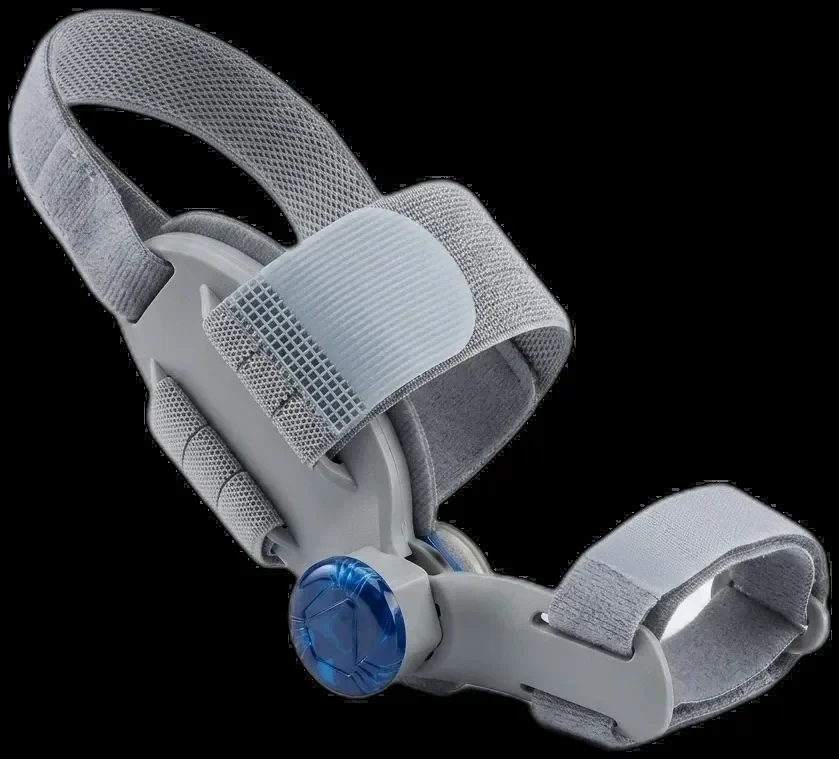
Hallux Bunion Corrector Review: What a Night Splint Can and Cannot Do
A hinged bunion splint with a tension dial, sold as at-home realignment. What the evidence supports, and what «one week» cannot mean.
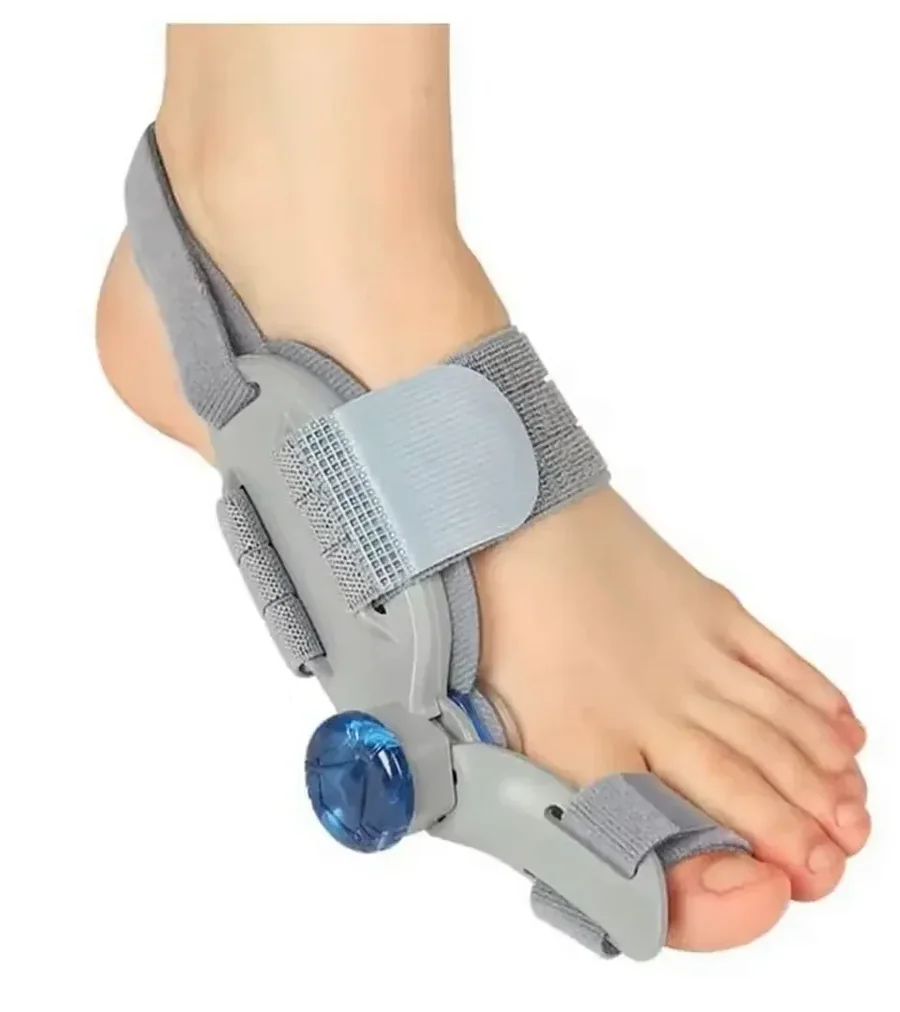
Bunion Corrector Buying Guide 2026: Relief Is Real, Correction Is Marketing
Splints, spacers, sleeves and pads do different jobs. How to pick by symptom, what the evidence supports, and the claims that should make you close the tab.
What Actually Causes a Bunion — and Why the Bump Isn't the Problem
Hallux valgus is a shift in the bones of the big-toe joint, not a growth. Why it progresses, and what a strap can and cannot change.