Bunion Corrector Buying Guide 2026: Relief Is Real, Correction Is Marketing
Four device formats compete for the same foot, and the honest difference between them is smaller than the marketing suggests. This guide sorts them by what they actually do, sets out the three things worth checking before buying, and names the claims that indicate a seller has stopped caring whether they're true.
Published · Facts checked against the official product page
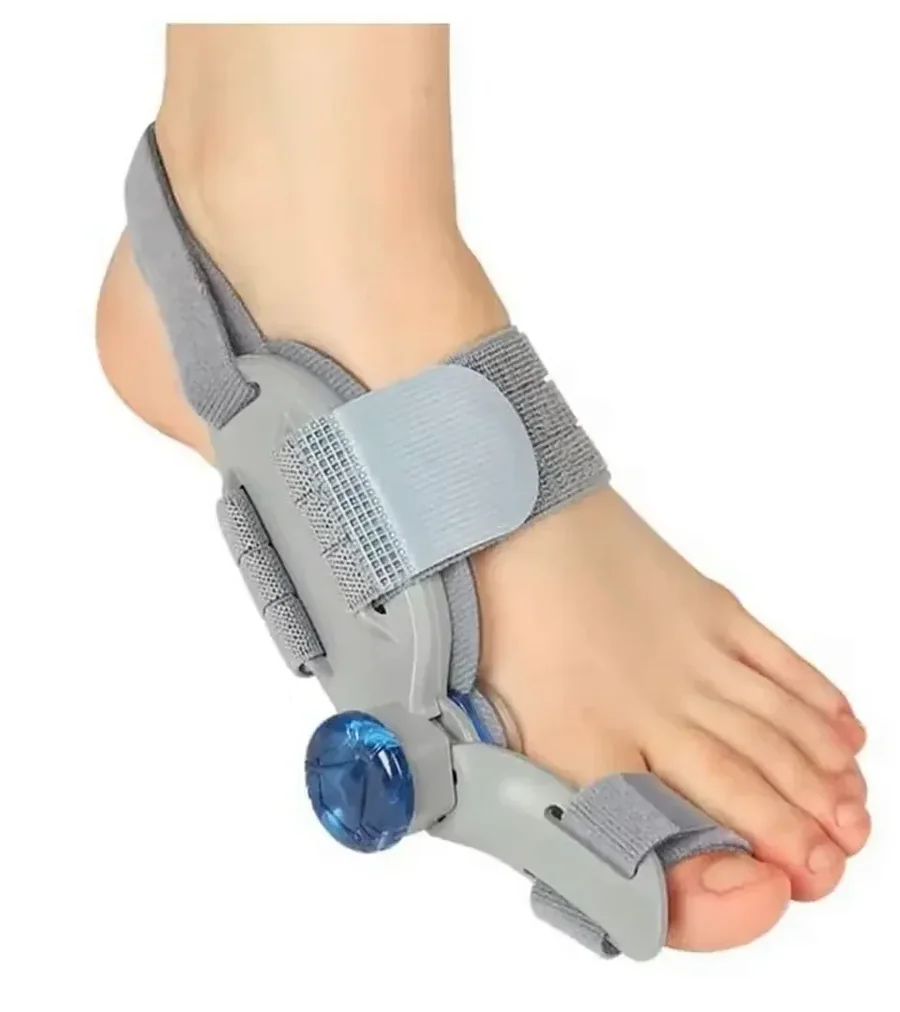
Key takeaways
- Four formats: rigid night splints, soft sleeves, toe spacers and bump pads. All four are recognised for symptom relief; none has good evidence for permanently correcting an adult bunion.
- Night splints are the most aggressive and the least wearable. Comfort decides adherence, and adherence decides whether you get any benefit at all — which is why adjustable tension matters more than maximum tension.
- Three things to check: whether it's meant for barefoot or in-shoe wear, whether the sizing covers your foot, and what the returns window is. Most pages publish the third and skip the first two.
- Claims that should end the visit: a specific correction timeline in days or weeks, a percentage improvement with no citation, and «recommended by N out of 10 specialists» without naming one.
Search «bunion corrector» and you will be told, repeatedly and confidently, that a strap can undo a deformity that took a decade to form. The devices themselves are often fine. The framing is where the category goes wrong, and knowing the difference makes shopping it straightforward.
The four formats
Rigid night splints. A hinged frame that holds the big toe in a straighter line while you sleep. The most aggressive format and the least wearable — too bulky for shoes, and only useful if you tolerate it enough to keep using it.
Soft sleeves. A fabric or gel wrap that stays on inside footwear. Less positional influence, far more hours of wear, and most bunion pain happens in shoes.
Toe spacers. A wedge between the first and second toes. Cheapest, simplest, and genuinely useful when the complaint is the toes rubbing rather than the joint aching.
Bump pads. Padding over the prominence. Does nothing positional; stops the bump being pressed by a shoe, which for many people is the whole problem.
All four relieve symptoms. None has good evidence for permanently changing an adult bunion's angle. Any page that says otherwise is selling past the data.
Comfort beats correction force
This is the counter-intuitive part. The strongest splint is not the best splint, because a device worn for two nights and abandoned delivers nothing at all. Adjustable tension is the feature that matters — not because a higher setting corrects more, but because a lower one gets tolerated, and tolerated is what gets worn.
Judge these on whether you can imagine sleeping in it for six weeks. That question predicts the outcome better than any specification on the page.
Three things to check
Barefoot or in-shoe? The single most useful line on any product page, and the most often missing. A rigid splint is a night device; a sleeve is a day device. Buying the wrong one is the most common disappointment in this category. The Hallux Bunion Corrector states this plainly — barefoot, at rest — which is a point in its favour.
Sizing. Most of these are sold one-size-fits-all, which fits most feet badly at the extremes. If your shoe size is at either end, ask before ordering.
The returns window. Six to eight weeks of nightly wear tells you whether the pressure relief helps you. A 30-day window is tight for that; 90 days is comfortable.
Claims that should end the visit
A correction timeline in days. «Straighten your bunion in one week» is not a strong version of a true claim, it is a different claim. Bone does not move on that schedule.
A percentage with no citation. «89% of 312 participants» sounds like a study. Without a journal, a registration or a link, it is a sentence.
«Recommended by N out of 10 specialists.» If a page can count specialists, it can name one.
Press logos as endorsement. A row of network logos is a design element unless a specific article is linked.
What actually helps a bunion
Footwear, more than any device on this list. A wide toe box removes the force that drives progression, and it works every hour you are standing rather than only overnight. Combine that with a spacer or pad for the rubbing, a splint at night if it helps you sleep, and — the part no product replaces — an assessment that tells you what stage the joint is at. The mechanics behind all of it are in what causes a bunion.
Frequently asked questions
Do bunion correctors work?
For symptoms, yes — taking pressure off an inflamed joint reduces pain, and a spacer that stops the second toe rubbing helps. For correction, the honest answer is no: hallux valgus is a bone deformity, and by adulthood the joint has remodelled around it. Podiatric guidance describes conservative treatment as managing symptoms and slowing aggravation, not reversing the angle.
Night splint or daytime sleeve?
They solve different problems. A rigid night splint holds the toe in a corrected position while you sleep, which relieves pressure but is too bulky for shoes. A soft sleeve or spacer works inside footwear, where most bunion pain is actually generated. If you can only have one and you're on your feet all day, the daytime option usually wins on total hours of comfort.
Can a corrector stop my bunion getting worse?
It might reduce the aggravation — less rubbing, less pressure, less inflammation — and that is worth something for a progressive condition. But footwear does more. A wide toe box does more for bunion progression than any device sold to correct one, and it costs nothing extra if you were buying shoes anyway.
When should I see a podiatrist instead?
When the pain is worsening year on year, when the toe is starting to cross or under-ride its neighbour, when there's numbness or tingling, when the skin over the bump breaks down — and immediately, for any foot symptom, if you have diabetes or reduced sensation. Staging the joint is the single most useful piece of information, and no device substitutes for it.
Related reading
More buying guides →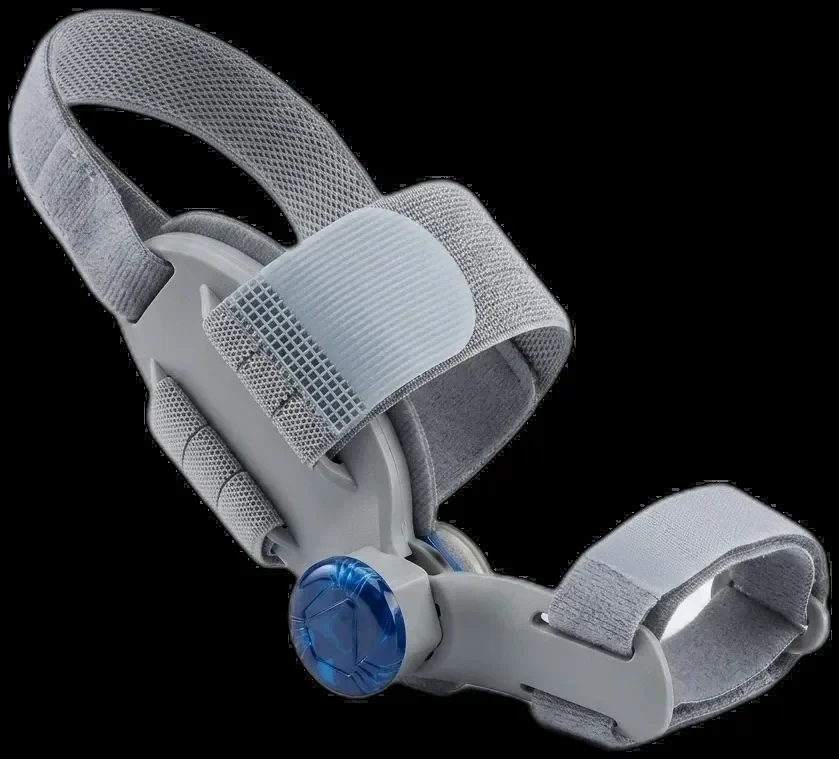
Hallux Bunion Corrector Review: What a Night Splint Can and Cannot Do
A hinged bunion splint with a tension dial, sold as at-home realignment. What the evidence supports, and what «one week» cannot mean.
What Actually Causes a Bunion — and Why the Bump Isn't the Problem
Hallux valgus is a shift in the bones of the big-toe joint, not a growth. Why it progresses, and what a strap can and cannot change.

Foot-Care Advertorials Have Found a New Target: Your Bunion
Non-surgical bunion devices are the fastest-growing foot-care category in US e-commerce, sold almost entirely through advertorials. How to read one.