Bunion Splint vs Toe Spacer vs Wider Shoes: What Each One Actually Buys You
A night splint, a toe spacer and a wider shoe attack the same problem from different angles and at wildly different prices. Compared by the measure that matters — hours of useful effect per day — the ranking is not the one the category advertises.
Published · Facts checked against the official product page
Key takeaways
- Measured in hours of useful effect per day, footwear wins by a distance: 12 to 16 standing hours against a splint's 8 lying-down ones.
- A night splint is the only one that applies corrective position, and the only one you cannot use while walking. It relieves pressure and helps sleep.
- A toe spacer is the cheapest thing that works inside a shoe, and the right answer when the complaint is toes rubbing rather than the joint aching.
- None of the three reverses the deformity. Two of the three are cheap enough that the question is which to start with, not which to choose.
Three things get bought for the same foot, at prices ranging from a few dollars to the better part of a hundred. Comparing them on the measure that actually matters makes the choice simpler — and cheaper — than the category would like.
Round 1: hours of useful effect
This is the one that decides it. A night splint works for the seven or eight hours you are asleep and off your feet — the hours in which the joint is under the least load anyway. Wider shoes work for the twelve to sixteen hours you are standing, walking and loading the joint. A toe spacer works whenever it is in, which for most people is also the standing hours.
Force applied during weight-bearing is the force that matters to a bunion. On that measure, footwear is not a supporting player.
Round 2: what each can change
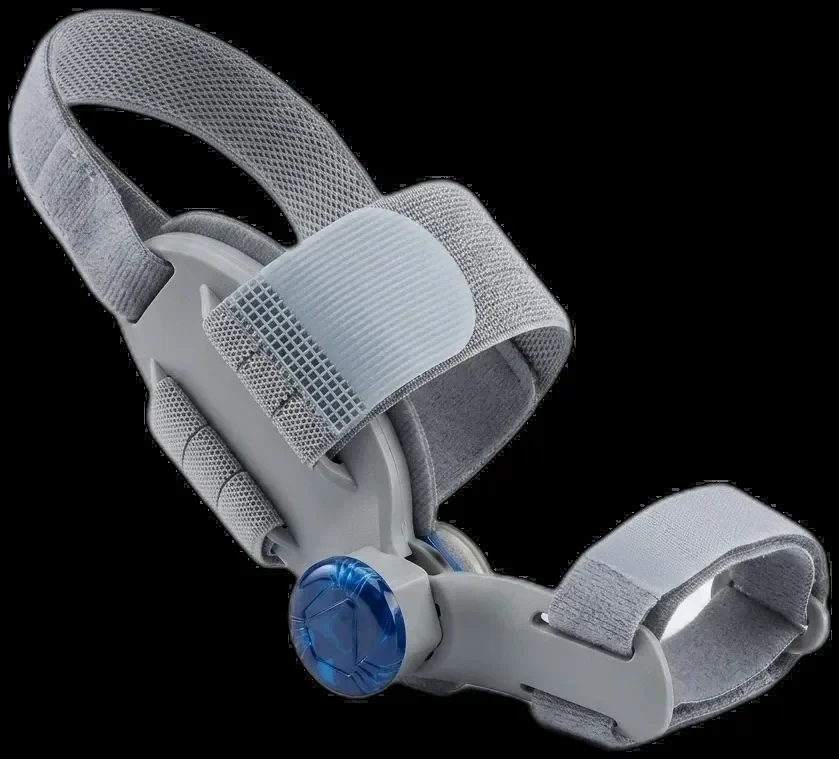
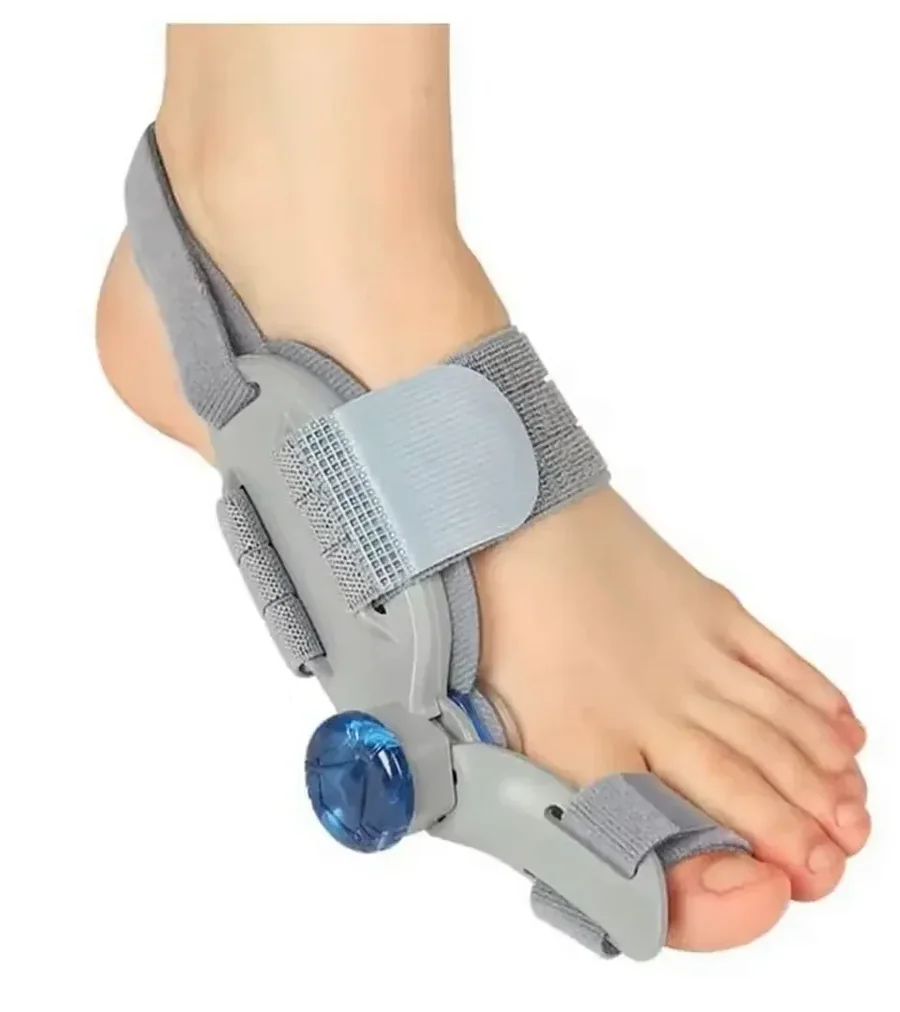
The splint is the only one that applies corrective position — it holds the toe in a straighter line. That is genuinely different from the other two, and it is why the category exists. What it cannot do is hold that line against the bowstring pull of the tendons during every step, which is why bunions progress.
The shoe removes force. The spacer separates the toes. Neither claims position, and neither needs to.
Round 3: cost
A spacer is a few dollars. A wide-toe-box shoe costs what a shoe costs — and if you were buying shoes anyway, the marginal cost of choosing a better shape is zero. A splint is the expensive one, and it is also the one most likely to be abandoned in the first fortnight.
Round 4: how each fails
The splint fails on tolerance: too tight, worn twice, drawer. This is why adjustable tension matters and maximum tension doesn't. The spacer fails on fit — in a tight shoe it adds pressure rather than relieving it, which is exactly backwards. Wider shoes fail on nothing mechanical; they fail because people don't want to change what they wear.
The answer, by symptom
Start here
- Joint aches by evening, worse in narrow shoes → wider toe box, first
- Second toe rubbing or overlapping → toe spacer
- Bump sore where the shoe presses → pad, cheapest fix available
- Morning stiffness and first-step pain → night splint is worth trying
Skip the device entirely
- Pain that is clearly worse than last year
- Big toe starting to cross or under-ride the second
- Numbness, tingling, or skin breaking down over the bump
- Any foot symptom at all if you have diabetes or neuropathy
The verdict on Hallux Bunion Corrector
If you're buying one thing, buy the shoe shape — it works during the hours that matter and it costs nothing extra when you were replacing shoes anyway. If you're buying two, add a spacer or a pad for wherever the rubbing actually is. A night splint like the Hallux Bunion Corrector is a reasonable third purchase for morning pain and sleep, bought as comfort with a 90-day window. What none of the three is, whatever the page says, is a substitute for having the joint looked at once.
Frequently asked questions
If wider shoes are best, why buy anything else?
Because they address force, not symptoms. A wide toe box stops the bunion being pushed, but it doesn't pad an already-inflamed joint or stop the second toe rubbing tonight. Most people end up with footwear as the base and one cheap device for the specific irritation.
Can I wear a night splint during the day?
Not inside shoes — rigid splints are too bulky, and the pages that sell them usually say so. Around the house barefoot, yes. If you want daytime help, that's a sleeve or a spacer.
Is an expensive splint better than a cheap one?
Mostly it buys comfort and adjustability, and those matter more than they sound: the splint that gets worn for six weeks beats the stronger one abandoned after two nights. What extra money does not buy is a different outcome for the bone angle.
What if none of them helps?
Then the question isn't which device. Pain that's worsening year on year, a toe starting to cross its neighbour, numbness, or skin breaking down over the bump all mean the joint should be staged by a clinician. That's an assessment, not a purchase.
Related reading
More comparisons →
Hallux Bunion Corrector Review: What a Night Splint Can and Cannot Do
A hinged bunion splint with a tension dial, sold as at-home realignment. What the evidence supports, and what «one week» cannot mean.
Bunion Corrector Buying Guide 2026: Relief Is Real, Correction Is Marketing
Splints, spacers, sleeves and pads do different jobs. How to pick by symptom, what the evidence supports, and the claims that should make you close the tab.
What Actually Causes a Bunion — and Why the Bump Isn't the Problem
Hallux valgus is a shift in the bones of the big-toe joint, not a growth. Why it progresses, and what a strap can and cannot change.