Calm Tech Goes Mainstream: Why Vagus Nerve Devices Are Trending in 2026
Calm-tech is having its breakout year, and vagus nerve stimulators are leading it. The trend sits on a rare combination — a genuine physiological mechanism, a burned-out audience, and a hardware answer to the meditation-app fatigue. Here's what's driving it, and the disclaimer-shaped caution that rides along.
Published · Facts checked against the official product page
Key takeaways
- Vagus nerve stimulators are the calm-tech breakout of 2026, led on our US board by Pulsetto — a neck-worn device promising relaxation in 4-minute sessions.
- The trend rests on a real mechanism (the vagus nerve's role in the relaxation response) meeting a burned-out audience tired of subscription meditation apps and reaching for hardware instead.
- The honest caveat travels with the trend: these are wellness devices carrying FDA disclaimers, not medical treatments — and several health groups need medical clearance before use.
- Our coverage treats the category the way we treat all health-adjacent products: mechanism explained, maker claims labeled as claims, safety cautions up front, and a return window as the real test.
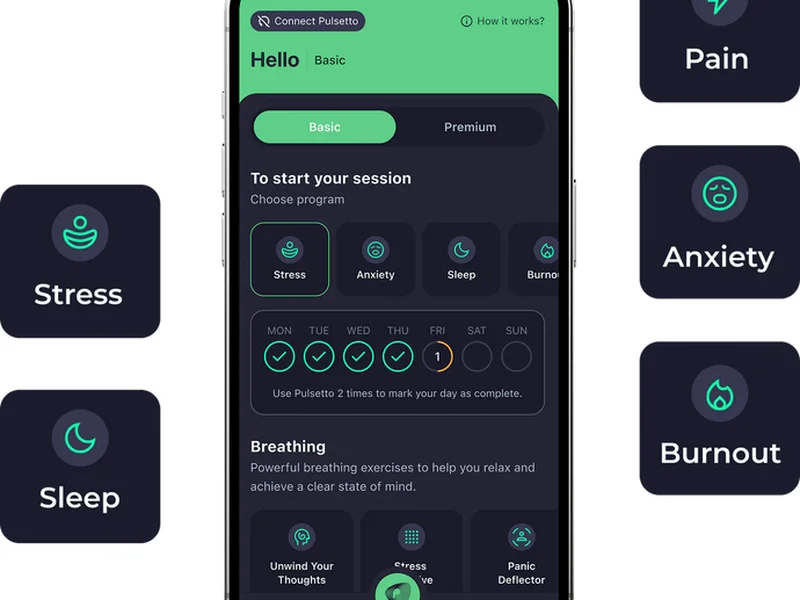
Every year has its breakout wellness category. In 2026 it's calm tech — and specifically, the vagus nerve stimulator, a device that promises to switch your nervous system out of stress mode at the push of a button. The trend leader on our US board, Pulsetto, is a neck-worn band running 4-minute sessions, and its rise is worth explaining because it sits on an unusually solid foundation for a viral wellness product.
Why now: three forces
First, a real mechanism. Unlike a lot of trending wellness gear, this category points at established physiology — the vagus nerve genuinely governs the body's relaxation response, as our explainer lays out. That gives the marketing something true to stand on. Second, a burned-out audience: chronic stress and burnout are mainstream conversations now, and the market for anything credibly labeled "calm" is enormous. Third, app fatigue: after a decade of subscription meditation apps, a segment of that audience wants a physical device they own rather than another monthly login — and a 4-minute, app-guided hardware session scratches exactly that itch.
The caveat that travels with it
Our research desk's job is to keep the caution attached to the excitement. These are wellness devices, not medical treatments — the leading products carry FDA disclaimers stating their claims aren't FDA-evaluated and they aren't meant to diagnose, treat, cure or prevent disease. The mechanism is real; the at-home consumer evidence is younger than the ad copy. And the standard caution groups — cardiac conditions, pacemakers and implants, epilepsy, pregnancy — need medical clearance before trying one. None of that makes the trend fake; it makes it a category to enter with open eyes and a return window.
How we're covering it
The same way we handle every health-adjacent breakout: the mechanism explained in plain terms, the maker's claims labeled as claims, safety cautions placed up front rather than in the footer, and a real money-back window treated as the honest test. Start with the vagus nerve explainer for the science, the buying guide for the checklist, and the Pulsetto review for the device itself. The live board tracks where it goes next.
Frequently asked questions
Why are vagus nerve devices suddenly everywhere?
Three forces converged: a genuine, well-understood mechanism (the vagus nerve's role in calming the body), a large audience of stressed and burned-out people, and fatigue with subscription meditation apps that primed demand for a hardware alternative. Add short, app-guided sessions and the category became social-feed friendly.
Is the vagus nerve trend backed by science or just hype?
Both, in layers. The mechanism is real and researched; the consumer-wearable evidence is younger than the marketing. That's why reputable devices carry FDA disclaimers. The trend is genuine and mechanism-backed — but the specific benefit claims belong to the makers to substantiate.
Which product is leading the vagus nerve trend?
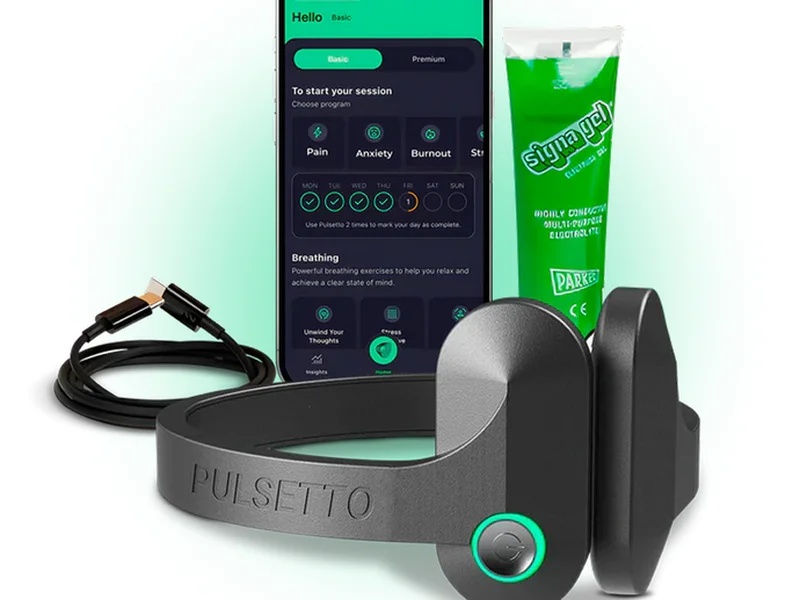
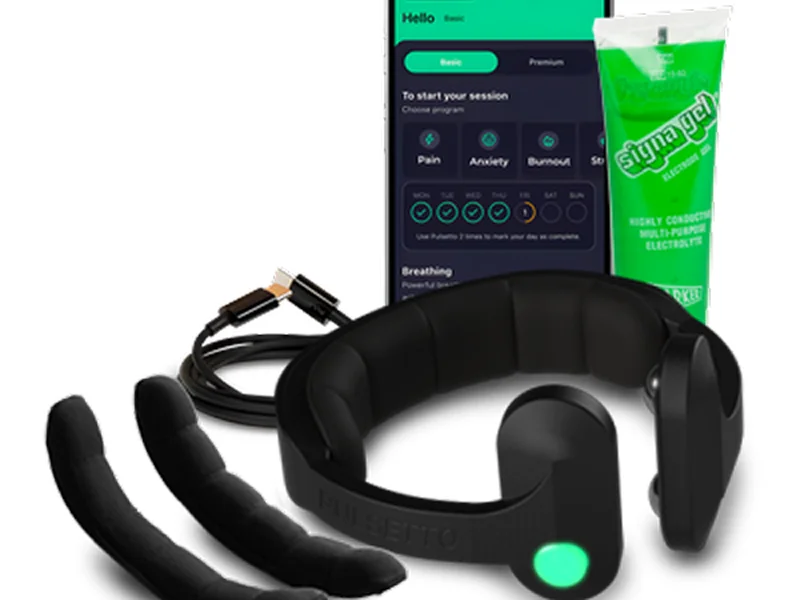
On our US board, Pulsetto — a neck-worn stimulator with 4-minute sessions, five app programs, a 30-day money-back guarantee and a stated 2-year warranty, from $296. Our full review and explainer cover what the science supports and where the limits are.
Related reading
More news & trends →
Pulsetto Review: Can a 4-Minute Vagus Nerve Zap Really Calm You Down?
Pulsetto is a neck-worn vagus nerve stimulator promising calm in 4 minutes across five app programs. What the science supports, the limits, and the fine print.
Vagus Nerve Stimulator Buying Guide 2026: What Matters (and What's Hype)
Vagus nerve devices promise calm at the push of a button. How to tell a serious product from a placebo gadget, the safety checks that come first, and what to ignore.
What Is Vagus Nerve Stimulation? The Science Behind the Calm-Tech Trend
The vagus nerve is the body's relaxation switch, and stimulating it is the idea behind 2026's calm-tech devices. What science supports and what's emerging.