The 'Banned by Surgeons' Advertorial Is 2026's Beauty Playbook — Read It Critically
A specific advertorial format is powering 2026's anti-aging beauty surge in US e-commerce: the 'banned by surgeons', suppressed-breakthrough, conspiracy-framed sales page, with GloraMD a current example. This piece decodes the shared persuasion playbook — not to shame the buyer it targets, but to arm them — and lays out the house rules for reading any dramatic beauty claim critically.
Published · Facts checked against the official product page

Key takeaways
- A recognizable advertorial format — 'banned by surgeons', a suppressed lab breakthrough, an industry made 'obsolete' — is powering a wave of US anti-aging serum sales in 2026, with GloraMD a current example on our board.
- The playbook is consistent: a villain (surgeons/the beauty industry), a persecuted hero (the suppressed formula), urgency (limited stock, rotating discount), dramatized testimonials, and a precise-sounding statistic with no independent study behind it.
- Understanding the format is protective, not judgmental: these pages are engineered to bypass ordinary skepticism, and naming the technique restores the reader's judgment without shaming anyone drawn in by it.
- House rules for any dramatic beauty claim: look for named (not proprietary) ingredients, discount conspiracy framing entirely, treat percentages without published studies as marketing, set expectations at 'temporary cosmetic improvement', and rely on the money-back guarantee plus a dermatologist for anything real.
Scroll far enough through US beauty e-commerce this year and you'll meet the same story on a dozen different products: a miracle formula «banned by surgeons», a «$127 million breakthrough» the industry «tried to suppress», a «$18 billion» business made «obsolete overnight». It's the anti-aging advertorial, 2026's dominant beauty-sales format, and GloraMD — currently on our board — is a textbook example. We're covering the format, because understanding it is the best protection a shopper can have.
The playbook, decoded
These pages are remarkably consistent, because the structure is what works. There's a villain (surgeons, «Big Beauty») who wants to keep you paying for expensive procedures. There's a persecuted hero — the formula they tried to bury. There's manufactured urgency (sold out «nationwide», a rotating «70% off» clock, «limited stock»). There are dramatized testimonials engineered for emotional identification. And there's a precise-sounding statistic — «99.7% of wrinkles in 15 hours» — that borrows the authority of science without an independent, published study you could actually read. Each element targets a different psychological lever; together they're built to move a reader past the skepticism a plain product page would trigger.
Naming the technique restores your judgment
This isn't about looking down on anyone who found one of these pages persuasive — they're professionally engineered to persuade, which is precisely the point. It's about naming the technique, because a persuasion device loses most of its power the moment you recognize it. «Banned by surgeons» isn't a credential; real breakthroughs get published and patented, not «banned». «Suppressed lab» isn't evidence; it's intrigue. A percentage without a study isn't data; it's a number chosen to sound like data. Seen clearly, the story stops working on you — and what's left is the ordinary question you can actually answer: is this a decent serum at a fair price? Our GloraMD review works exactly that question.
The house rules for the wave
For any dramatic anti-aging claim you meet this year: look for named ingredients, not «proprietary» ones (you can't evaluate what's hidden); discount conspiracy framing entirely — «banned», «suppressed», «they don't want you to know» are sales devices; treat percentages without published studies as marketing; set expectations at temporary cosmetic improvement, because that's the ceiling of topical skincare, per our skin-science explainer; and lean on the guarantee — a real money-back window is worth more than every dramatic sentence on the page combined. For anything your skin genuinely needs, a dermatologist beats any trending serum. The general anti-hype method lives in our research playbook, and the live board tracks where the wave goes next.
Frequently asked questions
Why are 'banned by surgeons' anti-aging ads everywhere in 2026?
Because the format works as persuasion. The anti-aging market is huge and emotionally charged, and the advertorial playbook — a suppressed breakthrough, a villainous industry, urgency and dramatic testimonials — is engineered to convert readers who'd resist a straightforward product page. Its spread reflects its persuasive efficiency, not the quality or evidence of the products behind it.
Does 'banned by surgeons' mean a product works?
No — it's a persuasion device, not a credential. Real breakthroughs are published and celebrated, not 'banned'; the framing exists to manufacture intrigue and urgency. Treat 'banned', 'suppressed' and 'the industry doesn't want you to know' as reasons for more skepticism, not less. Judge the product on disclosed ingredients and independent evidence instead.
How should I evaluate a dramatic anti-aging serum claim?
Strip the story and look at the substance: Are the active ingredients named and disclosed, or hidden behind 'proprietary'? Is there an independent, published study, or just a maker's percentage? Are expectations set at realistic cosmetic improvement, or at replacing surgery? Is there a genuine money-back guarantee? Those answers matter; the conspiracy narrative doesn't.
Related reading
More news & trends →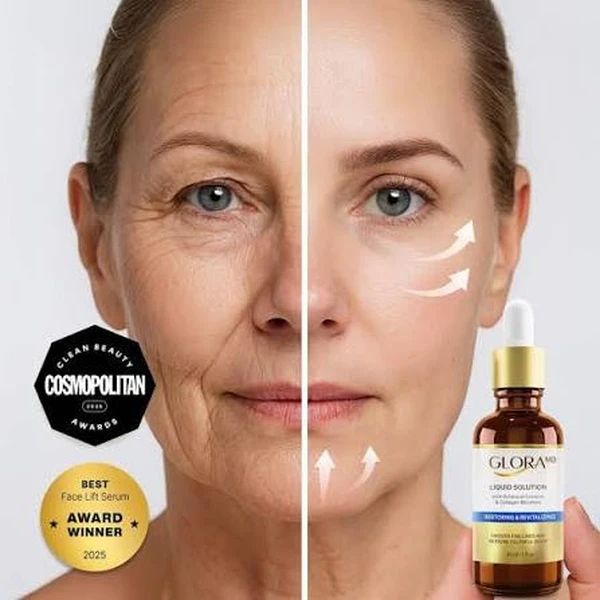
Serum vs Moisturiser vs Retinol: Which One Is Doing the Work
Three products in every anti-aging routine, and only one of them has decades of evidence for changing skin structure. What each layer is actually for.
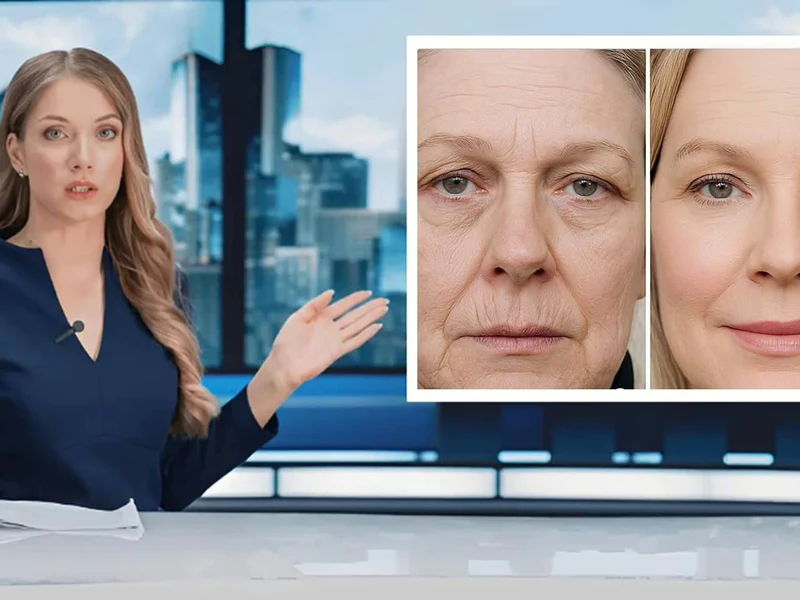
GloraMD Review: What an Anti-Aging Serum Can (and Can't) Actually Do
GloraMD is marketed with dramatic wrinkle claims. What the named ingredients realistically do, why the 'proprietary' gaps matter, and the guarantee facts.
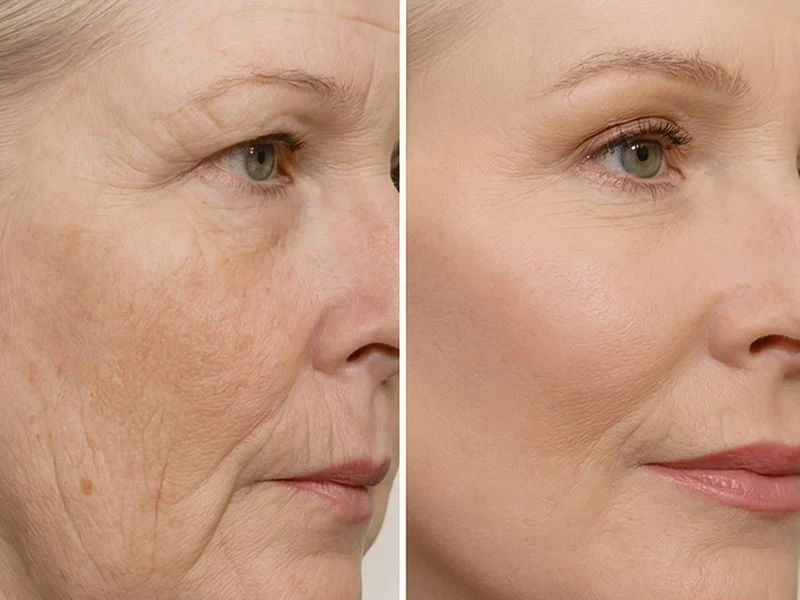
Anti-Aging Serum Buying Guide 2026: Ingredients That Work vs Marketing That Doesn't
Which anti-aging ingredients have real evidence, which claims are red flags, why 'proprietary' is a warning, and how to shop serums without overpaying for hype.