Anti-Aging Serum Buying Guide 2026: Ingredients That Work vs Marketing That Doesn't
The anti-aging serum aisle mixes genuinely evidence-backed ingredients with some of the most inflated marketing in consumer goods. This guide separates the two: the actives with real research behind them, the claims that should stop a purchase cold, why an undisclosed 'proprietary' formula is a warning rather than a feature, and how to shop for a serum that earns its place without paying for a conspiracy story.
Published · Facts checked against the official product page
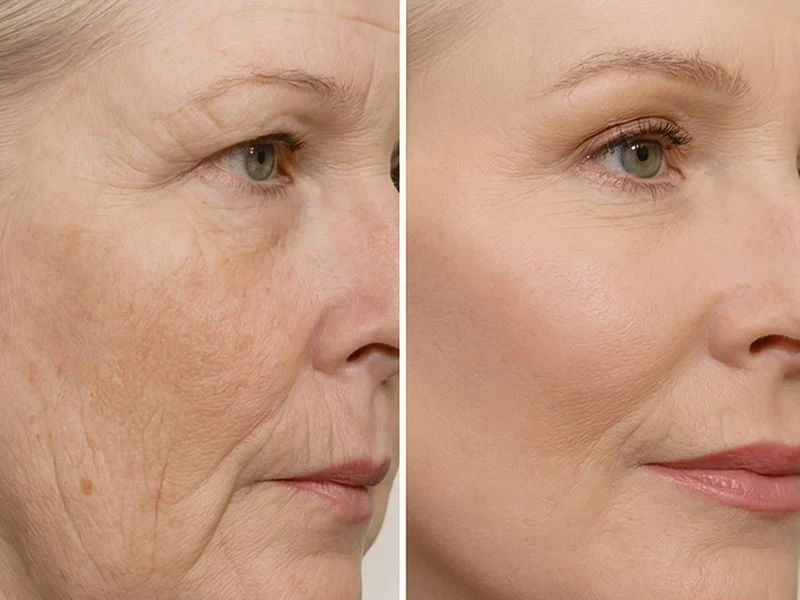
Key takeaways
- Evidence-backed anti-aging actives exist and are worth knowing by name: retinoids, vitamin C, niacinamide, peptides, hyaluronic acid and ceramides all have real research — and all deliver gradual, modest improvements, not overnight transformations.
- The claims that should stop a purchase: overnight or same-day 'wrinkle filling', 'better than surgery/fillers', 'banned by doctors/surgeons', suppressed-breakthrough conspiracy stories, and any percentage figure ('99.7%') without an independent, published study behind it.
- 'Proprietary' and 'clinically inspired' are marketing words, not quality signals. A serum that names and discloses its actives lets you check evidence and allergies; one that hides them behind a proprietary label asks for trust it hasn't earned.
- No serum replaces a dermatologist or a procedure. For a cosmetic improvement in how skin looks, a named-ingredient serum used consistently and behind a real money-back guarantee is the sensible buy; skepticism scales with the drama of the claims.
The anti-aging serum aisle is where genuine skincare science shares shelf space with some of the most inflated marketing in all of consumer goods. The good news: the ingredients that actually work are knowable and namable. The essential skill is telling them apart from the conspiracy stories — and refusing to pay a premium for the story.
The actives that earn their place
These have real, published evidence — and all of them work gradually:
- Retinoids — the most-studied anti-aging actives, supporting cell turnover and softening fine lines over weeks to months.
- Vitamin C — antioxidant protection and brightening, best used in a stable formulation.
- Niacinamide — supports the barrier, evens tone, calms redness.
- Peptides — signaling molecules that can support the appearance of firmness; the evidence depends heavily on which peptide, which is exactly why disclosure matters.
- Hyaluronic acid + ceramides — hydration and barrier support, delivering the temporary plumping that softens how lines look.
Notice what none of them do: transform your face overnight. Real actives deliver modest, cumulative improvement — the honest shape of skincare that works. Our serum explainer covers the mechanisms in depth.
The claims that should stop a purchase
Treat any of these as a reason to close the tab: overnight or same-day «wrinkle filling» (topicals don't work that fast or that deep); «better than fillers/surgery» (different category entirely); «banned by surgeons» / «the industry is suppressing this» (conspiracy framing is a sales device, not a credential); dramatized testimonials («I screamed»); and precise percentages with no readable study («99.7% of wrinkles») — a real result cites real, independent research you can actually find. The GloraMD advertorial, which our review assesses, uses several of these at once — a useful case study in the pattern.
Why 'proprietary' is a warning, not a feature
The single most useful habit in this aisle: prefer serums that name their actives. When a product discloses «X% niacinamide, Y peptide», you can check the evidence, judge the concentration, and screen for allergies. When it hides its hero ingredient behind «proprietary complex» or borrows credibility with «clinically inspired» (language that implies testing without claiming it), you're being asked to trust what you're not allowed to verify. Disclosure is a quality signal; secrecy is the opposite. This isn't a technicality — it's the difference between a product accountable to evidence and one accountable only to its own marketing.
How to actually shop
Match the product to the real goal. For everyday cosmetic improvement — smoother-looking, better-hydrated skin — a named-ingredient serum (retinoid, vitamin C, or a disclosed peptide plus hyaluronic acid) used consistently, bought behind a genuine money-back guarantee, is the sensible purchase. Scale your skepticism to the drama of the claims: the louder the «surgeons hate this», the tighter you hold your wallet. And for anything diagnosed — or any product promising structural change — a dermatologist is the right call, not a trending serum. The full anti-hype verification method lives in our research playbook.
The short version
Buy named actives with real evidence and realistic, gradual expectations. Treat overnight-transformation and anti-surgeon-conspiracy claims as reasons to walk away. Read «proprietary» as «undisclosed», and prefer serums that show their formula. Use a money-back guarantee as your safety net, a patch test as your first step, and a dermatologist — not a serum — for anything your skin actually needs diagnosed.
Frequently asked questions
Which anti-aging serum ingredients actually work?
The ones with real published evidence: retinoids (the most studied, for cell turnover and fine lines), vitamin C (antioxidant, brightening), niacinamide (barrier and tone), well-characterized peptides (signaling), and hyaluronic acid plus ceramides (hydration and barrier). All produce gradual, modest results over weeks to months — the opposite of the overnight transformations the aggressive marketers promise.
What anti-aging claims are red flags?
Same-day or overnight 'wrinkle filling'; 'better than Botox/fillers/surgery'; 'banned by surgeons' or 'the industry is trying to suppress this'; dramatized before/after testimonials; and precise-sounding percentages ('99.7%') with no independent study you can read. These devices signal marketing built to bypass judgment, not evidence built to earn trust.
Is a 'proprietary' or 'clinically inspired' formula better?
No — treat both as warnings, not features. 'Proprietary' means the active isn't disclosed, so you can't check its evidence, its concentration, or whether you're allergic to it. 'Clinically inspired' is language that borrows the credibility of clinical testing without claiming any actually happened. Prefer serums that name their actives plainly; disclosure is a quality signal, secrecy is not.
Do I need a prescription or a dermatologist instead?
For a cosmetic improvement in skin appearance, a good over-the-counter serum with named actives is a reasonable start. For diagnosed concerns — persistent acne, rosacea, melasma, suspicious spots, or genuine skin structure change — a dermatologist offers prescription-strength options and diagnosis that no trending serum can match. The two aren't competitors; know which problem you actually have.
Related reading
More buying guides →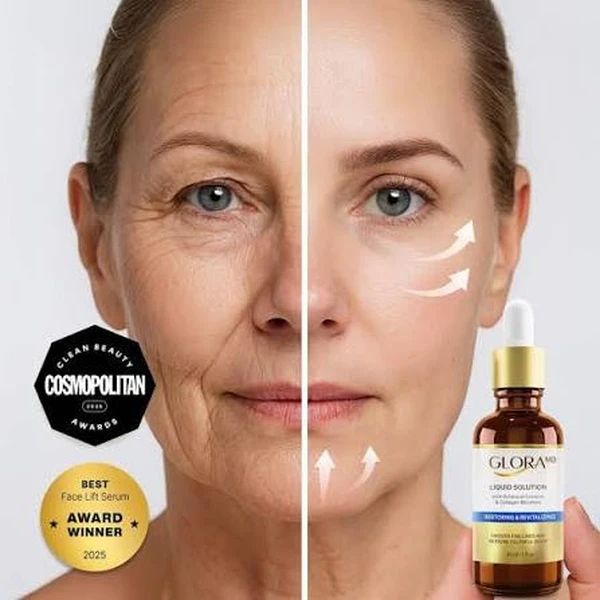
Serum vs Moisturiser vs Retinol: Which One Is Doing the Work
Three products in every anti-aging routine, and only one of them has decades of evidence for changing skin structure. What each layer is actually for.

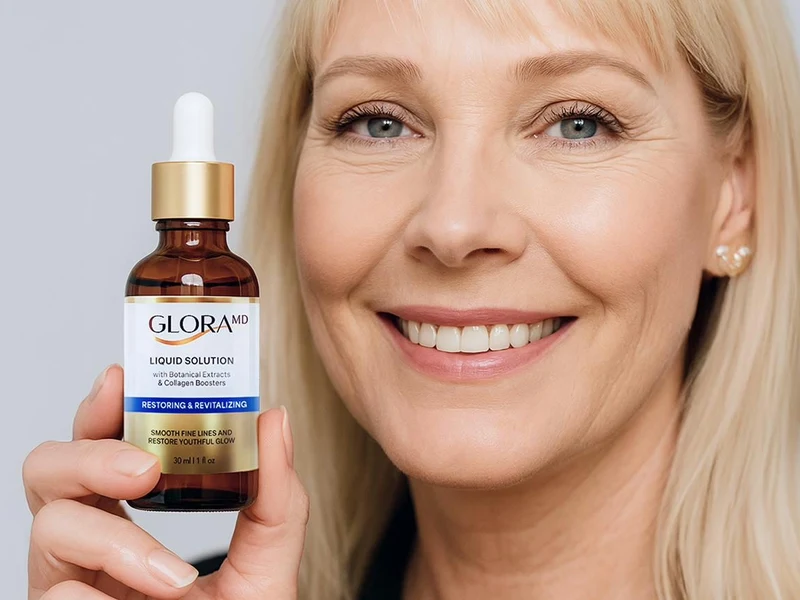
GloraMD Review: What an Anti-Aging Serum Can (and Can't) Actually Do
GloraMD is marketed with dramatic wrinkle claims. What the named ingredients realistically do, why the 'proprietary' gaps matter, and the guarantee facts.
Do Anti-Aging Serums Actually Work? The Skin Science, Explained
How skin ages, what serums can genuinely change at the surface, what they can't reach, and why 'fills wrinkles in hours' claims outrun the biology.