GloraMD Review: What an Anti-Aging Serum Can (and Can't) Actually Do
GloraMD is an anti-aging serum sold through an advertorial packed with dramatic, surgeon-baiting claims. Our review sets the marketing aside and assesses what's actually knowable: what the named ingredients (hyaluronic acid, ceramides) realistically do for skin, why an unnamed 'proprietary peptide complex' is a transparency gap rather than a selling point, the honest ceiling of any topical serum, and the guarantee terms that are the real consumer protection here.
Published · Facts checked against the official product page

Key takeaways
- GloraMD names two well-understood skincare ingredients — hyaluronic acid and ceramides — which genuinely hydrate and support the skin barrier, producing a temporary smoother, plumper look. That's a real, modest cosmetic effect, and it's different from what the marketing claims.
- The 'lifting' is attributed to a proprietary peptide complex that the page does not fully disclose. An unnamed formula is a transparency gap, not a feature: you can't assess what you can't see, and our health desk treats undisclosed 'proprietary' actives as a reason for caution.
- The headline claim — 'fills up to 99.7% of wrinkles in up to 15 hours' — and its supporting study are the maker's own, not independent research. No topical serum replaces fillers or surgery; a serum works at the skin's surface, temporarily.
- The checkout declares a 90-day money-back guarantee, on the badge and again in the Why Choose GloraMD panel. That guarantee, not the advertorial, is the real protection — and 90 days is long enough to judge a serum honestly.
GloraMD arrives wrapped in one of the most aggressive advertorials we've read this year — surgeons «banned» it, a «$127 million lab» was «suppressed», a «$18 billion industry» made «obsolete overnight». None of that is evidence, and we won't repeat it as fact. What we can do is the useful thing the sales page won't: separate what an anti-aging serum realistically does from what the marketing promises, so you can decide with clear eyes.
What's actually in it — and what that does
The page names two ingredients worth taking seriously. Hyaluronic acid is a humectant that binds water in the upper skin layers; it genuinely makes skin look temporarily plumper and smoother, softening the appearance of fine lines for hours. Ceramides are lipids that support the skin barrier, helping it retain moisture. Both are legitimate, well-studied, and found across mainstream skincare at every price point. Used consistently, a serum built on them delivers a real but modest and temporary cosmetic effect: better-hydrated skin that looks smoother while the product is working. That's the honest baseline — and notably, it's a different thing from the headline claim.
The transparency gap
The «lifting and tightening» — the serum's supposed hero effect — is attributed to a proprietary peptide complex the page never fully discloses. Our health desk treats this as the review's central caution, not a selling point. An unnamed active is one you cannot evaluate: you can't check it against your allergies, compare it to peptides with published evidence, or judge its concentration. «Proprietary» is a marketing word, not a quality signal. When a serum's most important claimed ingredient is the one you're not allowed to see, that's a reason for caution, full stop. Our anti-aging serum explainer covers what disclosed peptides can and can't do.
The claim vs the ceiling
«Fills up to 99.7% of wrinkles in up to 15 hours» is the maker's own figure, from the maker's own study — not independent research — so we neither repeat it as fact nor build expectations on it. The physical ceiling matters more than any percentage: a topical serum acts at the surface of the skin, temporarily. It can hydrate, smooth and soften the look of lines; it cannot restructure dermal tissue, «fill» wrinkles the way an injectable does, or substitute for a procedure. Any product implying serum-equals-surgery is selling past what topical skincare can do — a claim to distrust regardless of brand.
Reading the offer honestly
The testimonials («I SCREAMED so loudly my husband came running») are page-published and dramatized — advertorial furniture, not data. The «not FDA-approved» line is honest and, for a cosmetic, unremarkable (the FDA doesn't approve cosmetics) — though it sits awkwardly beside claims that reach toward drug-level effects. The genuinely useful part of the page is the guarantee, and the checkout states it plainly: 90 days, on the badge and again in the Why Choose GloraMD panel. Keep your confirmation email and treat that window — not the advertorial — as your real protection.
The verdict on GloraMD
Assessed honestly, GloraMD is a hyaluronic-acid-and-ceramide serum — ingredients that deliver a genuine but modest, temporary improvement in how skin looks — sold behind an advertorial whose claims vastly outrun what any topical serum can do. Two things keep our recommendation cautious: the hero «lifting» active is undisclosed, and the marketing reaches toward surgical outcomes a serum can't deliver. If you want to try it anyway, do it the protected way — patch test first, set expectations at «well-hydrated skin», confirm the guarantee window at checkout, and judge results against a realistic baseline rather than the advertorial's promises. For diagnosed skin concerns, a dermatologist will out-perform any trending serum.
Frequently asked questions
Does GloraMD really fill 99.7% of wrinkles in 15 hours?
That figure, and the study behind it, are the manufacturer's own claims — not independent, peer-reviewed research — so we don't repeat them as fact. What's realistically knowable: serums with hyaluronic acid and ceramides temporarily hydrate and plump the skin's surface, which can soften the look of fine lines for hours. That's a genuine cosmetic effect, but it is not wrinkle 'filling' in the medical sense, and it is not permanent.
Is GloraMD FDA-approved?
No, and the page says so. That's normal and not alarming on its own: the FDA does not 'approve' cosmetics, which serums are. What matters is the direction of the claims — cosmetic products may improve appearance, while claims to structurally 'fill' wrinkles or replace surgery cross toward drug-level territory the product isn't approved for. Read the dramatic claims through that lens.
What's in GloraMD?
The page names hyaluronic acid and ceramides — both legitimate, well-studied skincare ingredients — and attributes the 'lifting' effect to a proprietary peptide complex it does not fully disclose. That non-disclosure is our main caution: you cannot evaluate an active you can't see, check it against allergies, or compare it to alternatives. A named formula is always preferable to a 'proprietary' one.
Is there a money-back guarantee?
Yes, and the checkout is unambiguous about it: a 90-day money-back guarantee, shown on the badge and repeated in the Why Choose GloraMD panel. Earlier versions of the page stated 60 days in the FAQ against a 90-day banner, which is why we previously told readers to confirm the window; the current checkout settles it at 90. Keep your confirmation email either way — that guarantee, not the advertorial, is the meaningful consumer protection on this offer.
Related reading
More reviews →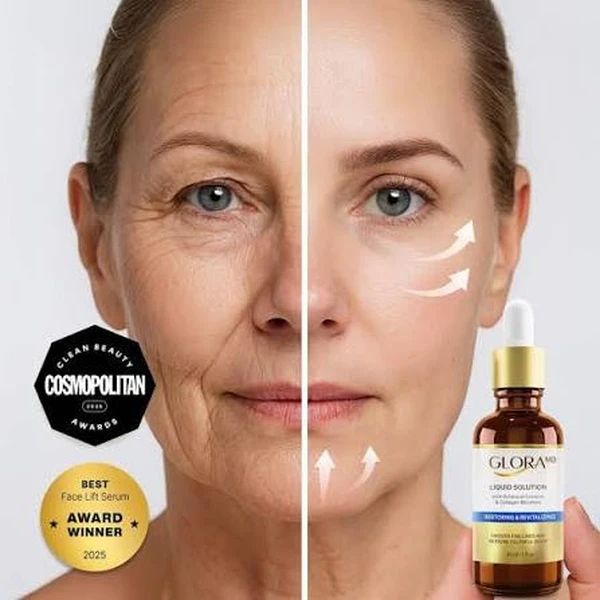
Serum vs Moisturiser vs Retinol: Which One Is Doing the Work
Three products in every anti-aging routine, and only one of them has decades of evidence for changing skin structure. What each layer is actually for.
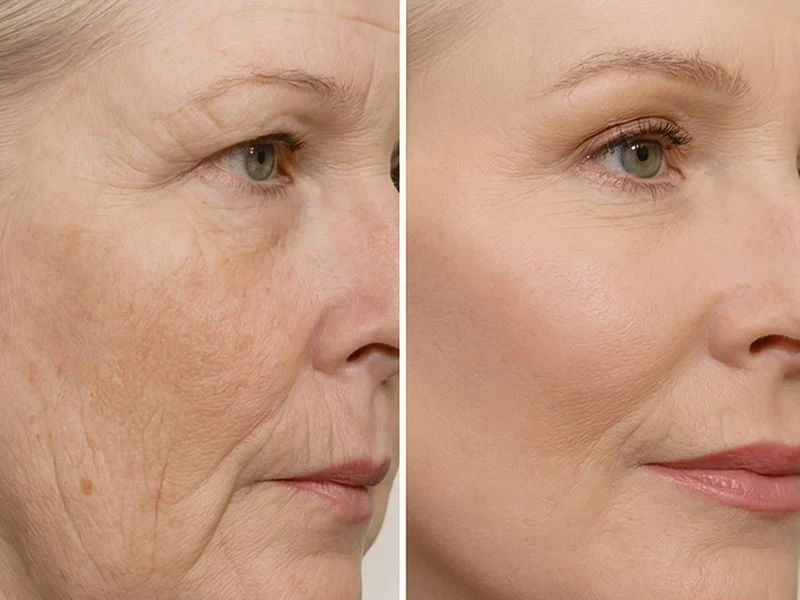
Anti-Aging Serum Buying Guide 2026: Ingredients That Work vs Marketing That Doesn't
Which anti-aging ingredients have real evidence, which claims are red flags, why 'proprietary' is a warning, and how to shop serums without overpaying for hype.
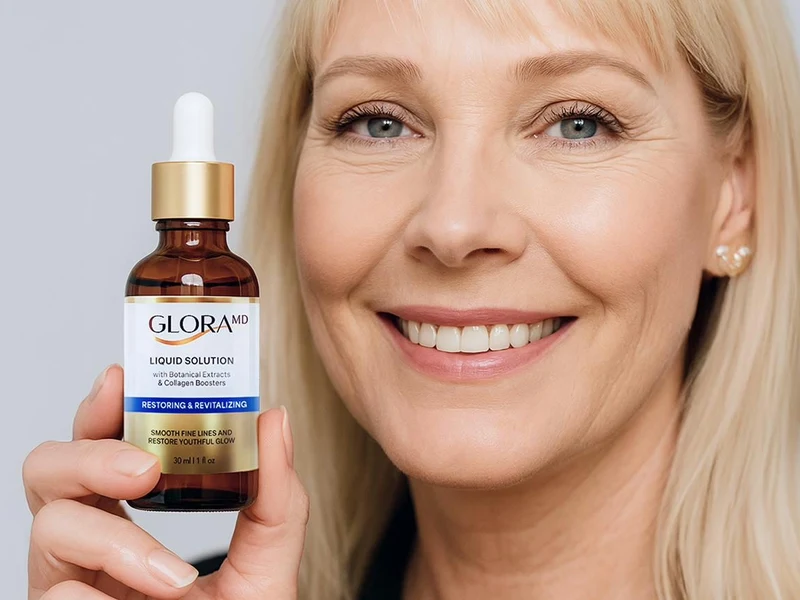
Do Anti-Aging Serums Actually Work? The Skin Science, Explained
How skin ages, what serums can genuinely change at the surface, what they can't reach, and why 'fills wrinkles in hours' claims outrun the biology.