Do Anti-Aging Serums Actually Work? The Skin Science, Explained
Anti-aging serums occupy a genuine middle ground — more than nothing, far less than the marketing. This explainer covers how skin actually ages, what a topical serum can and can't reach, why hydration temporarily softens lines while nothing topical 'fills' them the way an injectable does, and how to read the dramatic claims against the biology they quietly ignore.
Published · Facts checked against the official product page
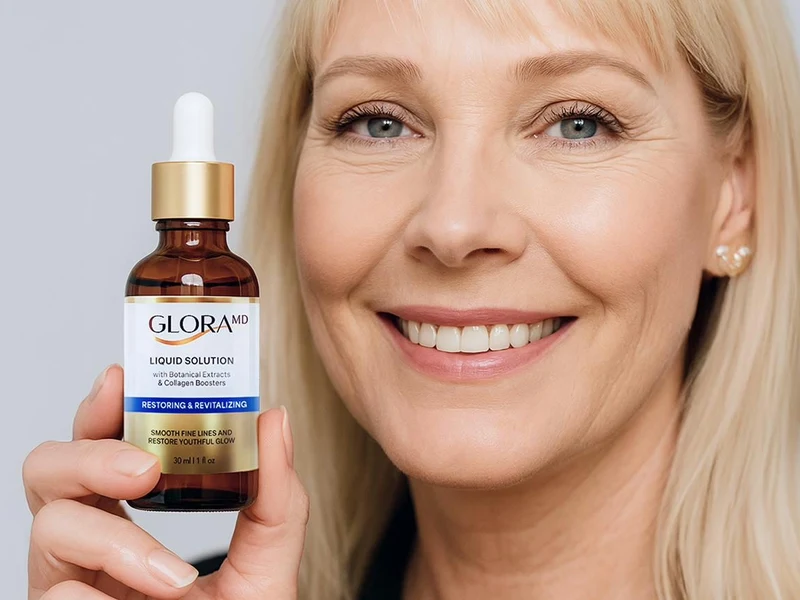
Key takeaways
- Skin aging happens across layers: surface dryness and texture (reachable by topicals), and deeper collagen and elastin loss plus fat and bone changes (largely not reachable by any serum). What a serum can change is set by which layer the aging lives in.
- Hydration is the honest hero effect: humectants like hyaluronic acid plump the upper skin with water, temporarily softening how fine lines look. Real, useful, and gone when the hydration fades — which is why consistency, not a single dramatic result, is the point.
- Some actives do more than hydrate — retinoids and certain peptides can support gradual change over weeks — but 'gradual' and 'weeks' are the operative words. Nothing topical restructures deep wrinkles in hours.
- 'Fills 99.7% of wrinkles in 15 hours' collides with the biology: a serum can temporarily reduce a wrinkle's appearance through surface hydration, but it cannot fill the deeper structural gap an injectable addresses. The claim confuses a surface effect with a structural one.
«Do anti-aging serums work?» is one of those questions where both the enthusiast and the cynic are partly right — and the truth sits in a genuine, if unglamorous, middle. Ten minutes on how skin actually ages explains exactly what a serum can change, what it can't touch, and why the most dramatic claims in the category quietly ignore the biology.
Aging happens in layers
Think of skin as layered, and aging as happening at different depths. At the surface: the skin gets drier, rougher, and its barrier weakens — visible as dullness and fine, shallow lines. Deeper down: the collagen and elastin that act as the skin's scaffolding gradually decline, so skin loses firmness and deeper wrinkles form. Deeper still, over decades, facial fat and even bone change, reshaping the face's contours. This layering is the master key to the whole category: a topical serum reaches the surface layer well, and the deep structural layers barely or not at all. What a serum can do for you is decided by which layer your concern lives in.
Hydration: the honest hero
The most reliable thing a serum does is hydrate. Humectants like hyaluronic acid pull water into the upper skin, plumping it slightly so fine lines look softer — the way a gently inflated surface shows its creases less. Ceramides help the barrier hold that moisture in. This is a real, visible, genuinely useful effect. It's also temporary: it lasts while the skin stays hydrated and fades as that fades. That single fact reframes the entire category — serums are a consistency habit, not a one-time transformation, and any «results in X hours» claim is describing this temporary surface effect, whether or not it admits it.
What can do more — slowly
Some actives reach past pure hydration. Retinoids have the strongest evidence for supporting cell turnover and, across months, softening fine lines. Certain well-characterized peptides may support the appearance of firmness. Consistent barrier care compounds over time. But the honest word across all of them is gradual — weeks to months, not hours — and the effect is support and improvement, not reconstruction. This is exactly why ingredient disclosure matters: a named peptide can be checked against evidence; a «proprietary complex» cannot, which is a point our buying guide treats as central.
Where the dramatic claims break
Now the biology reads the marketing. «Fills up to 99.7% of wrinkles in up to 15 hours» — a maker's claim we assess in our GloraMD review — collides with the layering above. A serum can temporarily reduce how a wrinkle looks by hydrating the surface around it. It cannot fill the deeper structural gap that an injectable filler addresses, because it doesn't reach that layer and isn't that kind of material. The claim's sleight of hand is treating a surface, optical, temporary effect as if it were a deep, structural, lasting one. Once you see the layers, you see the swap — and you can enjoy what a serum genuinely offers (healthier-looking, better-hydrated skin) without buying what it can't deliver.
Frequently asked questions
What actually causes skin to look older?
Several things at different depths. At the surface: dryness, rough texture and a weaker barrier — all reachable by good skincare. Deeper: gradual loss of collagen and elastin (the scaffolding that keeps skin firm), plus changes in facial fat and bone over decades. Serums work well on the surface layer and have limited-to-no reach into the deep structural changes — which is the whole key to reading their claims honestly.
How does hydration reduce wrinkles?
It's mostly optics, and it's temporary. Humectants like hyaluronic acid draw water into the upper skin, plumping it slightly so fine lines look softer and shallower — the way a slightly inflated surface shows creases less. It's a genuine, visible effect while the skin stays hydrated, and it fades as the hydration does. That's why serums are a consistency habit, not a one-time fix, and why 'results in 15 hours' describes a surface effect, not a permanent change.
Do any topical ingredients change skin long-term?
Some, gradually. Retinoids have the strongest evidence for supporting cell turnover and, over months, softening fine lines. Certain well-studied peptides and consistent barrier care can help skin look and behave better over time. The honest theme across all of them is slow and cumulative — the opposite of the overnight transformations aggressive advertorials promise.
Can a serum replace fillers or surgery?
No — they operate on different layers of the problem. Fillers and surgical procedures address deep structural volume and tissue; a serum works at the skin's surface. A serum can make skin look healthier, smoother and better-hydrated, which is worthwhile on its own terms. Marketing that frames a serum as a surgery or filler substitute is confusing a surface effect with a structural one, and that's the claim to distrust.
Related reading
More explainers →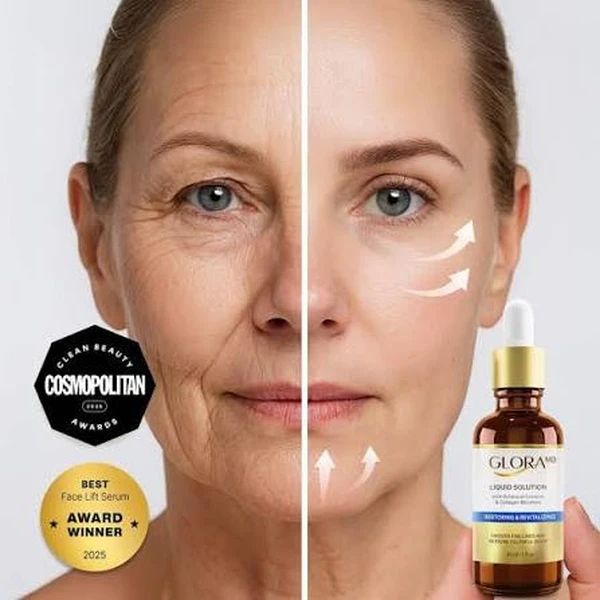
Serum vs Moisturiser vs Retinol: Which One Is Doing the Work
Three products in every anti-aging routine, and only one of them has decades of evidence for changing skin structure. What each layer is actually for.
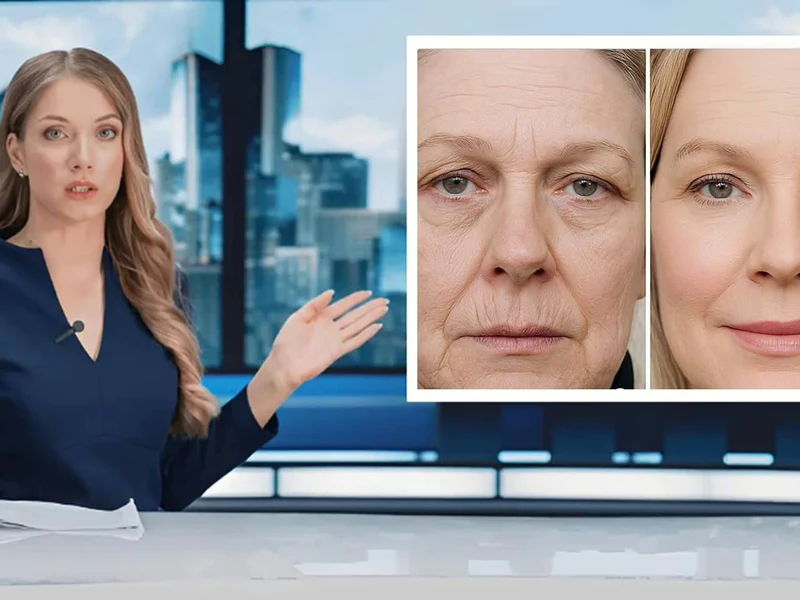
GloraMD Review: What an Anti-Aging Serum Can (and Can't) Actually Do
GloraMD is marketed with dramatic wrinkle claims. What the named ingredients realistically do, why the 'proprietary' gaps matter, and the guarantee facts.
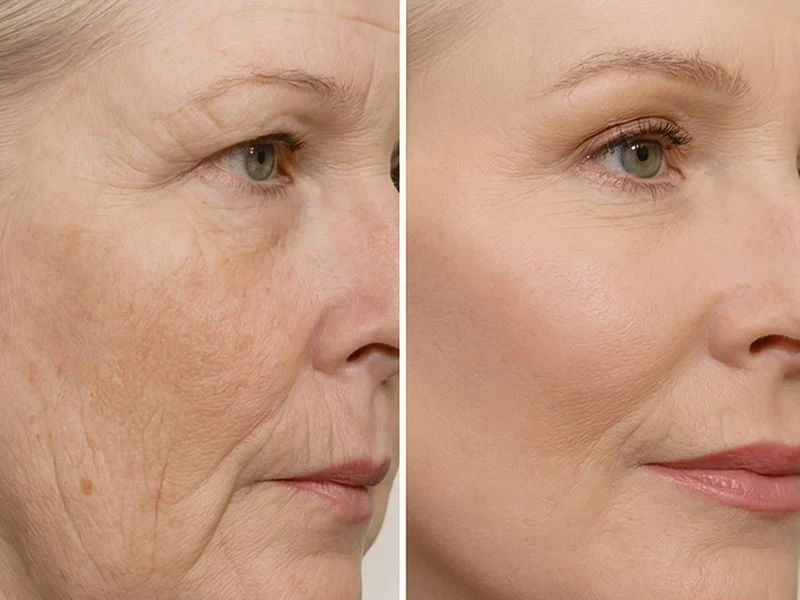
Anti-Aging Serum Buying Guide 2026: Ingredients That Work vs Marketing That Doesn't
Which anti-aging ingredients have real evidence, which claims are red flags, why 'proprietary' is a warning, and how to shop serums without overpaying for hype.