One Product, Five Storefronts, Five Prices — and No Label
The fastest-moving cleaning products of 2026 arrive in five languages simultaneously, from one asset pack, with the brand name swapped per storefront. The model is efficient and legal. It also produces two things worth noticing: the same product at very different prices in the same currency, and consumer-safety labelling that falls through the gaps.
Published · Facts checked against the official product page
Key takeaways
- Household cleaning products now launch across five markets at once, from a single creative package with the brand name swapped per storefront.
- The model produces price divergence inside the same currency: the current example sells at €12.99–€17.99 in Germany and France and €15.29–€25.59 in Spain.
- It also produces a labelling gap. A single global page template has no natural place for market-specific regulatory information — the EPA number, the BPR authorisation, the ingredient panel.
- Our rule for the category: read the label before the reviews, and if there is no label, treat the product as use-alone regardless of what it claims.
A cleaning product used to reach five countries slowly: a distributor, a retailer, a compliance review, a shelf. In 2026 it reaches them the same afternoon, through five storefronts built from one asset pack, with the brand name changed in the header.
The model is efficient, and mostly it's fine. Two of its by-products are worth noticing.
Same currency, different price
The clearest artefact is pricing. The example on our board right now sells the identical product at €12.99–€17.99 per sachet in Germany and France and €15.29–€25.59 in Spain. Same product, same euro, roughly 45% more in one market than the other.
Nothing forces those together. Each storefront is its own funnel with its own promotion, and there is no shelf where a Spanish buyer can see the German price. The practical takeaway is small and useful: before ordering from a multi-market storefront, open a neighbouring country's version of the same page. It takes thirty seconds.
The label falls through the gap
The second artefact matters more. A single global template has no natural home for market-specific regulatory information — and that is precisely the information that differs by market. An EPA registration number means something in the US and nothing in Spain. A Biocidal Products Regulation authorisation is the reverse.
So the template omits both, and the ingredient panel with them. For a gadget that's an inconvenience. For a chemical you pour into a small ventilated room it's the difference between knowing what you must not combine it with and guessing.
The tell that the brand is a layer
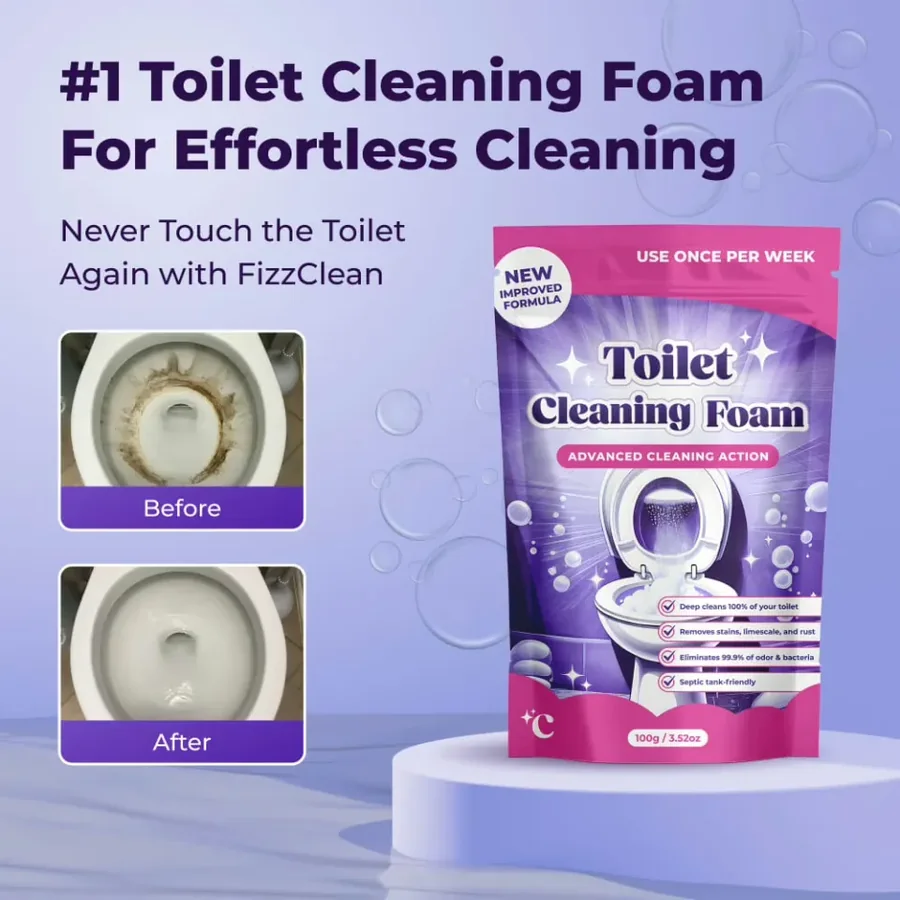
There's usually a seam. On the current example, the image files the storefront serves are named for a different brand than the one on the page — the creative pack was built once and the header was changed for each launch.
That isn't a scandal; it's how white label works. It is useful information, because it tells you the formula is a commodity rather than a proprietary development, and it recalibrates how much weight to give the origin story on the page.
How we're reading the category
Read the label before the reviews. If a cleaning product claims to kill bacteria, look for a registration number — that claim is regulated in every market this model sells into. If there is no ingredient list, treat the product as use-alone, in a ventilated room, never on the same day as anything else. And check the neighbouring market's price. The buying guide sorts the chemistries by which stain each one actually removes.
Frequently asked questions
Is selling the same product under different brands legal?
Generally yes — white-label and private-label retail is ordinary commerce, and most supermarket own-brands work exactly this way. What's newer is doing it across five direct-to-consumer storefronts at once, where the buyer has no shelf to compare against and no retailer standing behind the label.
Why do the prices differ so much between euro markets?
Because they're set per storefront rather than per product. Once each market is its own funnel with its own promotion, there is no mechanism pushing the prices together — nothing about the same currency forces the same number. It's worth checking a neighbouring country's version of the page before ordering.
What's the practical risk for a buyer?
Mostly the missing label. Household chemistry has real interactions, and regulatory information — an ingredient panel, a biocidal registration — is exactly the kind of market-specific detail a shared global template tends to omit. That's an inconvenience for a gadget and a genuine issue for something you pour into a confined space.
Related reading
More news & trends →
FizzClean Review: the Foam Works. The Missing Label Is the Problem.
An effervescent toilet foam sold in five markets from $15.29. The chemistry is ordinary and effective — but no storefront publishes what's in it.
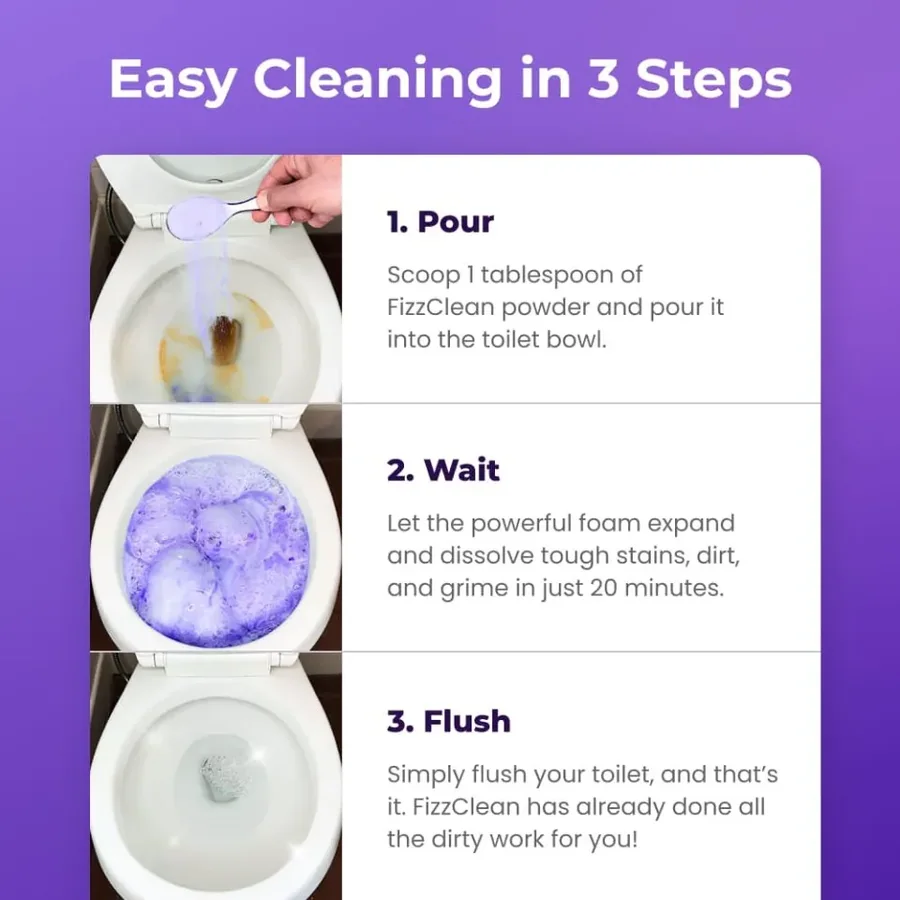
Toilet Cleaner Buying Guide 2026: Match the Chemistry to the Stain
Acid, oxidiser, enzyme or foam — four chemistries, four jobs. How to pick by the stain you actually have, and the combinations that are genuinely dangerous.
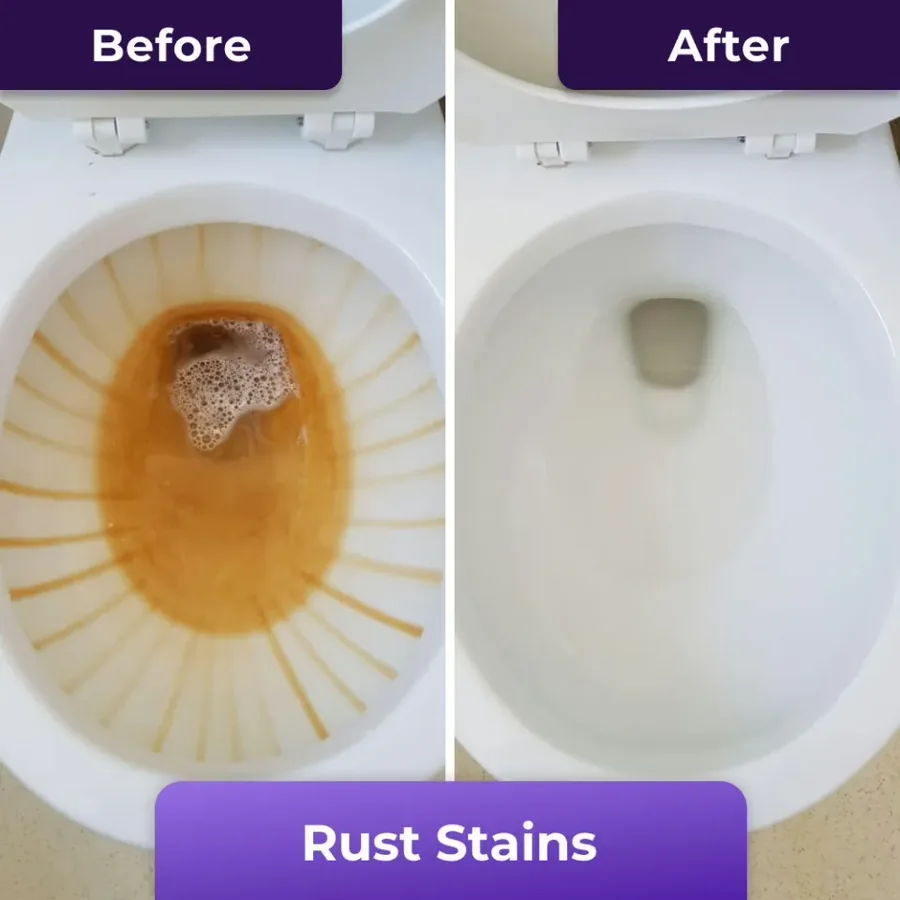
Why Fizzing Cleaners Fizz — and What the Bubbles Are Actually For
The bubbles aren't scrubbing. They're transport. How effervescence solves the real problem in toilet cleaning, and why the fizz says nothing about strength.