Toilet Cleaner Buying Guide 2026: Match the Chemistry to the Stain
Toilet cleaners look interchangeable and are not. Four different chemistries handle four different problems, one of them is useless against the stain most people are trying to remove, and two of them must never meet. This guide sorts them by stain, and sets out the label rules worth applying before anything goes in the bowl.
Published · Facts checked against the official product page
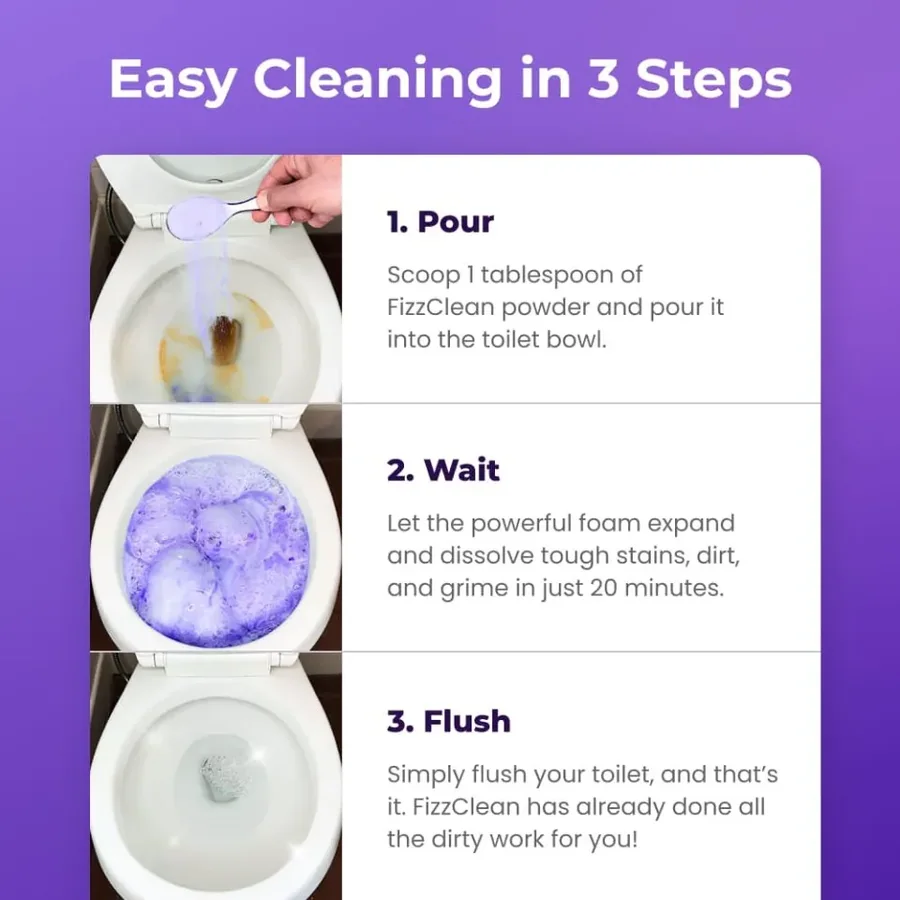
Key takeaways
- Match chemistry to stain: acid for limescale and rust, oxidiser or chlorine for organic staining and odour, enzymes for smell at the source, effervescent foam for coverage above the waterline.
- Bleach does very little to limescale, which is the stain most people are actually fighting. Reaching for it out of habit is the most common wasted effort in the category.
- Never mix an acid cleaner with a chlorine-based one. That combination releases chlorine gas, and it is the single genuine hazard in ordinary bathroom cleaning.
- A product that won't publish its ingredients can't be safely combined with anything, because you can't know which of the above it is. Treat unlabelled as use-alone.
The toilet cleaner aisle looks like variations on one idea. It isn't. There are four distinct chemistries down there, they solve different problems, and the most common mistake in bathroom cleaning is using the wrong one repeatedly and concluding that nothing works.
The four chemistries, and the stain each one owns
Acid — dissolves mineral deposits. This is the one for limescale, hard-water rings and rust. If your stain is a hard ring at the waterline that returns no matter how much bleach you use, it is scale and acid is the answer.
Oxidiser or chlorine — destroys organic matter and colour. Handles staining, biofilm and odour. Does essentially nothing to limescale, which is why it disappoints so many people.
Enzymes — digest the organic residue that generates smell. Slow, gentle, and the right pick for a toilet that looks fine and smells wrong.
Effervescent foam — not a chemistry so much as a delivery method. Gas carries the cleaner up the bowl walls and holds it above the waterline. The active ingredient underneath is still one of the three above, which is exactly why the label matters.
The one genuine hazard
Acid and chlorine must never meet. Combined, they release chlorine gas — the most common serious accident in domestic cleaning, and one that happens most often when someone uses a limescale remover and a bleach product in the same bowl within a few minutes.
This is the whole reason a published ingredient list is not a nice-to-have in this category. If you don't know which of the four you're holding, you cannot know what it must not follow. Our FizzClean review works through a current product where none of the five storefronts publishes one.
Reading a label that exists
Three things are worth finding before anything goes in the bowl. The active ingredient, which tells you the category. A biocidal registration — an EPA number in the US, a BPR authorisation in the EU — if the product claims to kill bacteria, because that claim is regulated and a number should exist. And the contact time, which is the difference between a product that works and one that gets flushed too early.
Auf Deutsch: es gibt eine deutsche Fassung dieses Kaufberaters — WC-Reiniger Kaufberater, mit der EU-Biozidverordnung statt der US-Regeln.
How to actually use any of them
Empty the bowl of standing water where you can, so the cleaner isn't diluted to nothing on contact. Apply above the target, so gravity works for you. Leave it for the stated time and don't improvise a shorter one. Ventilate. And use one product per session — there is no ordinary cleaning task that needs two, and combining them is where the risk lives.
For maintenance rather than rescue, a weekly foam is the low-effort choice; for a ring that has been there for years, an acid product and two or three attempts will do more than any single application of anything. The mechanics of why the foam format exists at all are in how effervescent cleaners work.
Frequently asked questions
Why doesn't bleach remove my limescale?
Because they're different problems. Bleach is an oxidiser: it destroys organic material and colour, which is why it handles staining and smell. Limescale is mineral — calcium and magnesium deposited out of hard water — and oxidising it does nothing. Scale needs acid, which dissolves it. If your ring keeps coming back after bleach, that ring is scale.
What's the point of a foaming cleaner?
Coverage. The parts of a toilet that get dirty are the parts liquid runs off — under the rim and above the waterline. An effervescent or foaming product carries cleaner upward and holds it there long enough to act. It's not a stronger chemistry; it's the same chemistry staying where you need it.
Are enzyme cleaners worth it?
For smell rather than appearance. Enzymes digest the organic residue that produces odour, which is why they work on a toilet that looks clean and doesn't smell it. They're slow and they don't touch scale, so they're a complement rather than a replacement.
What can I safely mix?
Nothing, as a rule. There's no everyday cleaning task that requires combining two toilet products, and two of the four categories are dangerous together. One product, ventilated room, flush between anything. If a product doesn't tell you what it is, that rule is not optional.
Related reading
More buying guides →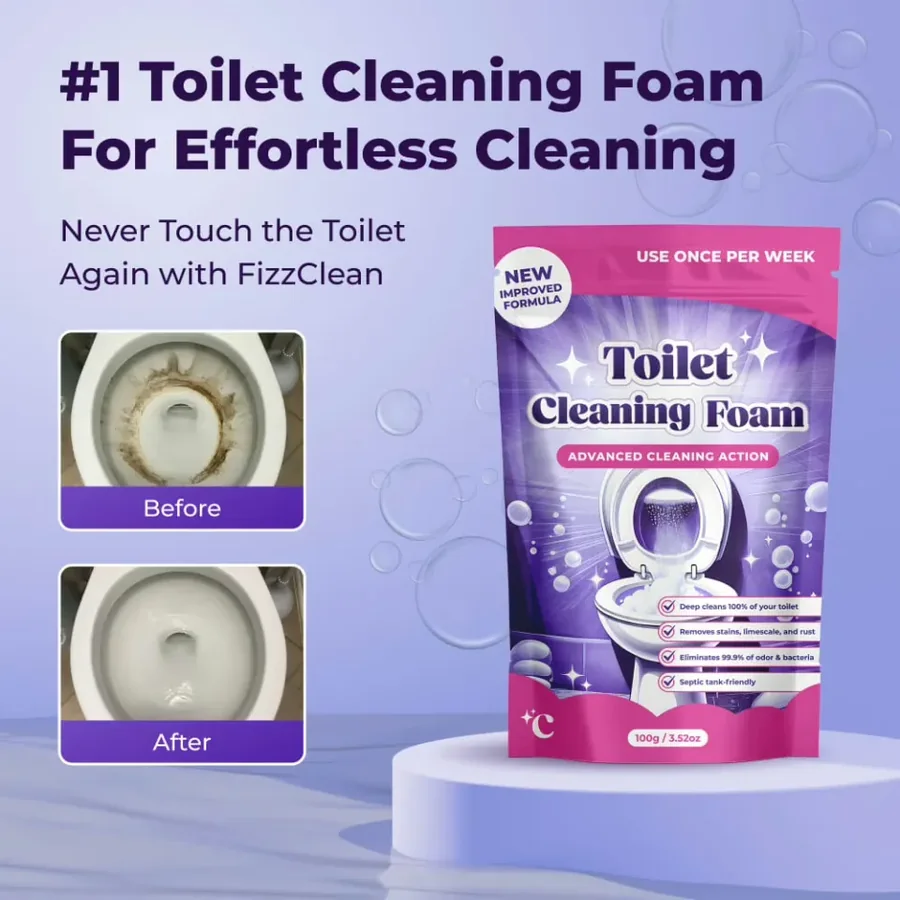
FizzClean Review: the Foam Works. The Missing Label Is the Problem.
An effervescent toilet foam sold in five markets from $15.29. The chemistry is ordinary and effective — but no storefront publishes what's in it.
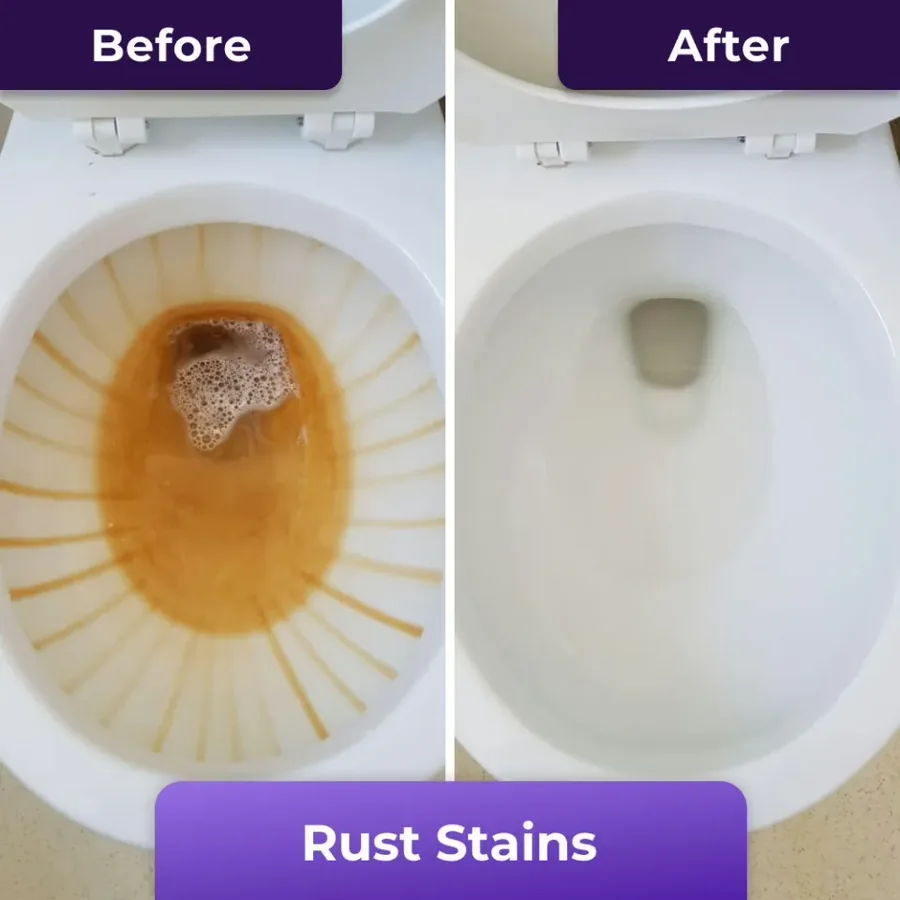
Why Fizzing Cleaners Fizz — and What the Bubbles Are Actually For
The bubbles aren't scrubbing. They're transport. How effervescence solves the real problem in toilet cleaning, and why the fizz says nothing about strength.
One Product, Five Storefronts, Five Prices — and No Label
Cleaning products are now launched across five markets at once from one creative package. What that model does to pricing, to labelling, and to the buyer.