DIY Car Care Is Surging in 2026 — and the Scratch Cloth Leads the Wave
Bodyshop quotes reading like rent, aging cars kept longer, and a satisfying before/after format built for social feeds — DIY car care is 2026's quiet automotive surge in US e-commerce, and the scratch remover cloth leads it, with NanoPolix topping our board. Here's the market read and the house rules for buying into a category where one honest test decides everything.
Published · Facts checked against the official product page
Key takeaways
- DIY car care is 2026's quiet automotive surge in US e-commerce, led by the scratch remover cloth — NanoPolix tops our board — as bodyshop pricing pushes owners toward first-attempt fixes.
- Three forces drive it: repair inflation ($280–$450 respray quotes make a sub-$40 trial rational), the aging US car fleet (owners keeping cars longer invest in appearance), and a before/after format tailor-made for social commerce.
- The category's honest split travels with the wave: polishing chemistry genuinely fixes clear-coat damage and genuinely cannot fix deep scratches — the fingernail test sorts every buyer into the right expectation.
- House rules: diagnose before buying, read '100% of all scratches' as 'clear-coat level', treat page ratings as self-published, and buy behind a real 30-day money-back window.
The loud corners of 2026 e-commerce belong to cooling and energy gadgets — but the steady climber on our US automotive board is a yellow cloth in a small box. DIY car care is surging, the scratch remover cloth is its spearhead, and NanoPolix currently tops the category. The forces behind the wave are structural, and so is the one honest caveat that travels with it.
The forces behind the wave
Repair inflation. Bodyshop pricing has crossed a psychological line: $280–$450 quotes for a single panel's respray — the figures the category's own sales pages cite, and directionally real — make a sub-$40 reusable product with a returns window a rational first attempt for almost any visible scratch. The DIY wave isn't vanity; it's arithmetic.
The aging fleet. Americans are keeping cars longer than ever, and an owner planning five more years with a vehicle invests in its appearance the way a seller never would. Appearance-preservation products ride that shift directly.
The format. A scratch vanishing under a cloth in a fifteen-second clip is social commerce's perfect content: visual, satisfying, instantly comprehensible. The category didn't need to invent demand — it needed a format feeds would amplify, and before/after is that format.
The caveat that travels with it
Our standing calibration rides along: polishing chemistry genuinely fixes clear-coat damage and genuinely cannot fix deep scratches — both halves are physics, and the category's mixed reviews are just buyers on opposite sides of that line. The ten-second fingernail test (glides = buy the cloth; catches = touch-up paint or bodyshop) sorts every buyer into the right expectation before a cent is spent. The paint science lives in our scratch cloth explainer; the tier-by-tier map is in the buying guide.
The house rules for buying in
Diagnose before you shop — the fingernail decides your aisle. Read «100% removes all scratches» as «clear-coat level», because that's what the chemistry licenses. Treat the 4.7-from-1000+-reviews figures as what they are — page-published. Let the 65%-off countdown expire once to learn it rotates. And buy behind a real 30-day money-back guarantee — the term the category leader declares, and the one that turns the purchase into a test on your own car. The claims-versus-chemistry audit of the leader is in our NanoPolix review; the live board tracks whether the DIY wave holds through the year.
Frequently asked questions
Why is DIY car care trending in 2026?
Repair-cost inflation is the engine: with respray quotes commonly running $280–$450 per panel, a sub-$40 reusable product with a returns window is a rational first attempt for millions of owners. Add the aging US car fleet — owners keeping vehicles longer and investing in their appearance — and a before/after content format built for social feeds, and the category compounds.
Which product leads the DIY scratch wave?
NanoPolix leads our US automotive board: a reusable nano-polishing cloth targeting clear-coat damage (scuffs, swirls, water spots, light side-swipes), with a 30-day money-back guarantee declared on the official page — the offer structure that lets buyers run the honest test on their own car.
What should buyers know before joining the trend?
One test decides everything: run a fingernail across the scratch. Glides over — clear-coat damage, and polishing cloths are a rational buy. Catches — the damage is below any cloth's reach, and the honest aisle is touch-up paint or a bodyshop. Everything else on the sales pages — ratings, discounts, media logos — is furniture around that single fact.
Related reading
More news & trends →
Scratch Cloth vs Machine Polisher vs Body Shop: Match the Fix to the Depth
One fingernail test decides which of the three you need. Get it wrong and you either waste money or remove clear coat you can't put back.
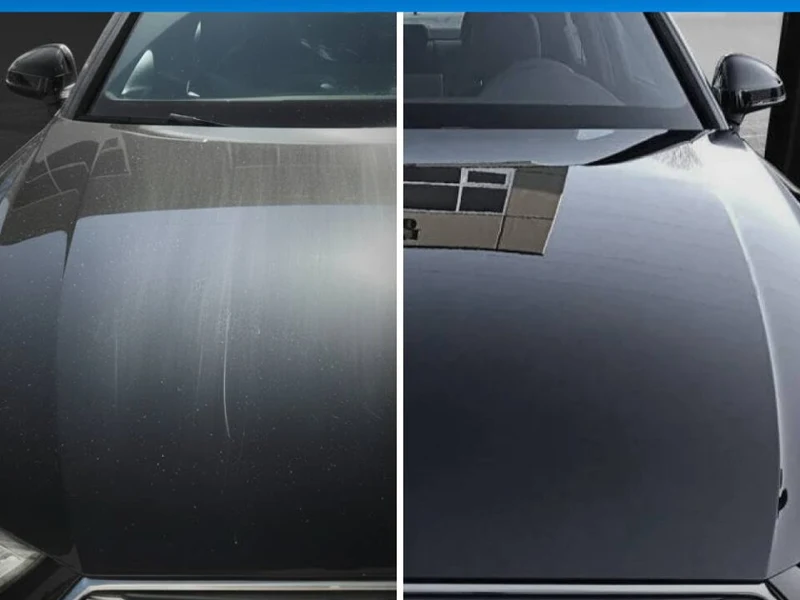
NanoPolix Review: Can a Cloth Really Erase Car Scratches in 60 Seconds?
NanoPolix promises scratch removal with one reusable cloth. The clear-coat truth, the fingernail test, what it honestly fixes, and the 30-day safety net.
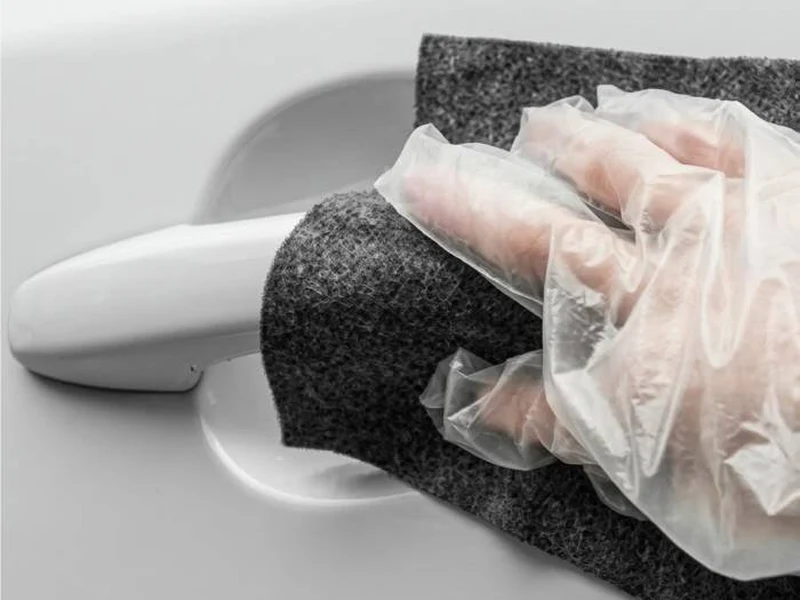
Car Scratch Remover Buying Guide 2026: Cloths, Compounds and the Honest Fix
Cloths, compounds, pens, touch-up paint — which scratch fix matches which damage, the fingernail test, red flags, and when the bodyshop is the answer.