Carbon Monoxide Poisoning Symptoms: What You Need to Know

Carbon monoxide poisoning symptoms include headache, dizziness, and nausea. Learn the warning signs, causes, and how to protect your family fast.
Carbon monoxide poisoning symptoms most often begin with a dull headache, dizziness, weakness, nausea, shortness of breath, and confusion — signs frequently mistaken for the flu. Because carbon monoxide (CO) is colorless, odorless, and tasteless, recognizing these symptoms early can be the difference between a scare and a fatality.
Key Takeaways
- Early symptoms mimic the flu: headache, dizziness, nausea, and fatigue — but without a fever.
- CO is undetectable by human senses, so symptoms may be the first warning without a carbon monoxide detector.
- Symptoms that improve when you leave the house and return when you re-enter strongly suggest CO exposure.
- High-level exposure causes loss of consciousness, seizures, and death within minutes.
- An early warning alert system plugged into your wall is the only reliable way to catch a leak before symptoms appear.
What Is Carbon Monoxide Poisoning?
The key takeaway: Carbon monoxide poisoning happens when CO gas builds up in your bloodstream and displaces the oxygen your cells need to survive.
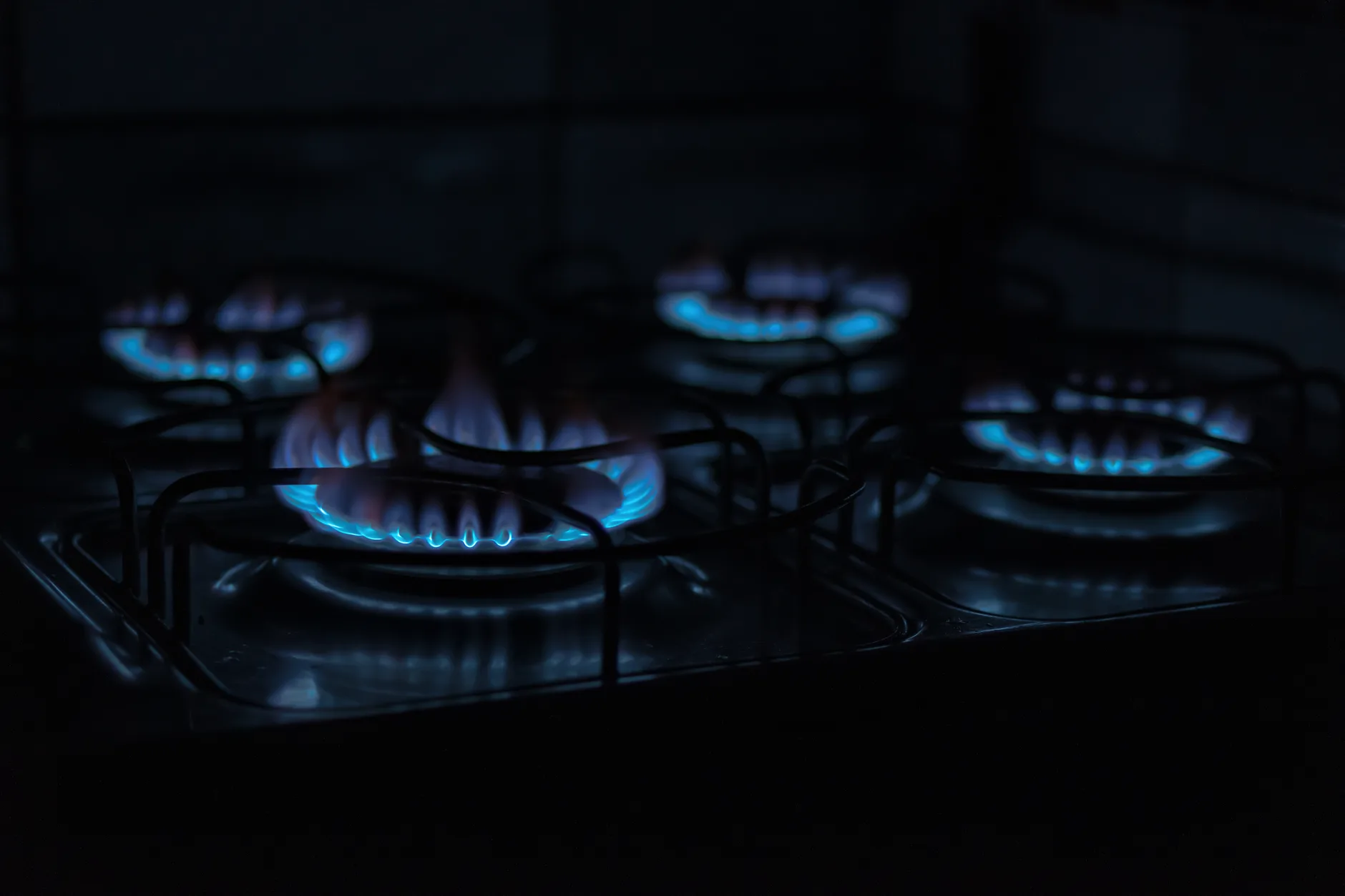
Carbon monoxide is produced whenever fuel is burned — from furnaces, gas stoves, water heaters, fireplaces, and vehicle engines. When you breathe it in, CO binds to hemoglobin in your red blood cells far more aggressively than oxygen does.
This bond forms carboxyhemoglobin, which starves organs and tissues of oxygen. The brain and heart, which demand the most oxygen, suffer damage first.
According to the U.S. Centers for Disease Control and Prevention (2024), more than 400 Americans die each year from unintentional CO poisoning not linked to fires, and over 100,000 visit emergency rooms.
Early Carbon Monoxide Poisoning Symptoms

The key takeaway: Early carbon monoxide poisoning symptoms are subtle and non-specific, which is exactly why they are so dangerous.
At low-to-moderate exposure levels, the body reacts as if it has a mild illness. The most common early signs include:
- Dull, throbbing headache (often the first symptom)
- Dizziness and lightheadedness
- Nausea or vomiting
- Fatigue and general weakness
- Shortness of breath on mild exertion
- Blurred vision
- Confusion or difficulty concentrating
A distinguishing clue: unlike the flu, CO poisoning produces no fever. If everyone in the home feels ill at the same time — including pets — CO exposure should be suspected immediately.
Severe and Advanced Symptoms

The key takeaway: As CO levels rise or exposure continues, symptoms escalate to life-threatening neurological and cardiac emergencies.
Prolonged or high-concentration exposure overwhelms the body’s ability to compensate. Advanced carbon monoxide poisoning symptoms include:
- Severe confusion and disorientation
- Loss of muscle coordination (ataxia)
- Chest pain and irregular heartbeat
- Seizures
- Loss of consciousness
- Cherry-red discoloration of skin or lips (a late, unreliable sign)
“Carbon monoxide is called the ‘silent killer’ because it is impossible to see, taste, or smell the toxic fumes.”
— U.S. Consumer Product Safety Commission (CPSC)
At very high concentrations, unconsciousness and death can occur in minutes, before a person even realizes they are being poisoned.
Carbon Monoxide Exposure Levels and Symptoms
The key takeaway: CO concentration, measured in parts per million (ppm), directly determines how quickly and severely symptoms appear.
| CO Concentration (ppm) | Typical Effects and Symptoms |
|---|---|
| 0–9 ppm | Normal background level; no symptoms |
| 35 ppm | Headache and dizziness after 6–8 hours of exposure |
| 100 ppm | Slight headache within 2–3 hours |
| 200 ppm | Headache, fatigue, nausea within 2–3 hours |
| 400 ppm | Severe headache within 1–2 hours; life-threatening after 3 hours |
| 800 ppm | Dizziness, convulsions; unconsciousness within 2 hours; death within 2–3 hours |
| 1,600+ ppm | Headache, nausea within 20 minutes; death within 1 hour |
These thresholds, referenced from the Occupational Safety and Health Administration (OSHA), explain why an early warning alert system should trigger long before symptoms begin.
Who Is Most at Risk?
The key takeaway: Everyone is vulnerable to CO, but certain groups experience symptoms faster and more severely.
The highest-risk groups include:
- Unborn babies — fetal blood cells absorb CO more readily than adult cells
- Infants and young children — higher breathing rate relative to body size
- Older adults — more likely to suffer permanent brain damage
- People with heart or respiratory conditions — reduced oxygen reserve
What to Do If You Suspect CO Poisoning
The key takeaway: If you suspect exposure, get everyone to fresh air immediately and call emergency services — do not investigate the source yourself.
- Move all people and pets outdoors to fresh air right away.
- Call 911 (or your local emergency number) from outside the building.
- Do not re-enter until emergency responders confirm it is safe.
- Seek medical attention even if symptoms improve — CO can cause delayed neurological effects.
Health disclaimer: This article is for educational purposes and is not medical advice. Carbon monoxide poisoning is a medical emergency. If you suspect exposure, contact emergency services immediately.
How to Prevent Carbon Monoxide Poisoning
The key takeaway: Prevention combines proper appliance maintenance with a reliable detector, because symptoms alone are an unreliable warning.
Practical prevention steps include:
- Have furnaces, water heaters, and gas appliances inspected annually by a professional.
- Never run a car, generator, or grill in an enclosed space like a garage.
- Keep chimneys and vents clear of blockages.
- Install a carbon monoxide detector on every level of your home, especially near sleeping areas.
In our analysis of home safety devices, we’ve found that combination units capable of detecting carbon monoxide, natural gas, and propane from a single wall outlet close the most common coverage gaps. A plug-in detector for the wall removes the maintenance burden of frequently replacing batteries — a leading reason detectors fail.
The CarbonOne Safe detector is one example of this multi-gas category, built as an early warning alert system for residential safety against gas leaks. Because it plugs directly into an electrical outlet, it stays powered continuously and provides family protection against toxic gases around the clock.
Conclusion
In summary: Carbon monoxide poisoning symptoms — headache, dizziness, nausea, confusion, and fatigue without fever — are your body’s last-resort warning, not its first. Because CO cannot be seen, smelled, or tasted, waiting for symptoms means the gas is already in your bloodstream.
The safest strategy pairs annual appliance maintenance with a working alarm for monoxide that alerts you before any symptom appears. Recognizing the signs matters, but preventing exposure entirely is what saves lives.
Frequently Asked Questions
What are the first signs of carbon monoxide poisoning?
The first signs are usually a dull headache, dizziness, nausea, weakness, and shortness of breath. These symptoms resemble the flu but occur without a fever, and they often improve when you leave the building and return when you re-enter.
How long does it take to get carbon monoxide poisoning?
It depends on the CO concentration. At 400 ppm, severe symptoms appear within 1–2 hours and exposure can be life-threatening after 3 hours, while concentrations above 1,600 ppm can cause death within an hour.
Can you have carbon monoxide poisoning and not know it?
Yes. Because carbon monoxide is colorless, odorless, and tasteless, and its early symptoms mimic common illnesses, many people do not realize they are being poisoned. This is why a carbon monoxide detector is the only dependable way to catch a leak.
Does the flu feel like carbon monoxide poisoning?
They share symptoms like headache, fatigue, and nausea, but there are key differences. CO poisoning does not cause fever or body aches, and symptoms often affect multiple people in the same home simultaneously, including pets.
Where should a carbon monoxide detector be placed?
Install a detector on every level of the home and near sleeping areas so an alarm can wake you. A plug-in detector for the wall that also senses natural gas and propane offers broader protection with continuous power.
Understanding carbon monoxide poisoning symptoms is important, but the goal is to never experience them at all. Since CO gives no sensory warning, a continuous, always-powered detector is the logical next step for anyone who wants real peace of mind at home.
The CarbonOne Safe plug-in detector monitors carbon monoxide, natural gas, and propane together, giving your household an early warning long before symptoms begin. It’s a straightforward way to turn what you’ve learned here into lasting family protection.